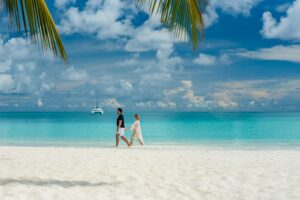
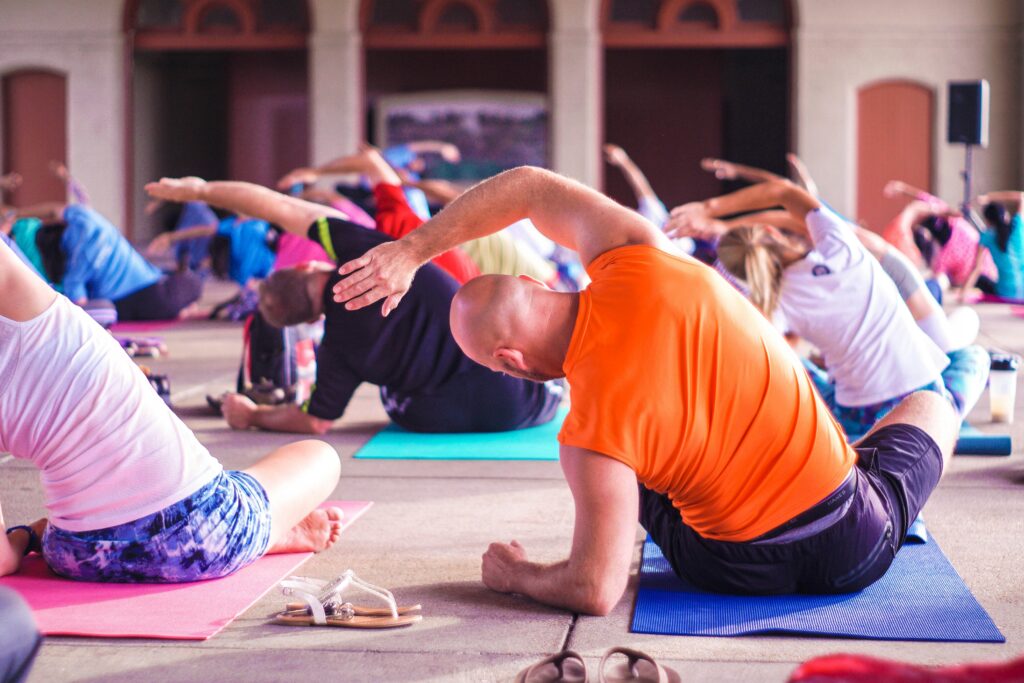
I want to be clear about what I mean when I say yoga, because the word carries associations that are not what I am describing. I am not describing the Instagram version of yoga, the specific aesthetic of flexible people in expensive clothing on beaches at sunrise.
I am describing a physical practice that I started because a physiotherapist and a sports coach independently gave me the same recommendation, and because the knee injury that stopped me in my tracks this spring made it clear that the body I have been running on for fifty-plus years requires more deliberate maintenance than the padel and the cycling and the daily walks had been providing on their own.
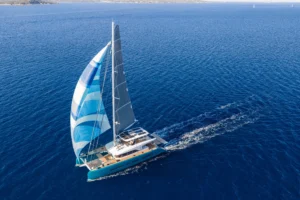
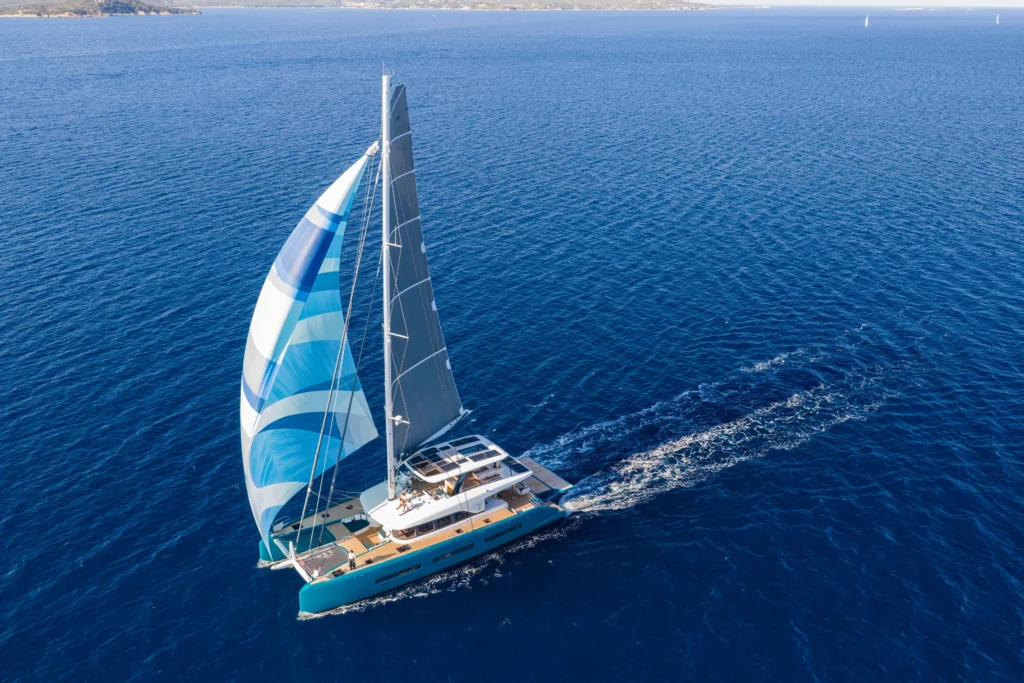
I started yoga as preparation for offshore sailing. Specifically as preparation for five years of offshore sailing on a 24-metre catamaran that will be in continuous motion for a significant fraction of those years. The body that a five-year circumnavigation requires is not the body of an athlete in the competitive sense. It is the body of someone who can function well under continuous low-level physical demand across a very long duration, in conditions that are sometimes uncomfortable and occasionally demanding, without accumulating the injury and fatigue debt that makes the demand unmanageable.
Balance on a Moving Surface
The most specific physical demand of offshore sailing is balance on a surface that is continuously moving in multiple axes simultaneously. The boat heels on the sail plan. It pitches in the swell. It rolls in the beam sea. The person walking from the cockpit to the bow on a passage is doing so on a surface that is doing three different things at once, none of which are the thing they would be doing if the surface were stationary.
The body adapts to this, always, given enough time at sea. The question is how quickly and at what cost to the joints and the muscles that absorb the adaptation.
Yoga builds the specific proprioceptive awareness and the ankle, hip, and core stability that makes this adaptation faster and less costly. The balance poses, the single-leg standing sequences, the transitions between postures that require the body to find stability in motion rather than in stillness: all of these build exactly the physical qualities that the offshore life demands from the moment the lines come off the dock.
The person who has been doing yoga for a year before their first offshore passage adapts to the boat’s motion faster and with less physical discomfort than the person who has not. This is not a claim about the spiritual benefits of yoga. It is a biomechanical observation about what the practice builds and what the offshore context requires.
The Breathing
Yoga’s emphasis on breath as a primary tool is the element that most directly transfers to the offshore context. The breath in difficult conditions at sea is the difference between a body that is managing the situation and a body that is being managed by it.
The specific breathing techniques that yoga teaches, the deliberate extension of the exhale, the use of nasal breathing to regulate the nervous system response, the awareness of breath as a real-time indicator of the body’s stress state, are exactly the tools that the night watch in building conditions requires. Not to be calm in the sense of being unaffected. To be functional in the sense of being able to make good decisions under conditions that the untrained nervous system responds to with a quality of arousal that reduces rather than improves decision quality.
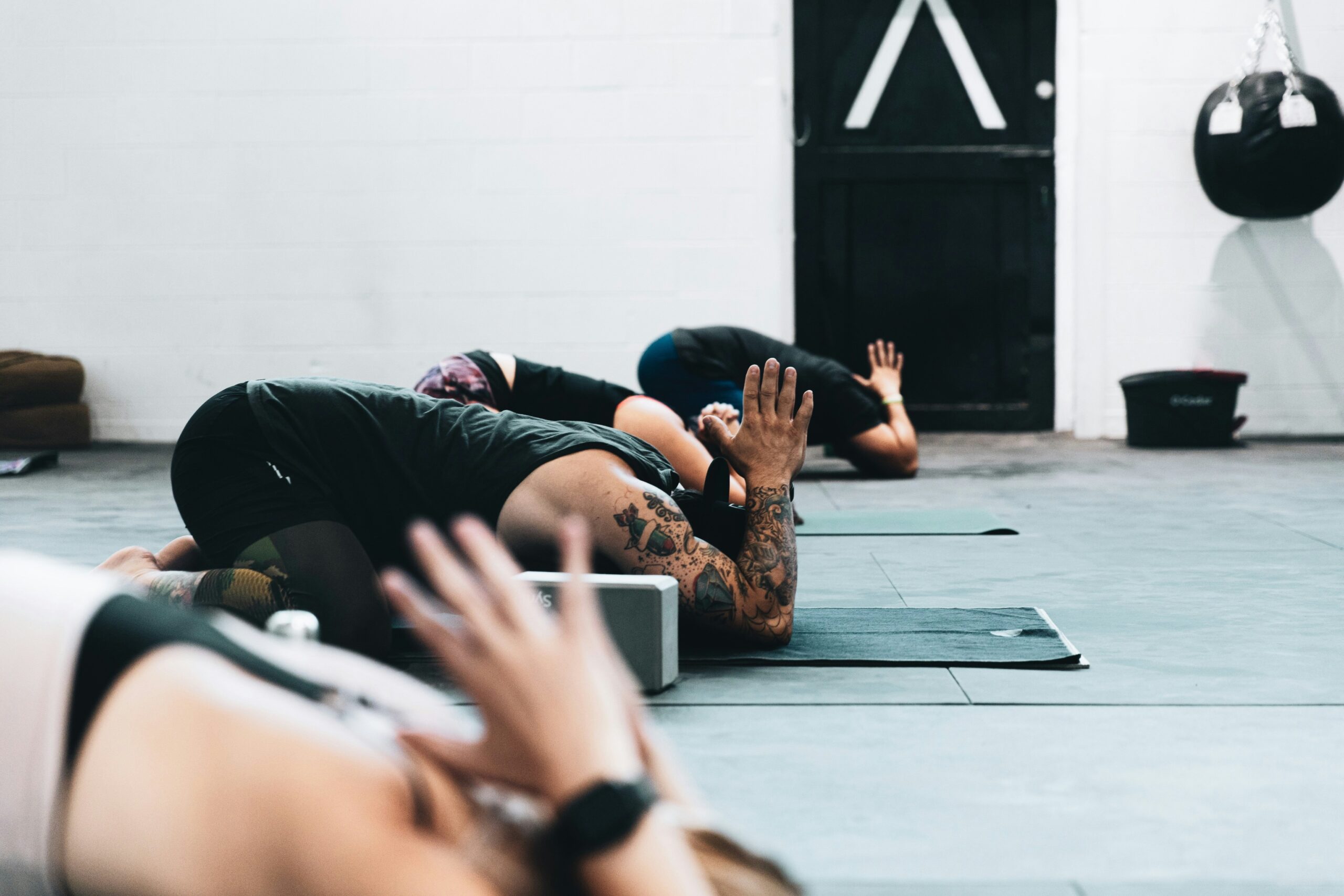
I have been doing yoga three times a week since February. The knee injury interrupted the standing practice for several weeks and the sessions moved to what was possible from the floor. The floor sessions produced something unexpected: the specific quality of attention to the breath that the standing practice does not produce as directly, because the floor removes the balance challenge and leaves the breath as the only thing to work with. The injury that took away the padel and the cycling gave me four weeks of undivided attention to the breath. I did not plan this. The body produced it. I am not ungrateful.