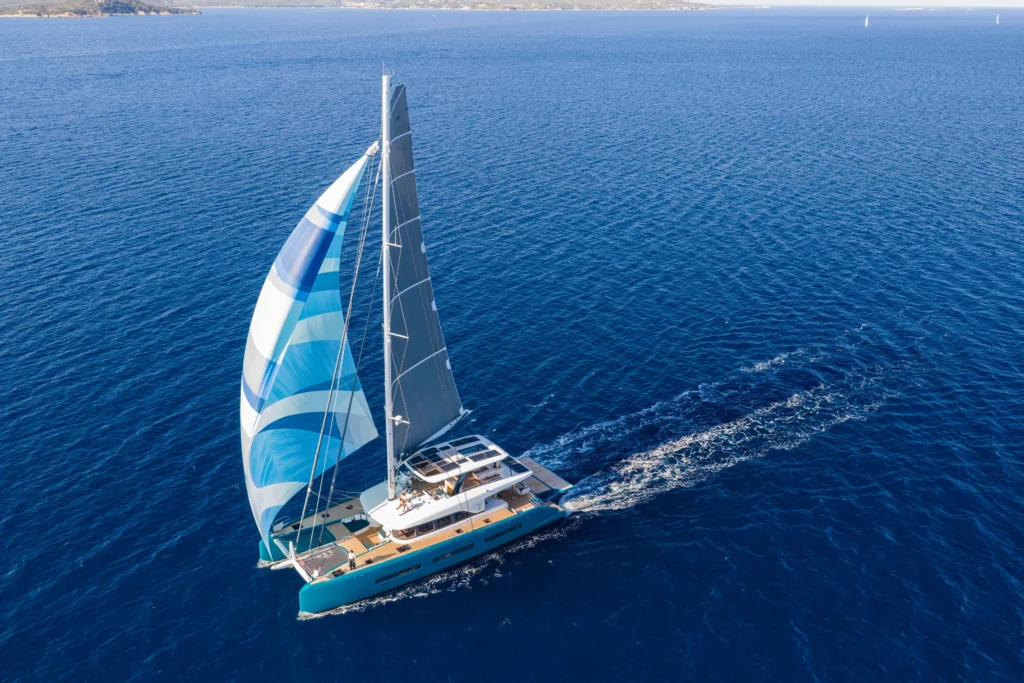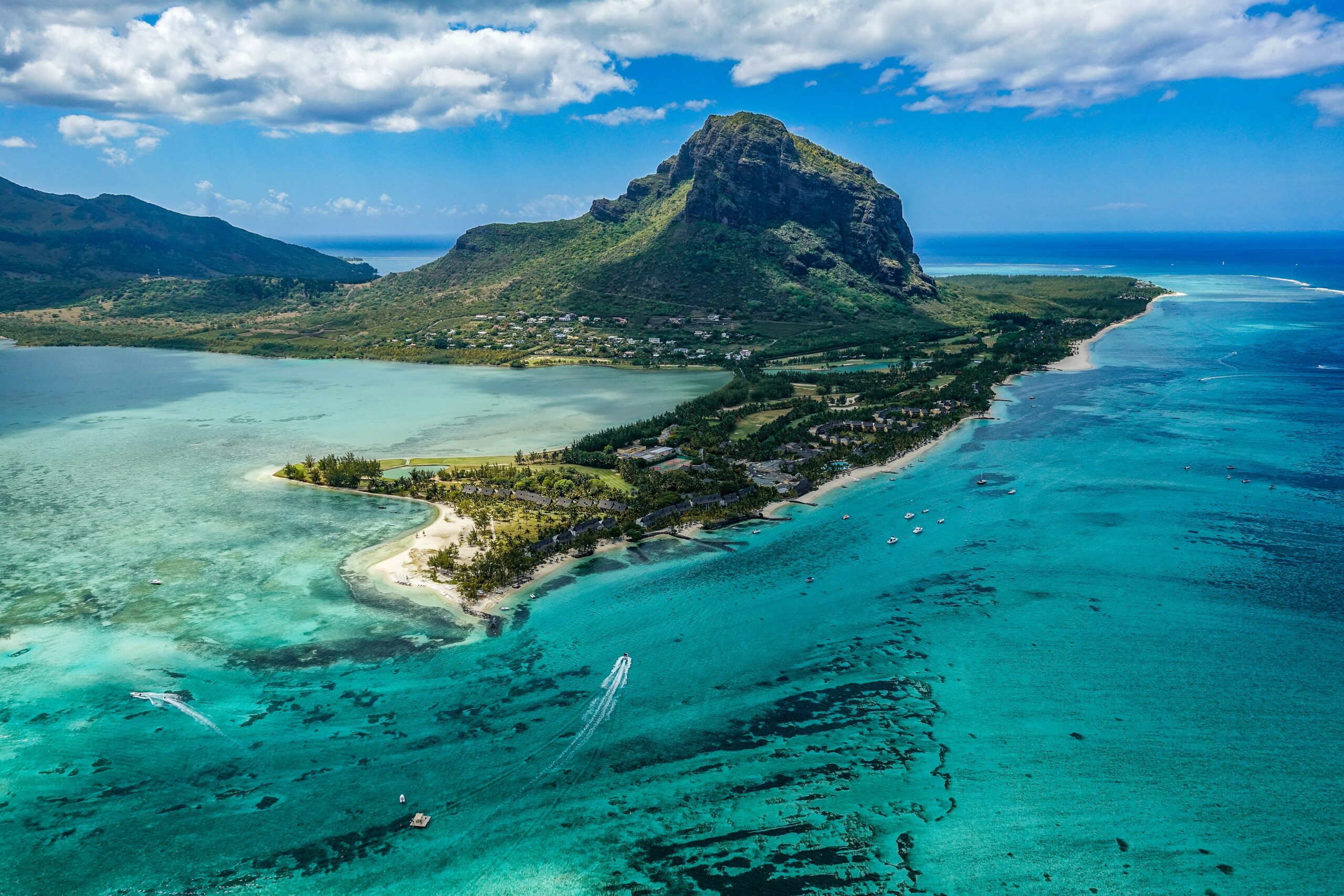
The Naora circumnavigation covers more than 45,000 nautical miles over five years. That works out to an average of 9,000 miles per year, or 25 miles per day, every day, including port time and layovers and the weeks in the Mediterranean when the boat moves between anchorages in the same bay.
These numbers are not impressive. A racing yacht covers more distance in a week. A commercial vessel covers more in a day. The Naora route is not designed for distance. It is designed for depth. And those two things, in practice, turn out to be incompatible with each other if you try to achieve both simultaneously.
This is a piece about why we move slowly, what slowness makes possible, and why efficiency has never been a measure of anything we care about on this journey.
What Rushing Costs
The most common complaint from people who have done a sailing circumnavigation on a tight schedule is that they felt they were always leaving somewhere worth staying. Three days in the Marquesas because the schedule required being in Tahiti for a weather window. Two days in Fiji because the visa ran out. One night in the outer Lau archipelago because there were four more stops to make before the haul-out in Vanuatu.
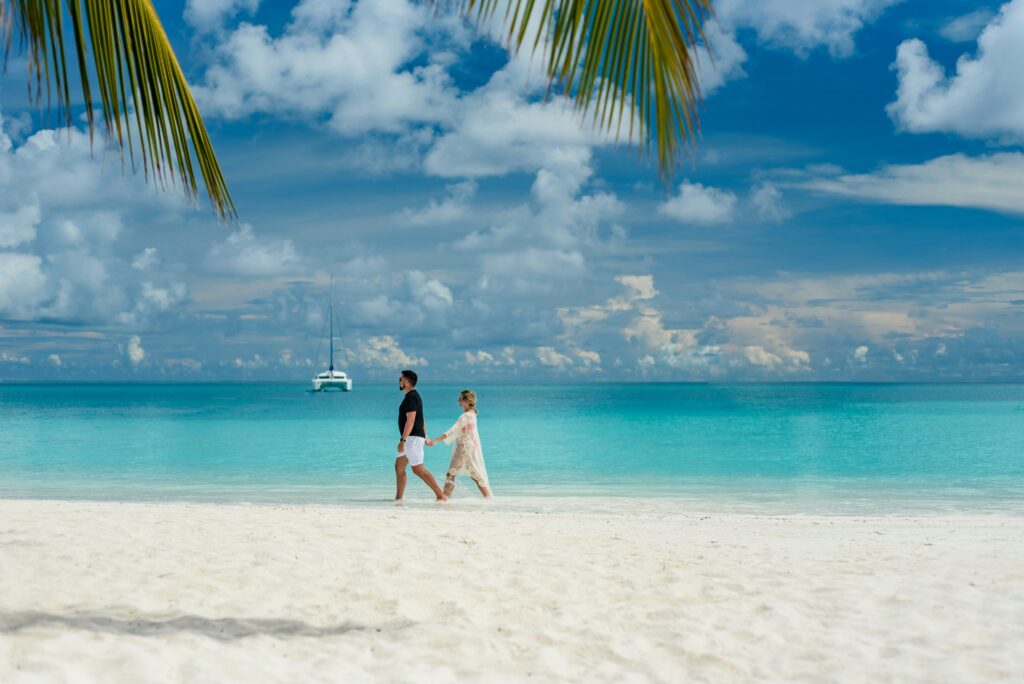
The places that reward time on the Naora route are the places that take time to reveal themselves. The first day in a Tuamotu atoll, the water is extraordinary but the atoll is still a location. The third day, you have dived the pass twice and snorkelled the lagoon floor and found the anchorage that is sheltered from the northwest and learned the name of the family that lives in the single house on the motu and eaten fish that you caught yourself in water you understand. The atoll is no longer a location. It is a place. That transformation takes time, and it cannot be rushed without losing the thing that made it worth stopping for.
The Schedule That Serves the Journey
The Naora route has a schedule in the sense that the seasons must be respected. We leave the Mediterranean before the autumn gales. We arrive in the Caribbean after the hurricane season. We cross the Pacific before the cyclone season in the South Pacific. We leave Southeast Asia on the northeast monsoon. These seasonal constraints are real and non-negotiable.
Within those constraints, the schedule is entirely fluid. If an anchorage deserves more time, it gets more time. If the weather produces a window that allows a detour to somewhere we had not planned, we take it. If the fishing is extraordinary in a bay that was only supposed to be an overnight stop, we stay another day. The route is shaped by what the journey needs rather than by a set of waypoints that must be reached on predetermined dates.
This flexibility is only possible because the entire route is planned with enough time that the occasional extra day, or extra week, does not create a cascade of problems downstream. The five-year timeline is generous by design. It is generous because the alternative, a four-year circumnavigation with the same destinations, produces a journey that is always slightly too fast to actually inhabit the places it passes through.
Slowness as a Form of Respect
There is also an ethical dimension to slowness that we think about explicitly. The places Naora visits, particularly the remote communities in the Solomon Islands, the Marquesas, the outer Indonesian islands, and the African coast, are not destinations designed for visitors. They are places where people live, with their own rhythms and their own priorities. The manner in which a visiting vessel engages with those communities matters enormously to the quality of the exchange.
A boat that arrives, spends one night, photographs the village, and moves on extracts an image from a place without giving anything back and without understanding anything real about it. A boat that stays for three days, comes back the following season, learns names and shares meals and brings back the books that were requested last time: that boat has a relationship with the place that produces genuine exchange in both directions. The community receives something. The visitors understand something. The visit is real rather than performative.
This quality of engagement requires time. It requires the willingness to sit in the same anchorage for a third morning rather than ticking it off and moving to the next item on the list. It requires the understanding that the most valuable experiences on the route are the ones that could not have been planned, and that they are available only to people who are still there when they happen.
What Slowness Produces

The members who get the most from the Naora journey are consistently the ones who have genuinely accepted the pace. Not as a compromise, not as patience in the face of something they wish were faster, but as an understanding that the pace is the point.
A life spent moving at the maximum sustainable speed produces experiences at the rate that pace allows, which is to say: many experiences, processed shallowly, none of them fully inhabited. A life spent moving at the speed the environment requires produces fewer experiences, but each one leaves a deeper mark. The Tuamotu atoll where you stayed four days instead of two is the one you can still describe in specific, sensory detail ten years later. The one you stayed overnight is a photograph.
The philosophy behind the Naora route is not complicated. It is the understanding that the ocean moves at its own pace, that the places worth visiting reveal themselves on their own timeline, and that the quality of the experience available to someone who is genuinely present in a single extraordinary place is always greater than the quantity of experiences available to someone moving too fast to fully receive any of them.
We never rush. Not because we have nowhere to be. But because the being here is the whole point.
- The Naora route covers 45,000 nautical miles over five years: the pace is designed for depth, not distance
- Rushing costs the transformation that turns a location into a place: the Tuamotu atoll you stayed three days in is different in memory to the one you spent one night
- The schedule serves the journey: seasonal constraints are non-negotiable, everything within them is fluid
- The five-year timeline is generous by design, so that extra days in the right anchorage never create problems downstream
- Slowness is a form of respect toward the communities visited: genuine engagement requires enough time for genuine exchange
- The experiences that cannot be planned are available only to people who are still there when they happen