We want to be fair about this. The MSC world cruise is a genuine product that delivers what it promises, and what it promises is substantial: six months or nine months of continuous movement through the world’s major port cities, aboard a ship with restaurants and pools and entertainment and all the infrastructure of a floating hotel, for a price that is not trivial but that is lower than many people expect for the duration it covers. If you want to move through the world’s port cities with comfort and convenience and a fixed cabin and a dining card, the MSC world cruise does this.
The question is not whether it delivers what it promises. The question is whether what it promises is what you are actually looking for when you say you want to see the world. And the answer to that question depends entirely on what you mean by seeing.
What the Numbers Say
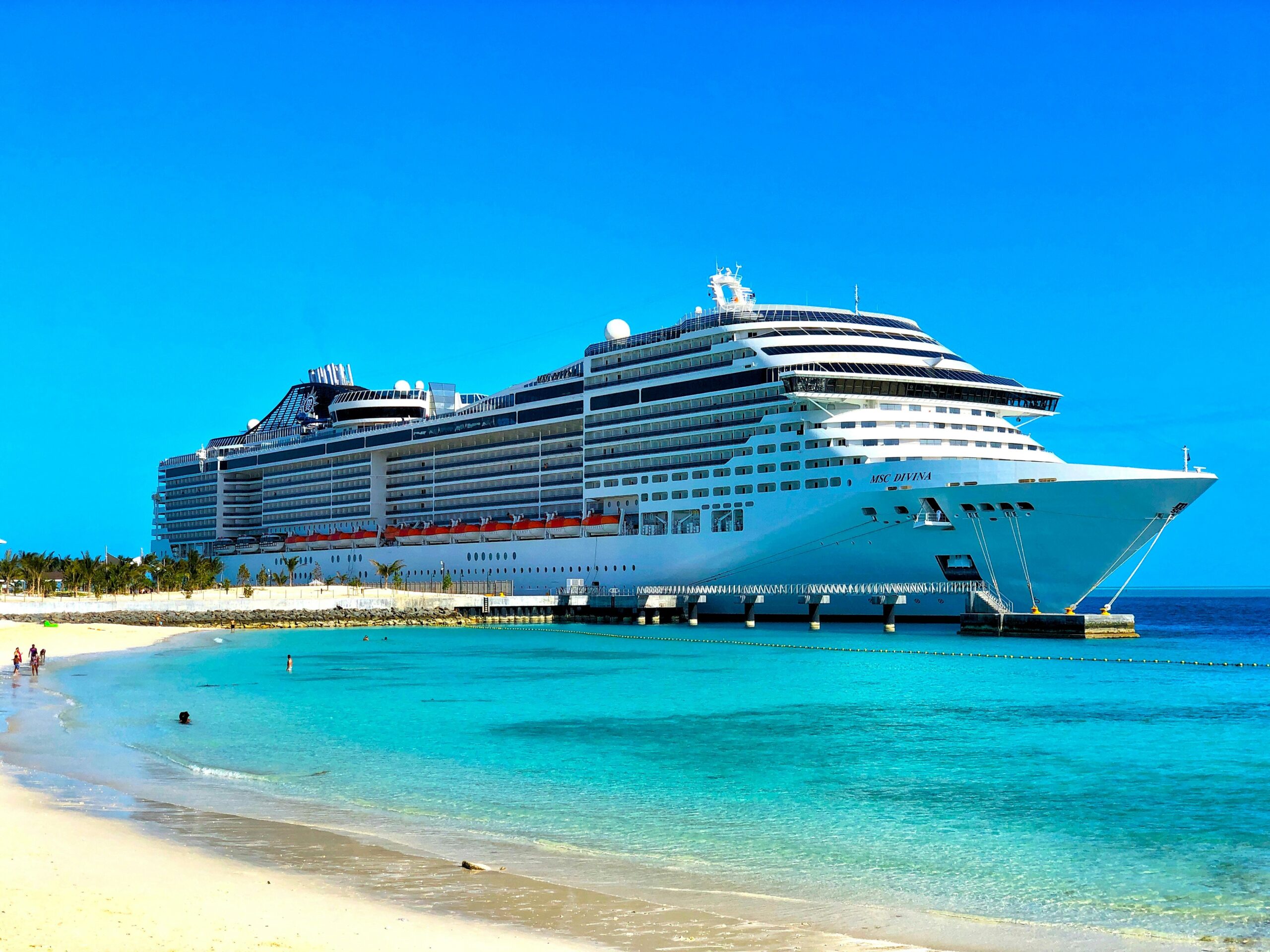
A large cruise ship carries between 2,000 and 5,000 passengers. It docks at major ports because it must: a vessel of that size requires port infrastructure that most of the world’s finest anchorages do not have. It spends typically six to twelve hours in each port, which is the time between the docking logistics being completed and the departure logistics beginning. The time actually available to a passenger in the destination is typically four to eight hours, shared with several thousand other people who are all in the same place at the same time doing variations of the same activities.
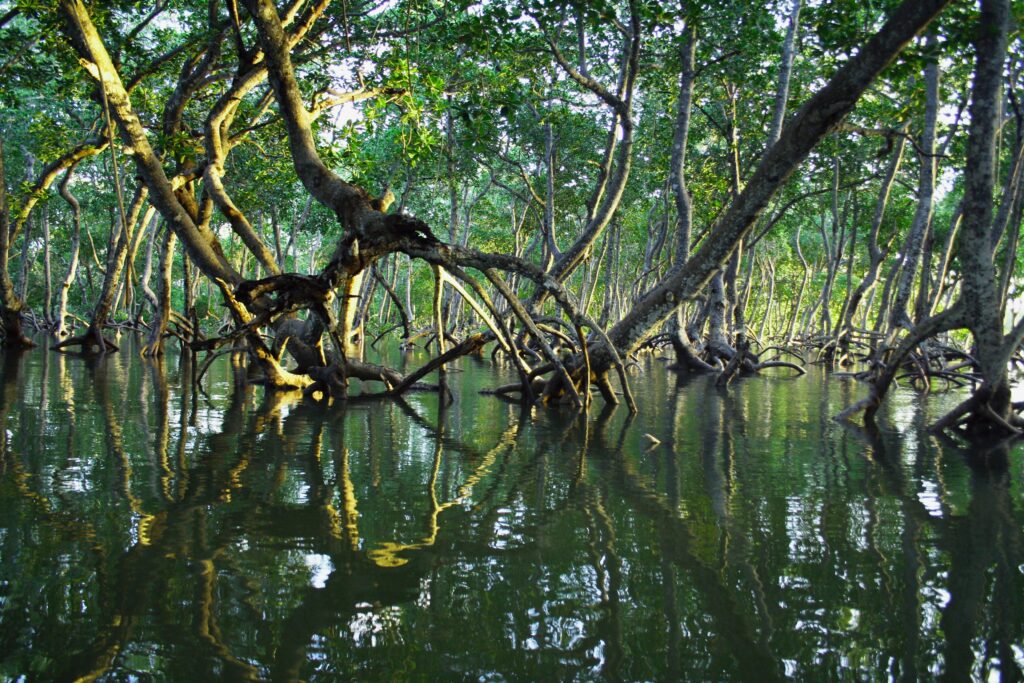
The port it docks in is the port. Not the bay around the headland. Not the village accessible by a ten-minute dinghy ride from a quiet anchorage. Not the island that the pilot book mentions in a single paragraph because only a few boats visit each season. The port: the infrastructure, the taxi rank, the organised excursion bus, the market that exists because cruise ships arrive and the people getting off them have four to eight hours and want to buy something.
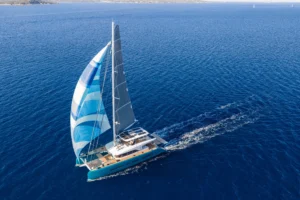
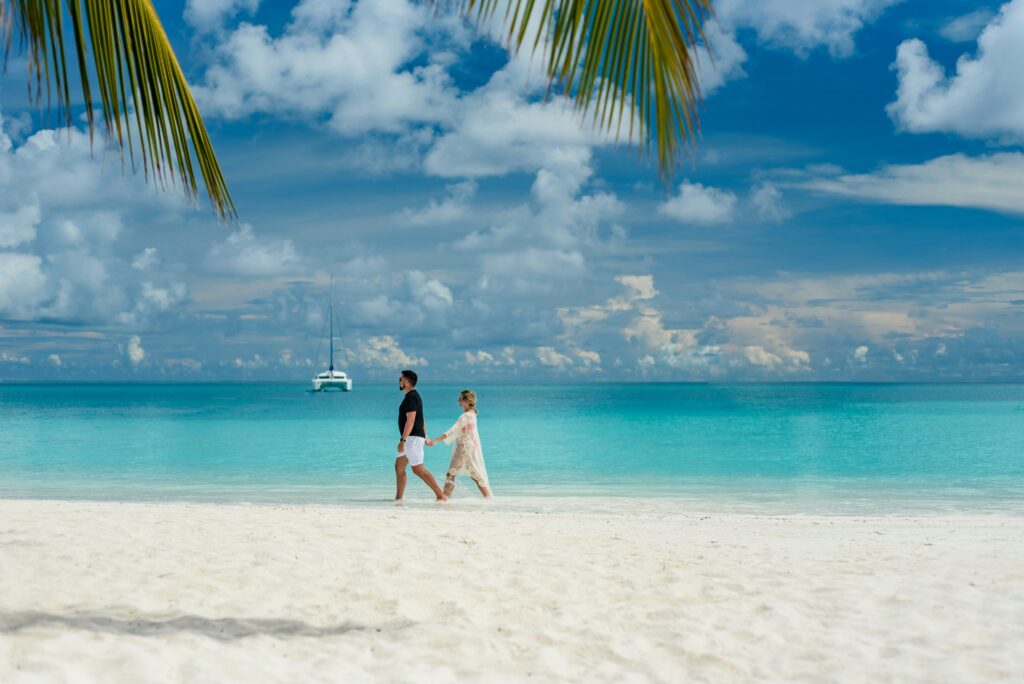
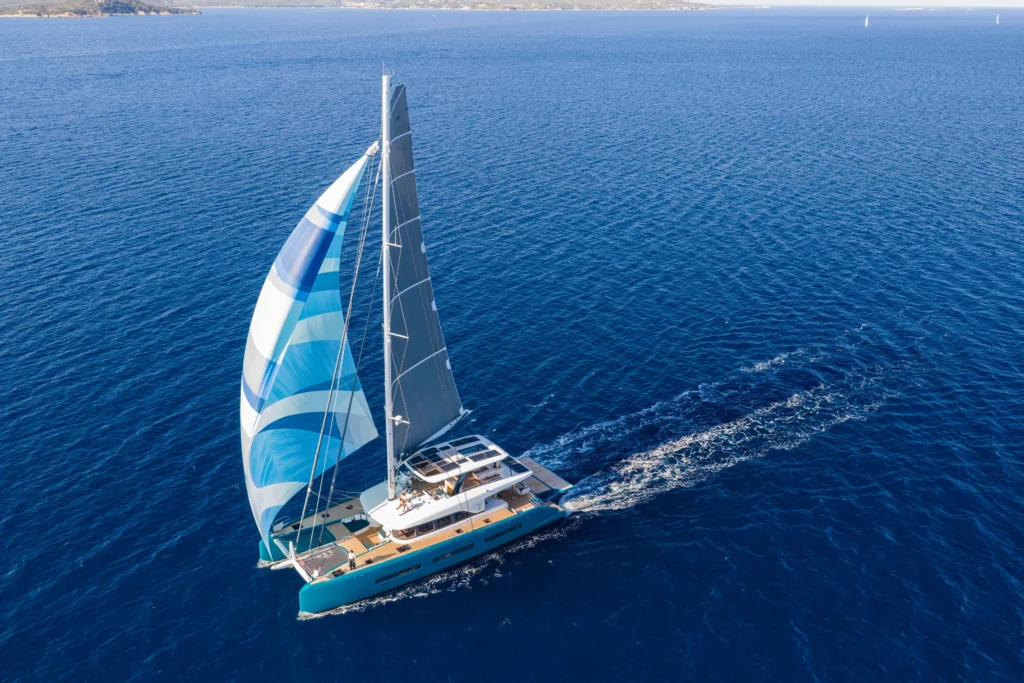
The Eighty2 carries twelve people. It anchors in bays that do not have port infrastructure because it does not require any. It spends two to seven days in each location rather than six to twelve hours because the pace is determined by what the place deserves rather than by the schedule of the next port. The twelve people aboard are not sharing the location with thousands of others in the same window. They are often the only boat in the anchorage.
What “Having Seen” Actually Means
The most common framing of the world cruise proposition is: after this, I will have seen the world. This framing deserves examination because it contains an assumption that is worth making explicit: that seeing is what travel is for, and that having been to a place constitutes having seen it.
Santorini, docked for eight hours with 3,000 other passengers: you have been to Santorini. The photographs exist. The stamp in the passport exists if you collected it. The checkbox on the list of places is filled in. What does not exist is the Santorini that is available to the twelve people who anchored in a bay on the island’s quieter side at six in the morning, swam before the island woke up, walked the path above the anchorage in the early light before the heat built, sat at the table in the village with the bread and the local cheese and the coffee that came from the family who has been operating from the same building since before the tourism industry arrived, and left two days later knowing something about the island that the cruise ship manifest does not contain.
Both groups have been to Santorini. One group has seen it. The distinction is not about the quality of the person or the level of effort or the intelligence of the approach. It is about the specific thing that time and scale and pace produce in the relationship between a traveller and a place, and that cannot be accelerated without being lost.
The Community Question
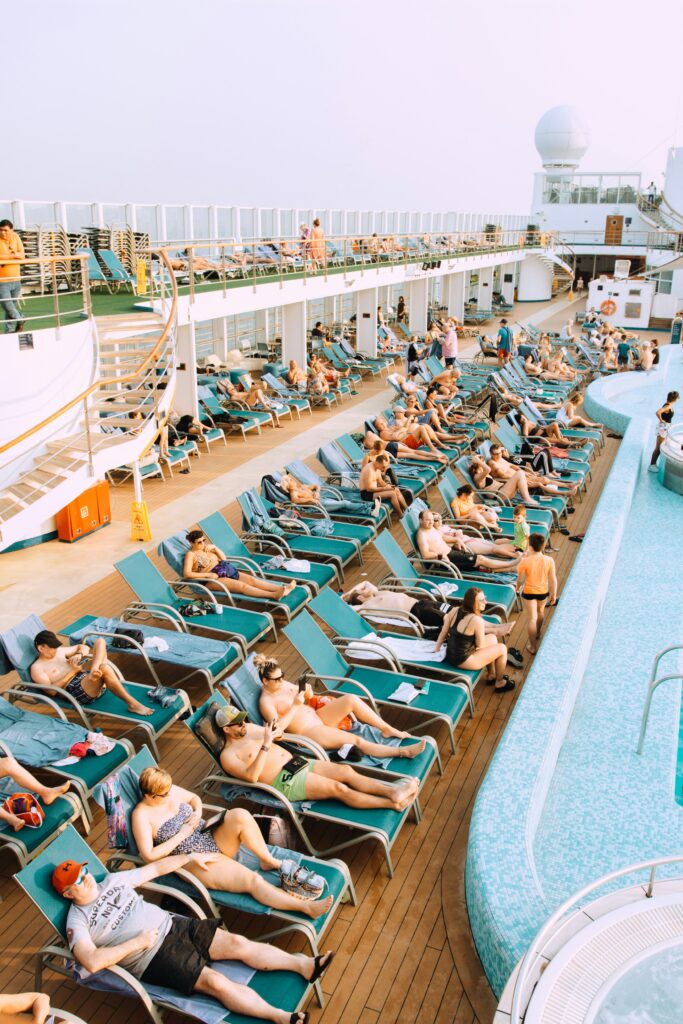
The MSC world cruise is experienced among thousands of people, most of whom will not know your name at the end of it. The social experience is the social experience of a large hotel: pleasant, managed, the interactions determined by proximity and the dining card and the activities programme rather than by the specific conditions that the offshore sailing passage creates.
Nobody on the MSC world cruise stands the three-hour night watch alongside you in the Pacific. Nobody is in the same small world for three weeks with nowhere else to be and no social exit available. The community that forms in those conditions is not available in those conditions on a ship of 4,000 people.
This is not a criticism of the world cruise. It is a description of what it is and what it is not. It is a logistics product that moves you through the world’s port cities with comfort. It is not a community-forming experience that changes the relationships you have with yourself and with other people through the specific conditions of offshore sailing in a small vessel over an extended period. These are different products. The price comparison between them is not the relevant comparison. The experience comparison is, and the experiences are not comparable because they are not the same kind of thing.