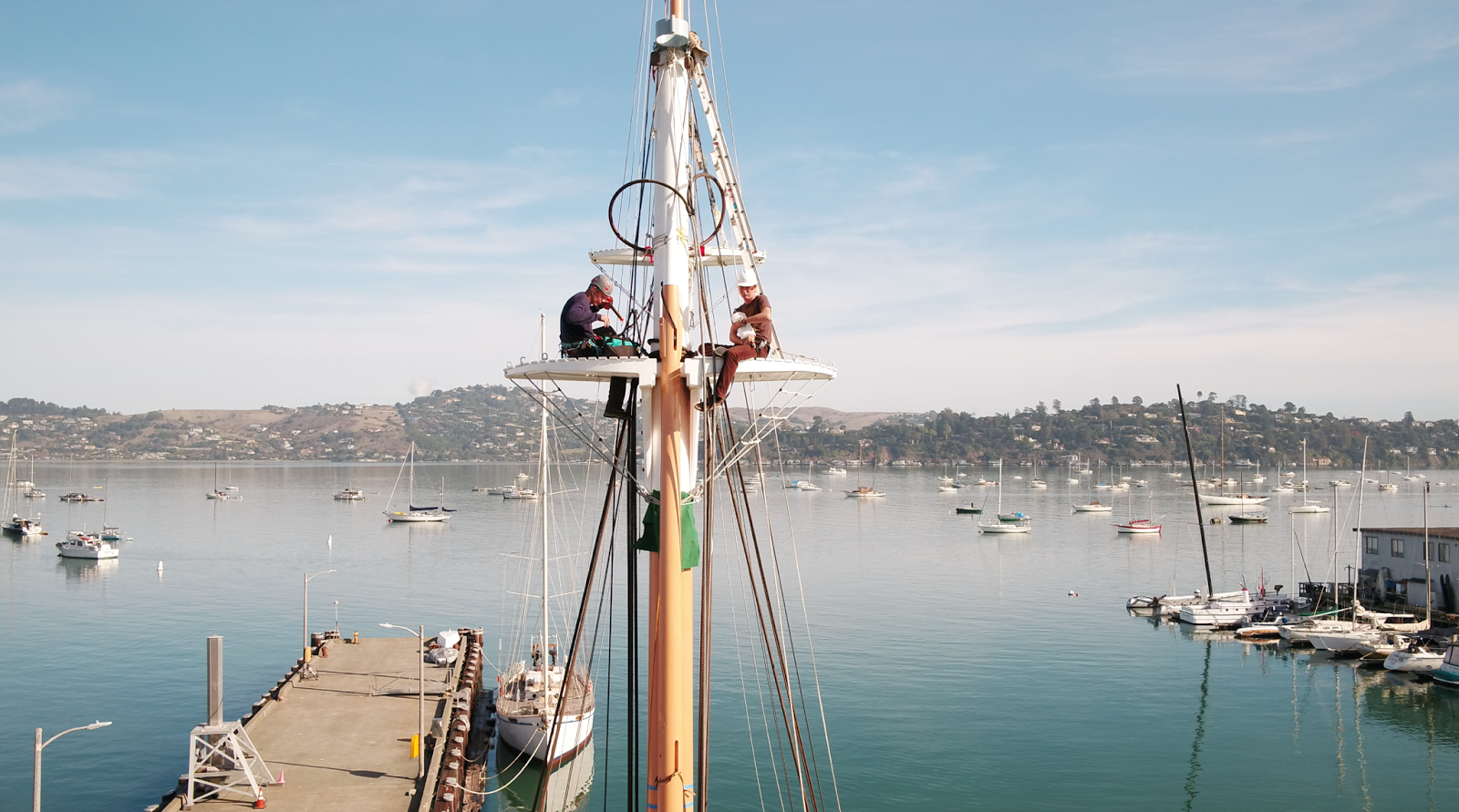
The crow’s nest, the lookout platform at the top of a sailing vessel’s mast, is named after the actual nests of actual crows in a way that is more direct and more specific than most people who use the term have been told. The Vikings, whose navigational knowledge of the North Atlantic was the most sophisticated available in the pre-compass era of European seafaring, carried crows aboard their longships specifically as navigational instruments, and the cage in which the crows were kept at the top of the mast was, literally, the crow’s cage or crow’s nest.
The specific navigational property of the crow that the Vikings had identified was the crow’s behaviour when land was not visible: released from the mast top, a crow would fly toward land if land was within its sensory range, and it would return to the mast if it was not. The Viking navigator who released the crow from the mast and watched the direction of its flight had, in the crow, a navigational instrument whose precision was the precision of the crow’s sensory capabilities, which extended significantly further than the Viking’s own ability to see the horizon from the deck of the vessel.
The Biblical Connection
The Viking practice had a more ancient origin that they may or may not have been aware of: the Book of Genesis describes Noah releasing a raven from the ark to determine whether land had appeared above the flood waters. The raven, which is a close relative of the crow and shares its navigational behaviour, returned when no land was visible and did not return when it found land to rest on. The specific navigational procedure that the Vikings were using when they released their crows from the mast top was, in its essential form, the same procedure that the oldest flood narrative in the Western tradition describes as the navigator’s response to an ocean crossing with no visible land ahead.
The human discovery that corvids navigate toward land rather than away from it, and that this behaviour can be used as a navigational instrument by people who are on a vessel at sea without other means of determining the direction of the nearest land, was made at least twice in recorded history and probably many more times in the unrecorded history of ocean-going peoples across the world. The crow’s nest preserved the instrument in the architecture of the vessel long after the specific bird had been replaced by the human lookout who occupied the platform above the mast where the crow’s cage had been.
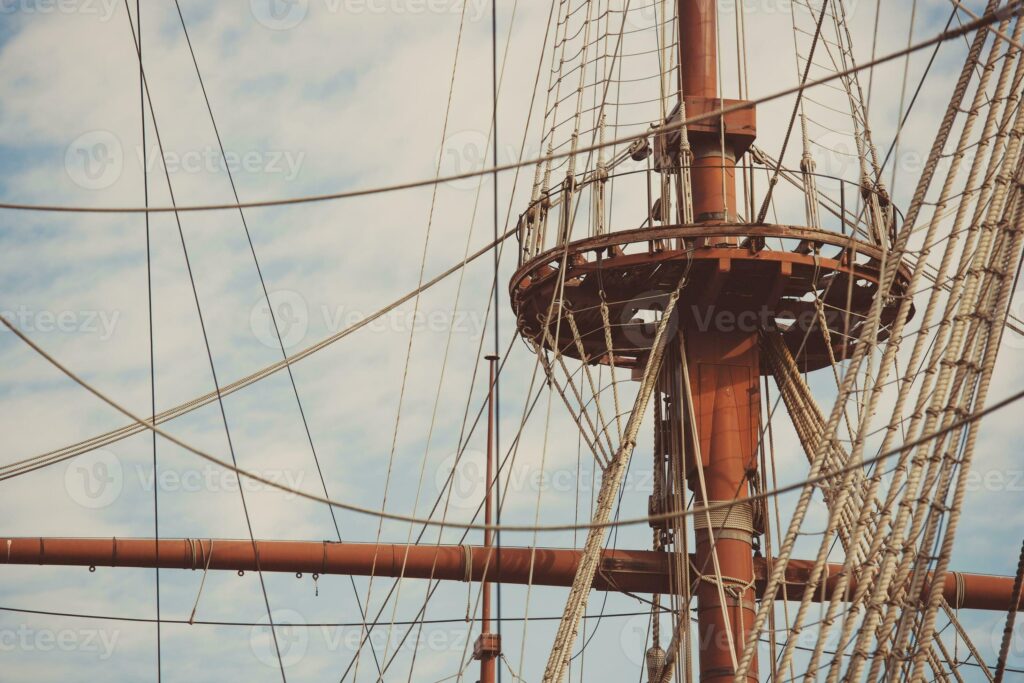
The Lookout Tradition
The bow lookout on the Naora voyage in the Tuamotu atolls is performing, in the specific context of the 21st century sailing catamaran, the same navigational function that the crow performed from the top of the Viking longship’s mast: the detection of what the instruments alone cannot show, the real-time observation of the environment ahead of the vessel that the chart and the GPS provide in general terms and that the human eye, in the right position with the right conditions, provides in specific terms that the instruments do not.
The crow’s nest is now the bow of a 24-metre catamaran and the crow is now a trained human observer with polarised glasses reading the colour of the water for the coral heads that the chart does not show. The navigational principle is the same principle. The technology of its expression has changed in two thousand years. The principle has not.