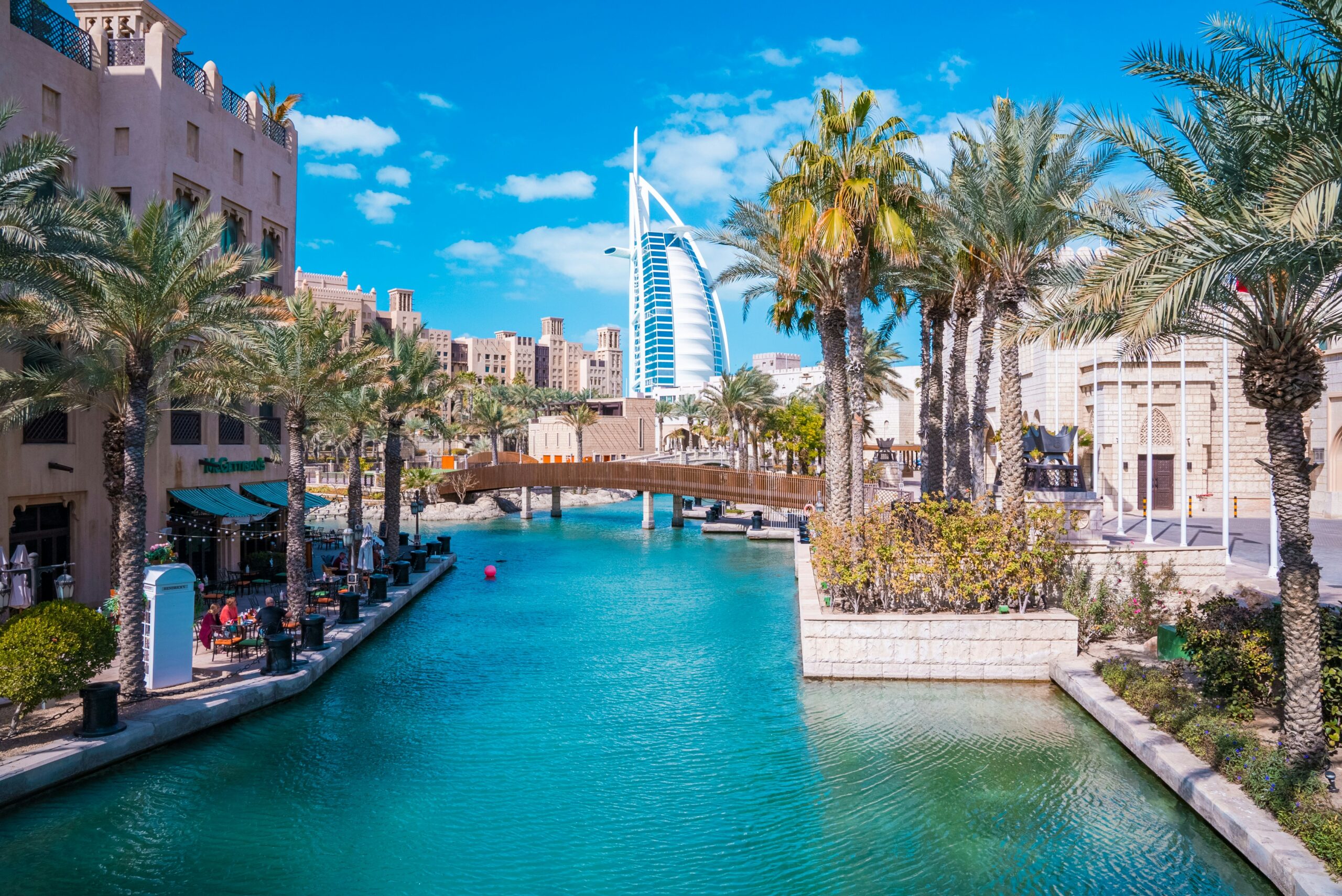
The luxury sailing club is a well-executed product in a clearly defined category. It provides access to a high-quality vessel in desirable locations, managed by a professional crew, for members who want to sail without owning a boat. The product is exactly what it says it is, it delivers what it promises, and the members who join it for the right reasons, which is the access to sailing rather than the accumulation of an asset, receive genuine value from it. This is a legitimate and functional product and we are not arguing against it.
What the luxury sailing club is not, and what it is not designed to be, is a transformation vehicle. The member who joins a luxury sailing club to have a better version of the charter sailing experience they have been enjoying for years will have exactly that: a better charter, with a more consistent boat and a more reliable crew and a membership community that is pleasant to encounter at the dock.
The member who joins expecting the kind of community and personal change that offshore sailing is capable of producing will find that the luxury sailing club’s structure does not produce it, because the structure is not designed to produce it. It is designed to provide access.
The Access Model’s Ceiling
The access model has a specific ceiling: it produces the best version of what it is, which is a high-quality managed sailing experience, and it cannot produce what it is not, which is the genuine community and the personal transformation that the offshore sailing life enables when the conditions are right. The conditions that the access model produces are comfort and convenience and the management of the experience to minimise friction. These conditions are the opposite of the conditions that produce transformation.
Transformation requires friction in the specific sense of genuine conditions that make real demands on the person experiencing them: the watch at three in the morning in building conditions, the meal prepared in the galley in a seaway, the community that cannot be exited when the social dynamic becomes uncomfortable. The access model removes these frictions because removing frictions is what the managed experience is designed to do, and in removing them it removes the specific conditions that make the offshore sailing experience what it is capable of being at its best.
What the Concept Misunderstood
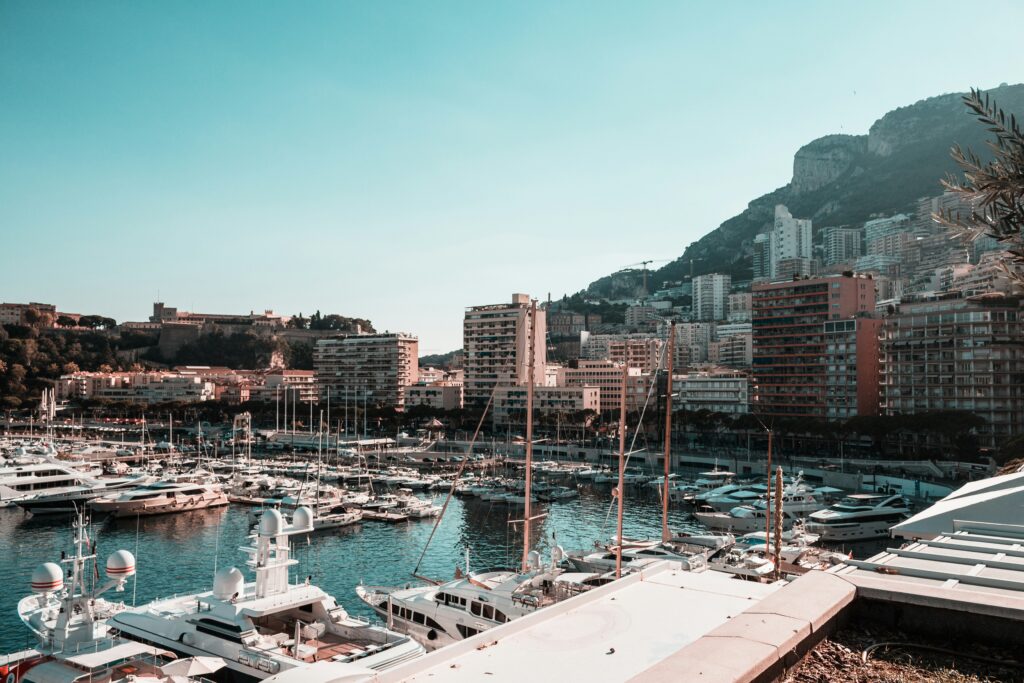
The concepts that failed in this category almost always failed because the founder understood what the offshore sailing life is capable of producing and built a product that was designed to communicate that capability without building the architecture that produces it. The marketing described transformation: the community, the personal change, the life-altering offshore experience. The product delivered access: the nice boat, the professional crew, the beautiful anchorages, the pleasant community of people with similar interests and similar incomes.
The member who joined for the transformation and received the access is the member who leaves at the end of year one and explains that it was not what they expected. The member who joined for the access and received the access is the member who renews. But the concept built around the transformation promise and the access delivery finds over time that its member base has self-selected for the access expectation and that the transformation the founder originally envisioned has become unavailable in the product that the commercial pressure of member retention has produced. The concept becomes what it can retain rather than what it was designed to be.
Naora is built around transformation as the product, not as the promise. The architecture produces the transformation: the invitation-only selection that puts the right people in the conditions, the Long Table that formalises the honest conversation, the rituals that mark the thresholds, the five-year duration that allows the community to accumulate across the full arc of the circumnavigation.
The architecture is the product. The access, the beautiful boat and the extraordinary destinations, is the context in which the architecture operates. When the concept understands this distinction it can build it correctly. When it does not, it builds the access and sells the transformation, and the gap between the two is the reason it does not survive.