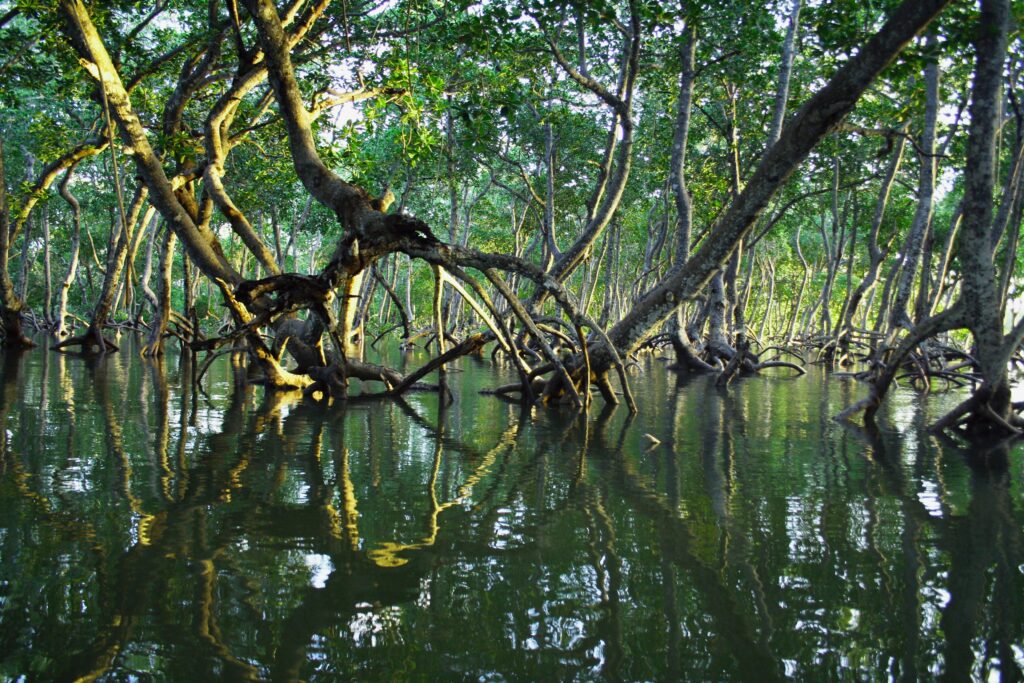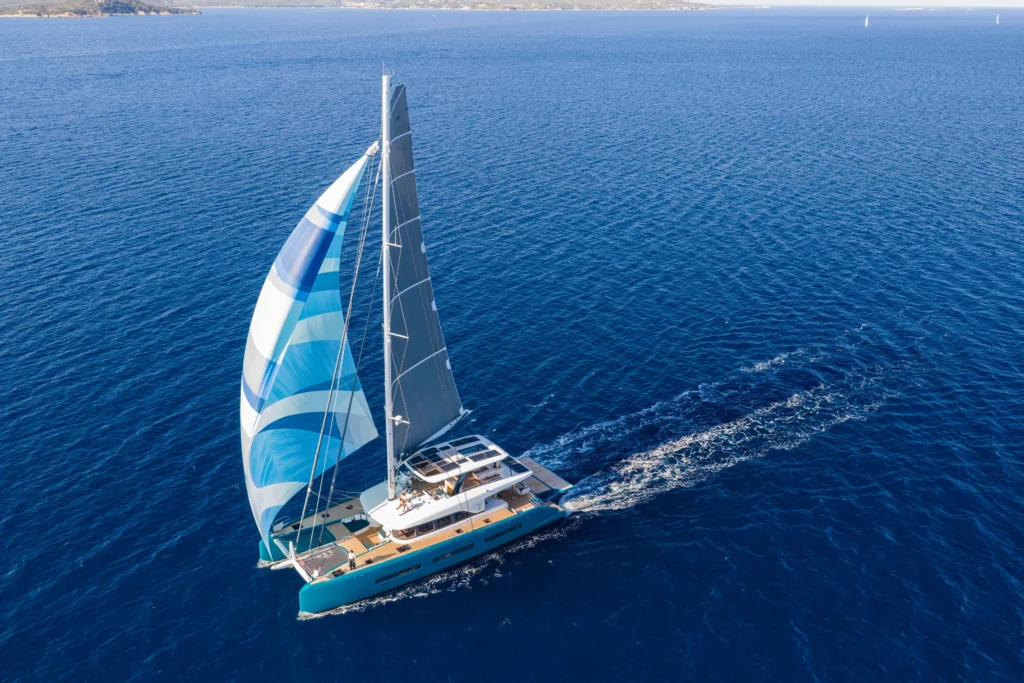
The Naora circumnavigation covers 45,000 miles across five years, from Bodrum in May 2027 to the return in January 2032. The route is divided into 183 legs across ten regions, and each region produces a different version of the Naora experience: different sailing conditions, different diving, different culture and landscape, different community dynamic as the Circle changes composition with each boarding and departure. Choosing the right leg is the question that the first conversation often arrives at, and the guide below is the starting point for that conversation rather than a substitute for it.
The Mediterranean: For the First-Timer and the Culture Seeker
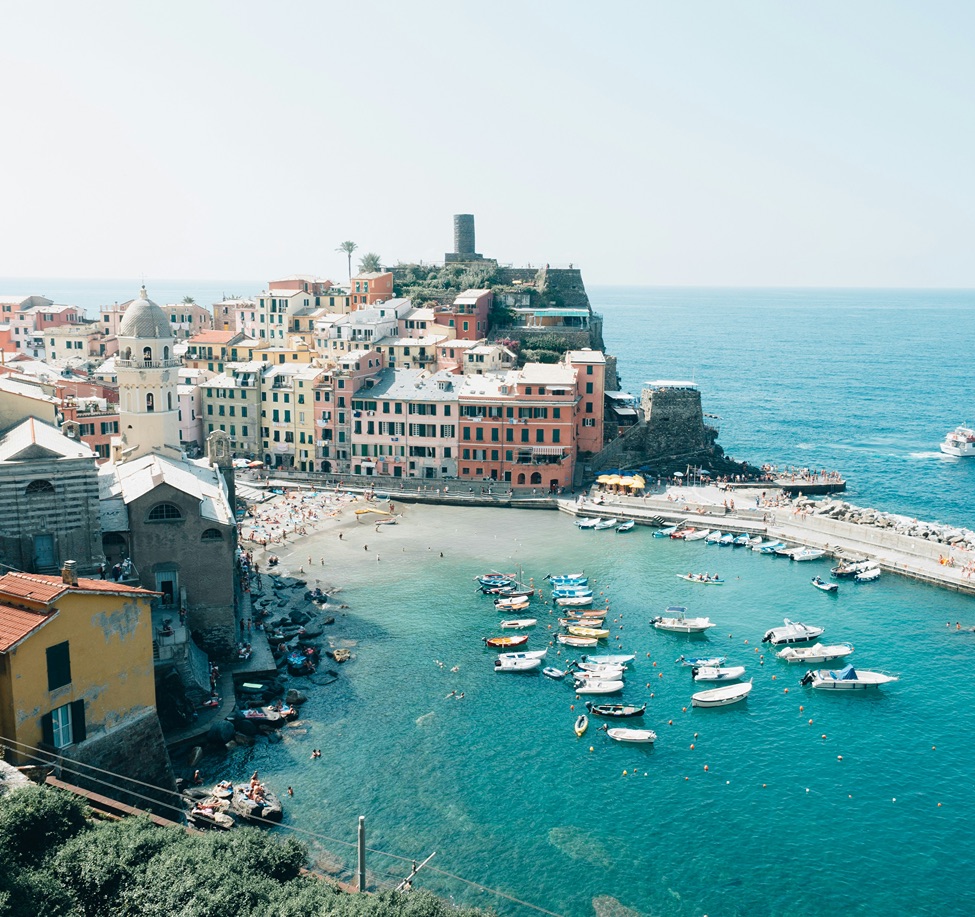
The Mediterranean legs, from Bodrum through the Greek islands, the Ionian, the Tyrrhenian, and westward to Gibraltar, are the opening chapter of the voyage and the natural entry point for the member joining Naora for the first time.
The sailing conditions are manageable rather than challenging: day passages predominate, the anchorages are frequent and beautiful, the cultural density of three thousand years of Mediterranean civilisation is accessible from the boat in the form of the village above the bay and the market in the harbour town and the ruins on the headland. The Mediterranean leg is the leg that introduces the Naora rhythm — the Anchor Moment, the Long Table, the sundowner hour — in the context of conditions that allow the member to absorb the rhythm rather than manage the conditions.
The Atlantic Crossing: For the Offshore Seeker
The Atlantic crossing from the Canaries to the Caribbean is the first major offshore passage of the route: approximately 2,700 miles of open ocean in the northeast trade winds, three weeks at sea with no land between the departure and the arrival. For the member who wants the specific quality of the long offshore passage – the night watches, the stars, the specific transformation that three weeks at sea produces – the Atlantic crossing is the defining leg of the first year.
The trade wind conditions are among the finest sailing available anywhere in the world: consistent wind, moderate swell, the boat sailing at speed day after day in conditions that require nothing from the crew except enjoyment.
The Pacific: For the Transformative Passage
The Pacific legs, from Panama through the Galapagos to the Marquesas and across the Tuamotu to Tahiti and beyond, are the most remote and the most transformative section of the route. The Pacific crossing from the Galapagos to the Marquesas is 3,000 miles of open ocean with no land between the two.
The outer Tuamotu atolls that follow are among the least visited sailing destinations on the planet. The community that forms over three or four weeks in the Pacific, in conditions that provide no distraction from the specific quality of the offshore life, is the community at its most intense and most genuine. The Pacific legs are for the member who has already been on the boat and wants to go further, or for the experienced offshore sailor who wants the most specific expression of what the Naora voyage can produce.
Indonesia: For the Diver and the Culture Seeker
The Indonesian archipelago legs, from the Banda Sea through Komodo to Bali and Lombok, combine the finest diving available anywhere on the Naora route with the most culturally dense coastline the voyage covers outside the Mediterranean. The Coral Triangle contains more marine species per square metre than any other ocean region in the world.
The Komodo dragons are accessible from the anchorage. The Balinese Hindu culture is visible from the water in the form of the sea temples on the coastal cliffs. The Indonesian legs are for the member whose priorities are the underwater world and the specific richness of the land culture that the sea approach to Indonesia reveals.
The Red Sea: For the Advanced Diver
The Red Sea offshore sites — Brothers Islands, Daedalus Reef, Elphinstone at Marsa Alam — are among the finest dive sites in the world and among the least accessible to the conventional dive tourist: remote offshore reefs reached only by liveaboard vessels, with the pelagic species diversity and the wall diving quality that the Red Sea’s specific oceanic conditions produce.
The Red Sea legs are for the certified diver who wants the offshore sites rather than the shore-based dive resorts, and who wants to be on a vessel that can reach them and stay on them rather than the liveaboard that visits them on a fixed programme with a fixed group.