The word freedom appears in more Naora conversations than almost any other word, and it appears in a way that suggests the people using it are reaching for something specific that the word does not quite contain. They say freedom and they mean something about the quality of their days that the days currently lack and that they can feel the absence of more clearly than they can describe its presence.
They mean the freedom from the continuous urgency that the professional life generates and that has replaced the slower and more chosen urgency of the life they were building before the professional life became what it is. They mean the freedom from the performance of the identity that the successful life requires and that they are very good at and that is very tiring in a way they are not always able to say directly.
I want to describe the freedom that the Naora Circle members actually have before they join the voyage, because I think the voyage is misunderstood as freedom-producing when it is actually freedom-revealing. The people who arrive at the Naora conversation are not people who lack freedom. They are people who have freedom in the financial and temporal sense, which is real freedom, and who are finding that the financial and temporal freedom has not produced the other kind, which is also real and which the financial and temporal is a necessary but not a sufficient condition for.
The Freedom That Is Already There
The freedom that is already present in the lives of the people who join Naora is the freedom that their particular way of being in the world has built: the freedom of the person who has developed genuine competence and has the specific confidence that genuine competence produces, who is not afraid of difficulty because they have been in difficulty and managed it, who can be in new situations without the anxiety that unfamiliarity produces in people who have not been in enough of them.
This is a substantial and specific freedom. It is the freedom of the experienced rather than the freedom of the unencumbered, and it is a richer freedom than the unencumbered kind because it was built rather than given.
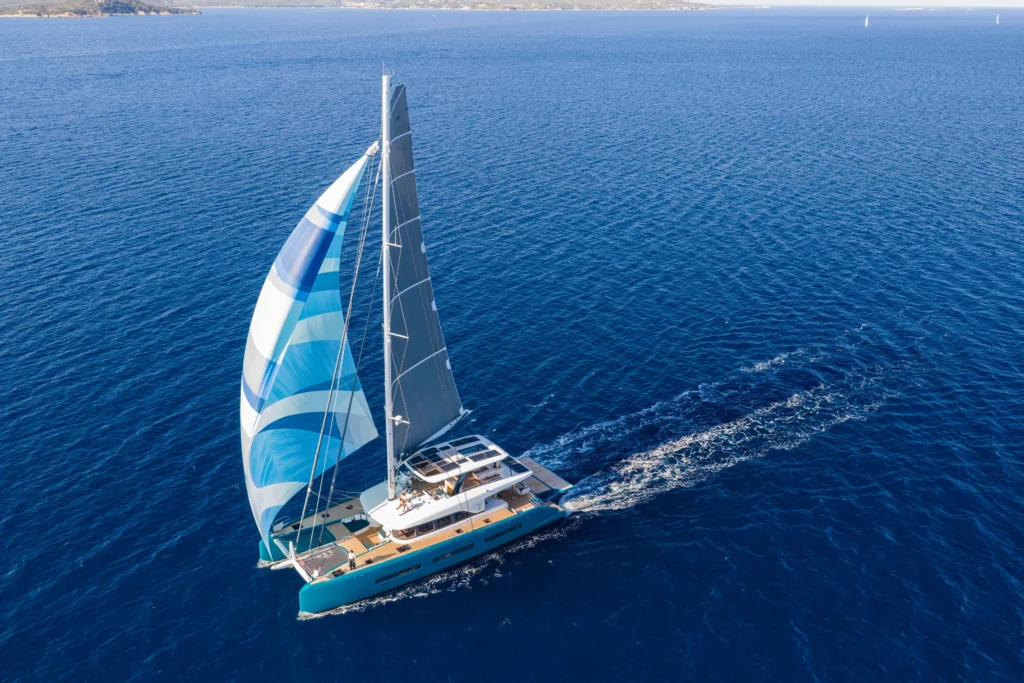
The Naora voyage does not give these people freedom. It provides the context in which the freedom they already have can be expressed without the constraints that the professional and social context of the land life places on its expression. The person who is free but operating in a context that requires a specific performance of their identity is not expressing their freedom.
They are exercising their capability within a constraint that the context imposes. The Naora voyage removes the constraint, not the person, and what the removal reveals is the freedom that was always there and that the land context was always somewhat obscuring.
What the Rich Life Actually Is
The people who join Naora are rich in the sense that matters most and that is the hardest to describe to people who conflate richness with its financial expression. They are rich in curiosity: the genuine interest in what they do not know that is the foundation of every other quality that makes a life interesting to live. They are rich in experience: not the quantity of the experiences they have had but the quality of the relationship to experience that living attentively across many years produces.
They are rich in the specific kind of courage that is not the courage of the person who has nothing to lose but the courage of the person who has a great deal to lose and who chooses the real over the safe anyway.
This richness is visible in its most direct form: in how the people listen, which is the listening of people who find what others say genuinely interesting rather than strategically relevant; in how they speak, which is the speaking of people who say what they actually think rather than what the social situation requires; in how they receive difficulty and uncertainty and the specific challenges that the offshore context produces, which is the receiving of people who have been in difficulty and uncertainty before and who understand them as the conditions of the interesting life rather than as deviations from the safe one.
This is what we mean when we talk about freedom. Not the absence of constraint, which is not available to anyone living in the world. The specific quality of the life that is lived from the inside rather than performed for the outside, that is built around what the person actually values rather than what the social environment rewards for being valued, that is rich in the things that make the living of it worth the doing rather than in the things that make the having of it worth the displaying.
The freedom to be exactly who you are in the conditions that allow exactly who you are to be enough. This is the freedom the Naora Circle is built to produce. And it turns out that the people who find their way to the voyage were already, in large part, living it.