The Cook Islands sit in the central South Pacific, roughly equidistant between Tonga and the Society Islands, and they are on the Naora route’s Pacific chapter as the boat moves westward from Bora Bora toward the Tongan archipelago. Rarotonga and Aitutaki are the main islands: Rarotonga with its ring road and its market town and the volcanic peaks that rise directly from the coast, Aitutaki with its lagoon that appears in every list of the world’s most beautiful and that earns its position on those lists in the specific way that the genuinely extraordinary does not require argument.
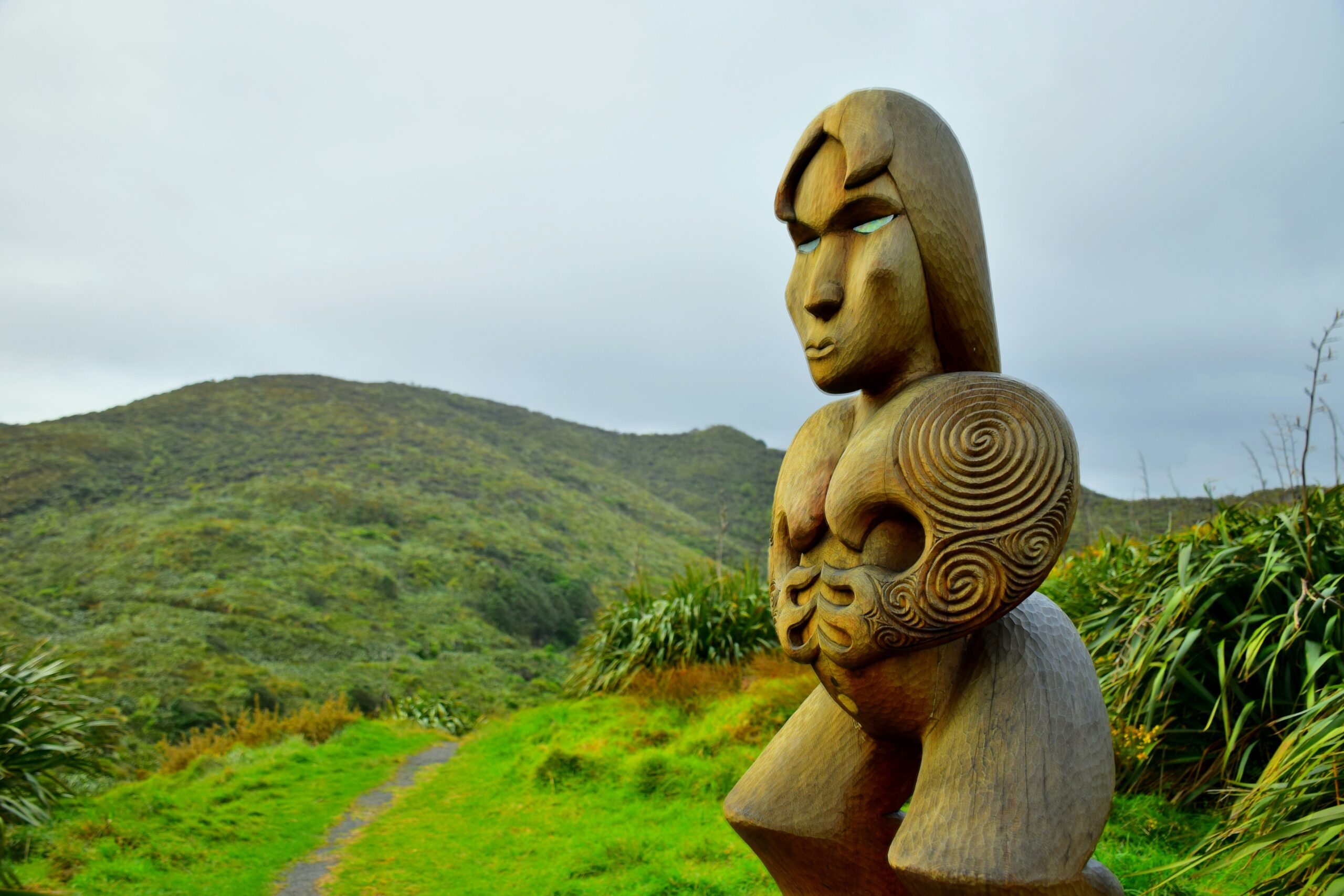
The Māori community of the Cook Islands is not the Māori of New Zealand, though the two peoples share the common Polynesian origin that the linguistic and cultural connections between them make visible. The Cook Islands Māori have maintained a continuity of cultural practice that the colonial history of the larger Pacific islands disrupted more severely: the marae, the communal meeting space that is the organisational heart of the traditional community, is still the place where the community’s significant decisions are made in a form that has not been replaced by the committee meeting and the agenda and the majority vote.
The Marae
The marae is not a building. It is a space: an open area of coral stone, sometimes elevated, sometimes flat, that the community comes to when the community needs to be the community in the specific sense of making a decision that belongs to all of it rather than to the individuals who hold administrative positions within it. The marae decision is the decision made by the community in its full assembly, which means the decision is the decision that the community can actually implement rather than the decision that was imposed on the community by the people with the authority to impose it.
The marae conversation begins with singing. Not as a warm-up or a formality: the singing is the transition from the individual mode of being, in which each person is their specific self with their specific interests and their specific position in the community’s hierarchy, to the collective mode, in which the individual is present as a member of the community rather than as a person with an agenda.
The singing produces this transition because it requires the breath and the attention of everyone simultaneously and in a form that does not allow the partial presence of the person who is managing their phone or their internal monologue. The marae conversation that begins in the singing begins in the full presence of everyone in it.
The Umu
The umu is the earth oven of the Polynesian cooking tradition: volcanic stones heated to extreme temperature in a fire, a pit dug in the earth or sand, the stones placed in the pit and the food wrapped in banana leaves laid on top of them and covered with more leaves and earth to retain the heat.
The cooking takes several hours and requires the community’s collective preparation: the stones gathered, the fire built, the food prepared and wrapped, the pit dug. The meal that emerges from the umu is the meal that the community prepared together, which means the eating of it is the eating of the community’s collective effort rather than the consumption of a product.
The umu meal is what the Long Table is reaching for in the specific context of the Naora voyage: the meal that belongs to the people who made it rather than the meal that was provided to the people who consumed it. The Cook Islands community’s understanding of the relationship between the preparation and the eating of food is one of the most direct expressions of the communal principle that the Naora table, with its fishing and its spearfishing and its morning market provisioning, is also an expression of.
Sitting at the umu with the community that prepared it, in the specific location of the marae where the singing preceded the cooking and the cooking preceded the eating, is one of the Long Table experiences that the route makes available and that no restaurant and no resort can replicate