The Mediterranean feeds you differently to any other sea on the route. Not better, necessarily, though I would argue for it. Differently, in the specific sense that the ingredients available in a Turkish morning market and a Sicilian covered market and a Croatian fish quay at six in the morning are so specific to their place that the food produced from them carries the geography in its flavour in a way that has nothing to do with technique.
I grew up eating the food of this sea in the specific way that a child eats the food of the places they spend their time: without thinking about it as food exactly, as something to appreciate and analyse, but as what is there and what is good and what the meal is. The tomato from the woman at the Bodrum dock in the morning is not a culinary experience in the conscious sense. It is simply a tomato that is so much itself that you understand immediately and without reflection that the supermarket version was never really the same thing.
The Market Before the Day Begins
The Mediterranean provisioning happens in the morning, always, because the afternoon market is the market of what is left. The fish that was in the sea last night is at the quay by five in the morning, and by nine the best of it is gone. The vegetables from the farm above the town arrive before seven, and the farmers who bring them are not waiting for customers who arrive at ten. The morning market is an institution that operates on the assumption that serious buyers are already there, and we are.
Our chef goes with a list and without a list simultaneously. The list is what the meal plan requires. The absence of a list is what the market actually has, which is more important. The best morning market visit produces meals that were not planned before departure: the cuttlefish that were brought in overnight and that he has not worked with in this specific form before but that he knows what to do with. The fresh figs from the garden of the woman three stalls down from the fish. The wild herbs gathered from the hillside above the bay that the old man sells from a plastic bag with no sign and no price until you ask.
These ingredients become the food of the next two days. The cuttlefish grilled in its own ink with the wild herbs and the tomatoes that came off the same truck. The figs with the local cheese that the woman sold him from her bag on the way out of the market, barely mentioned, pressed on him because he was buying enough of the other things to deserve the bonus. The Mediterranean is generous with this specific kind of abundance, which is not the abundance of quantity but of specificity: not more of everything, but the exact right thing at the exact right moment in the exact right place.
What We Do to the Octopus
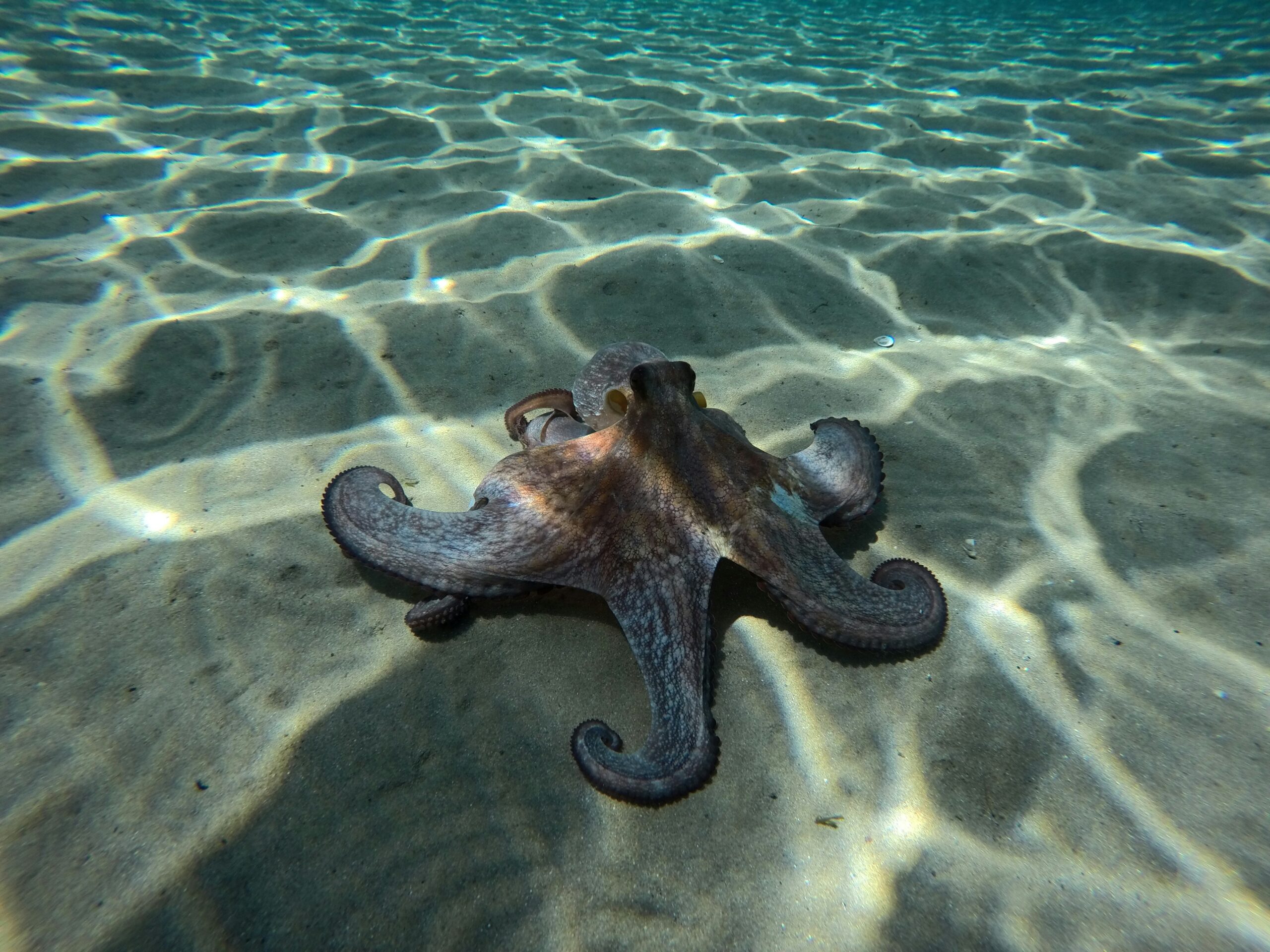
The octopus question is one that divides people who have eaten Mediterranean food their whole lives from people who have not. The division is not about whether you like octopus, which most people who have eaten it fresh and properly prepared do. The division is about what you do to it before you cook it.
The traditional answer, still practised by fishermen along the Turkish and Greek coasts, is to beat it against a stone. Forty to sixty times, rhythmically, against the concrete of the quay or a flat rock above the tideline. This breaks down the muscle fibres in a way that no amount of cooking replicates: the result is tender not from slow cooking but from the specific physical intervention that the Mediterranean fishing tradition has applied for centuries. Our chef does it this way. The first time a member witnesses it they are surprised. The first time they taste the result they understand immediately why it continues.
After the beating, the octopus is left to rest in the sun for an hour if conditions allow, which dries the skin slightly and improves the texture further. Then it goes over charcoal, simply, with olive oil and lemon and the specific herbs that are growing six feet away on the deck. The Naora touch is not a recipe. It is the accumulated knowledge of what this specific ingredient needs and the willingness to give it what it needs rather than what the clock allows.
The Evening Table in the Mediterranean
The Mediterranean evening meal has a specific rhythm that I think about when I am away from the sea and the food is not this good. It begins with the aperitif at four, which is not a meal but a transition: small things on a plate, the wine that was opened specifically for this hour, the conversation that moves from the afternoon into the evening without a formal line between them.
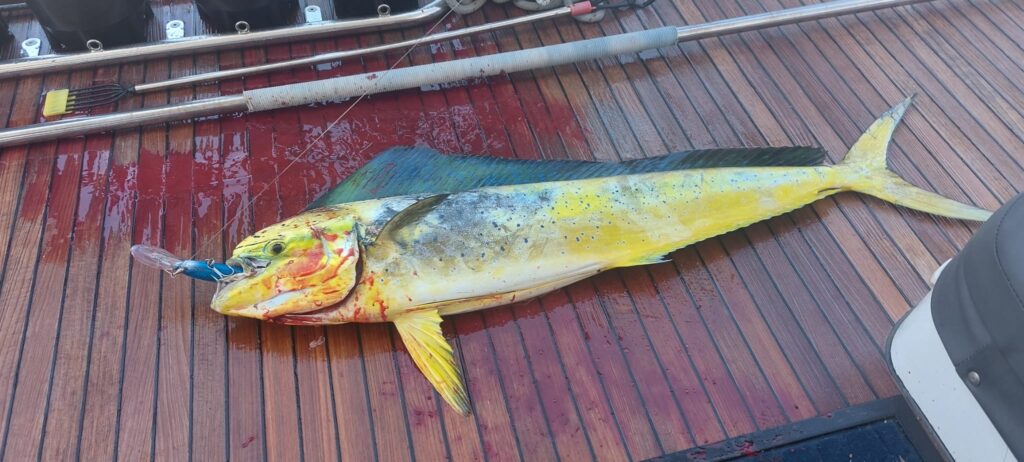
By the time the dinner arrives it is dark, or nearly so, and the boat is quiet in the way that a boat at anchor is quiet when the day is done and nobody needs to be anywhere. The chef has been working since the afternoon market. The meal is multiple courses, properly prepared, the product of hours of attention to ingredients that deserved it. The octopus that was beaten this morning is part of it. So is something from the fishing line in the afternoon. So are the figs at the end with whatever he decided to do with them, which is never exactly what I would have expected and always correct.
This is Mediterranean eating. Not the restaurant version, which is a pale copy, but the version that happens when you have the right ingredients and the right setting and the right company and nowhere to be after the meal except the same boat in the same anchorage with the stars coming out above the bay. I have eaten this way since I was a child and I am not tired of it. I do not think I will ever be tired of it.