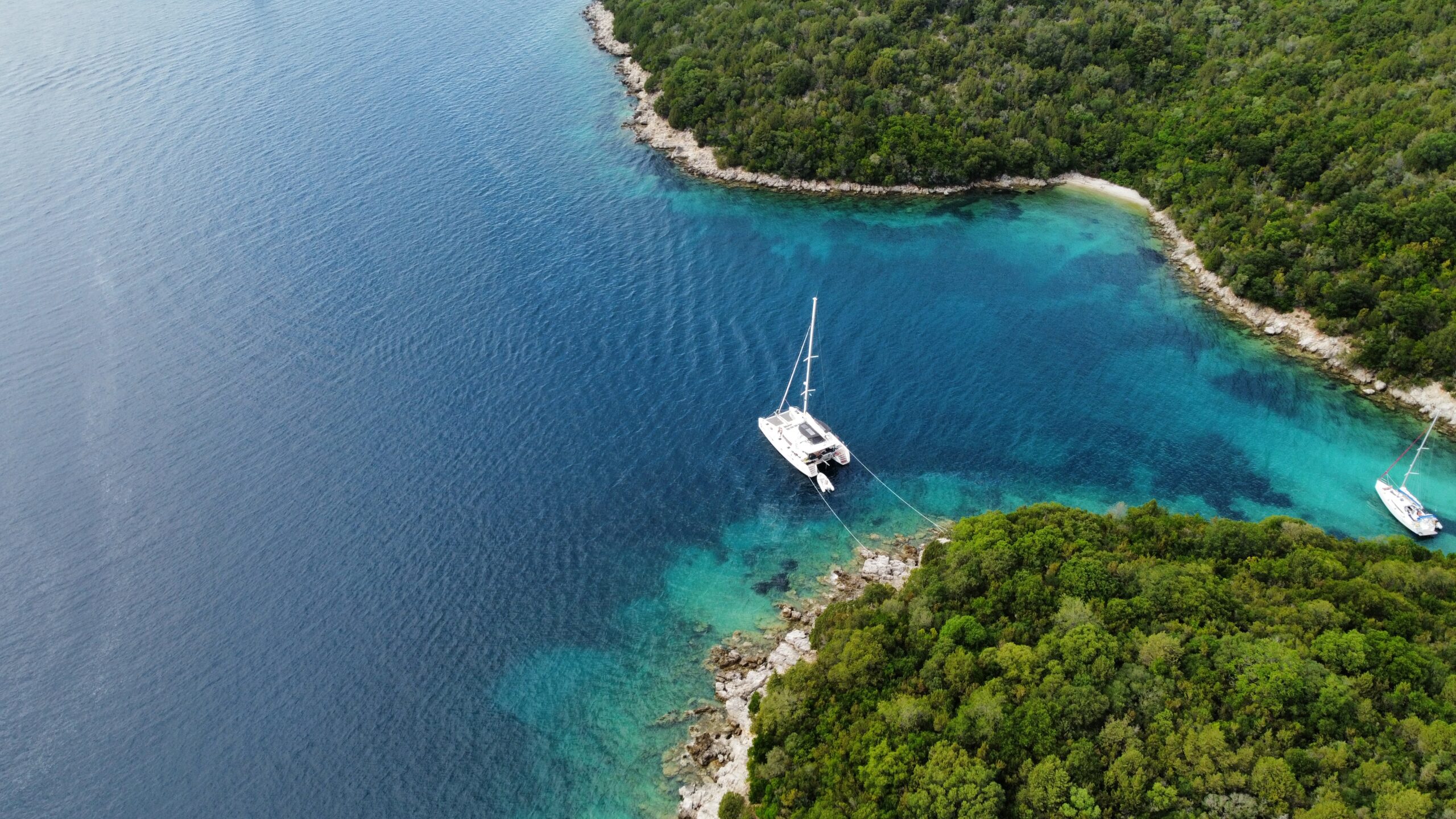
Sven and I met at a project for a large multinational. We became friends in the specific way that two people become friends when they discover, in a professional context, that they share something more fundamental than the work: the same values, the same orientation toward the world, the same restlessness toward the horizon. We stayed in contact. We sailed together. And somewhere in the middle of a passage on the Mediterranean, in conditions that were challenging enough to reveal the character of both of us rather than the professional version we had been presenting in offices, the friendship became something different to what it had been before we left the harbour.
I have thought about this transformation since. Not because it was surprising in retrospect, it was not, but because understanding what actually happened in that passage might illuminate something about what offshore sailing does to relationships generally and what the Naora community will produce in the people who come through it.
What Land-Based Friendship Cannot Test
Land-based friendship, even deep and long-standing land-based friendship, operates primarily in conditions that both parties have chosen and can exit. The dinner that goes well because both people are rested and the conversation is good. The weekend that produces connection because the setting is pleasant and nobody is tired or stressed or managing something difficult in the background. Even the difficult moments in a land-based friendship, the conversation about something hard, the period of distance and reconnection, happen in a context where both parties have agency: the ability to leave the room, to change the subject, to suggest trying again tomorrow.
An offshore passage removes this agency. You cannot leave the room. Tomorrow is another day on the same boat in the same conditions with the same people. The difficult conversation, if it needs to happen, happens in the available space rather than in a space that has been curated for it. The tiredness is real and sustained rather than occasional. The conditions are what they are rather than what you would have chosen.
What this produces is not friction, or not primarily friction, though friction is part of it. What it produces is the specific kind of knowledge of another person that only sustained proximity in real conditions creates. You learn how someone handles fatigue. You learn what they are like at three in the morning when the watch is cold and the coffee has run out and the wind is building rather than dying as forecast. You learn whether their patience is available only in good conditions or whether it extends to the conditions that test it. You learn, in short, whether the person you thought you knew is the person they actually are.
The Deepening
The friendship that survives the first serious passage is different in quality to the friendship that preceded it. Not always warmer, not necessarily more affectionate, not characterised by greater frequency of contact or more elaborate demonstrations of care. Deeper. The word is imprecise but it is the right word: the friendship has a foundation after the passage that it did not have before, a foundation built from actual knowledge of the other person in conditions that tested both of you, and the specific trust that this knowledge produces.
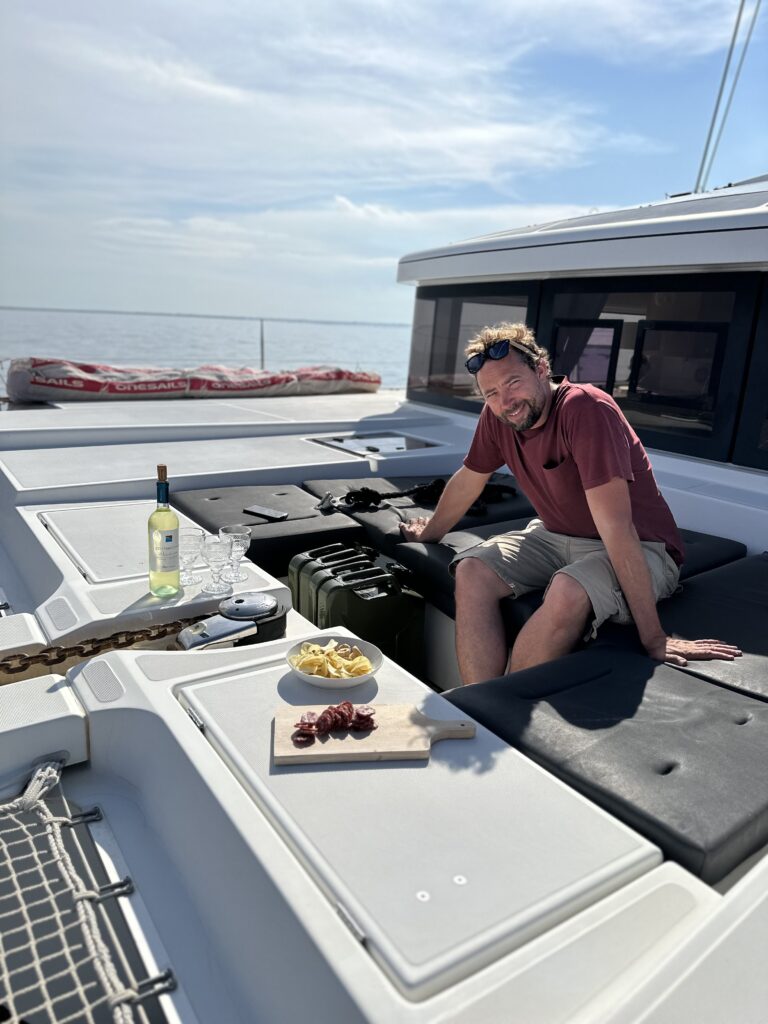
Sven and I have sailed many passages since that first one. The friendship has continued to deepen across each of them, and across the years of building Naora together, and across the specific quality of working closely with someone whose competence you have observed at sea and whose character you have understood at three in the morning in conditions neither of you chose. I know him differently to how I know people I have known for equally long periods in purely social and professional contexts. I know him in the way that the passage taught me to know him, which is to say: in his full human form rather than in the curated version that land makes available.
This is what the Naora community will produce, passage by passage and season by season, in the relationships between members who sail together. Not guaranteed: some friendships brought onto a boat discover that what they were on land is what they remain on the water, which is also useful knowledge. But the ones that deepen, the ones where the passage reveals something that was already true but had not been tested: these are among the most durable relationships available in human life. Because they are built on what is real rather than what is performed, and what is real does not change when the circumstances change.
What This Means for the Circle
The Naora Circle is designed around the understanding that shared offshore experience produces a specific quality of connection that other shared experiences do not fully replicate. The Long Table, the rituals, the community structure: all of these exist to formalise and extend the connection that the passage creates informally. But the passage is the foundation. The passage is where people are introduced to each other in their actual form rather than their social form, and it is where the Circle’s culture, the honesty and the presence and the willingness to be changed by what the sea offers, is established as a lived experience rather than a stated value.
Friends who sail together come back different. Not transformed, not unrecognisable, not having resolved all the tensions that land left unresolved. Different in the specific sense of knowing each other more fully, and trusting each other more specifically, and having the shared reference of a passage that was real and demanding and that both of them came through as themselves. That reference, once it exists, is permanent. The passage ends. What it produced in the friendship does not.