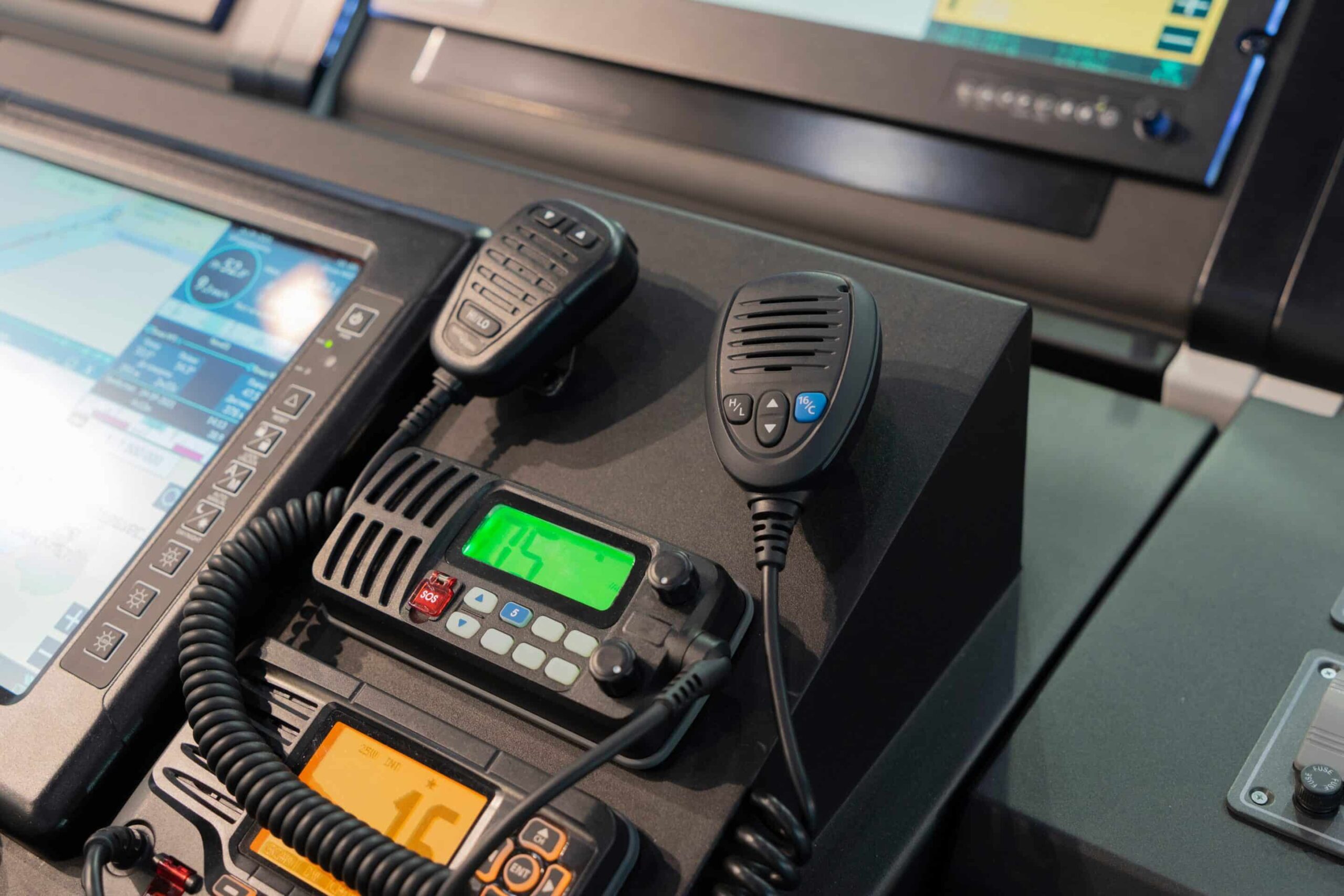
The mobile phone is private. When you call someone, that person receives the call and nobody else does. The VHF radio is public. When you transmit on a VHF channel, every radio within range that is monitoring that channel hears you. This is not a flaw. It is the fundamental design principle of maritime communication, and it is the reason the VHF radio remains the primary safety communication tool on the water despite the availability of the satellite phone and the internet and every other communication technology that the twenty-first century has produced.
The specific value of the VHF is not the two-way conversation it allows. It is the fact that the transmission is heard by everyone in the area simultaneously, including the people who need to hear it and do not know yet that they need to.
Channel 16 is the international distress, safety, and calling frequency. Every vessel equipped with a VHF radio is required by international maritime regulation to monitor Channel 16 whenever the radio is on and is not actively transmitting on another channel. This means that when the Eighty2 is at sea, Channel 16 is always live on the navigation station speaker.
The distress call from the vessel in trouble twenty miles away arrives on Channel 16 and is heard by every boat in the area simultaneously, including the Eighty2, which can respond, relay the call to the coast guard, or coordinate the assistance that the situation requires. This is the maritime mutual aid system that the VHF regulation was designed to maintain. Channel 16 is sacred because the alternative, a maritime radio landscape in which not everyone is monitoring the distress frequency is the landscape in which the Mayday call goes unheard.
DSC and the Distress Button
The modern VHF radio includes DSC which is the digital signalling layer that operates alongside the voice channel. Each DSC-equipped vessel has an MMSI number, a unique nine-digit identifier that is registered to the vessel and linked to the vessel’s details in the international maritime database.
When the red distress button on the VHF radio is pressed and held for five seconds, the radio transmits a digital distress alert on Channel 70 containing the vessel’s MMSI number, the GPS position from the connected GPS receiver, and the time of the alert. Every DSC-equipped radio in range receives this alert automatically, identifies the vessel from the MMSI number, and displays the position. The coast guard station that receives the alert knows immediately which vessel sent it, where it is, and who to contact for the emergency contact information.
The VHF is in the cockpit and at the navigation station on the Eighty2, and a handheld VHF lives in the safety kit near the life raft. Every crew member knows where the radios are and how to make a Mayday call. Every member who boards the Naora voyage is briefed on this before the first passage.
Not because emergencies are likely, they are not, and twenty-five years of offshore sailing has taught me that the boat that is well-maintained and well-managed rarely produces the emergency. But the preparation for the emergency that does not happen is the preparation that makes the emergency that does happen survivable. The VHF is the first tool in that preparation.