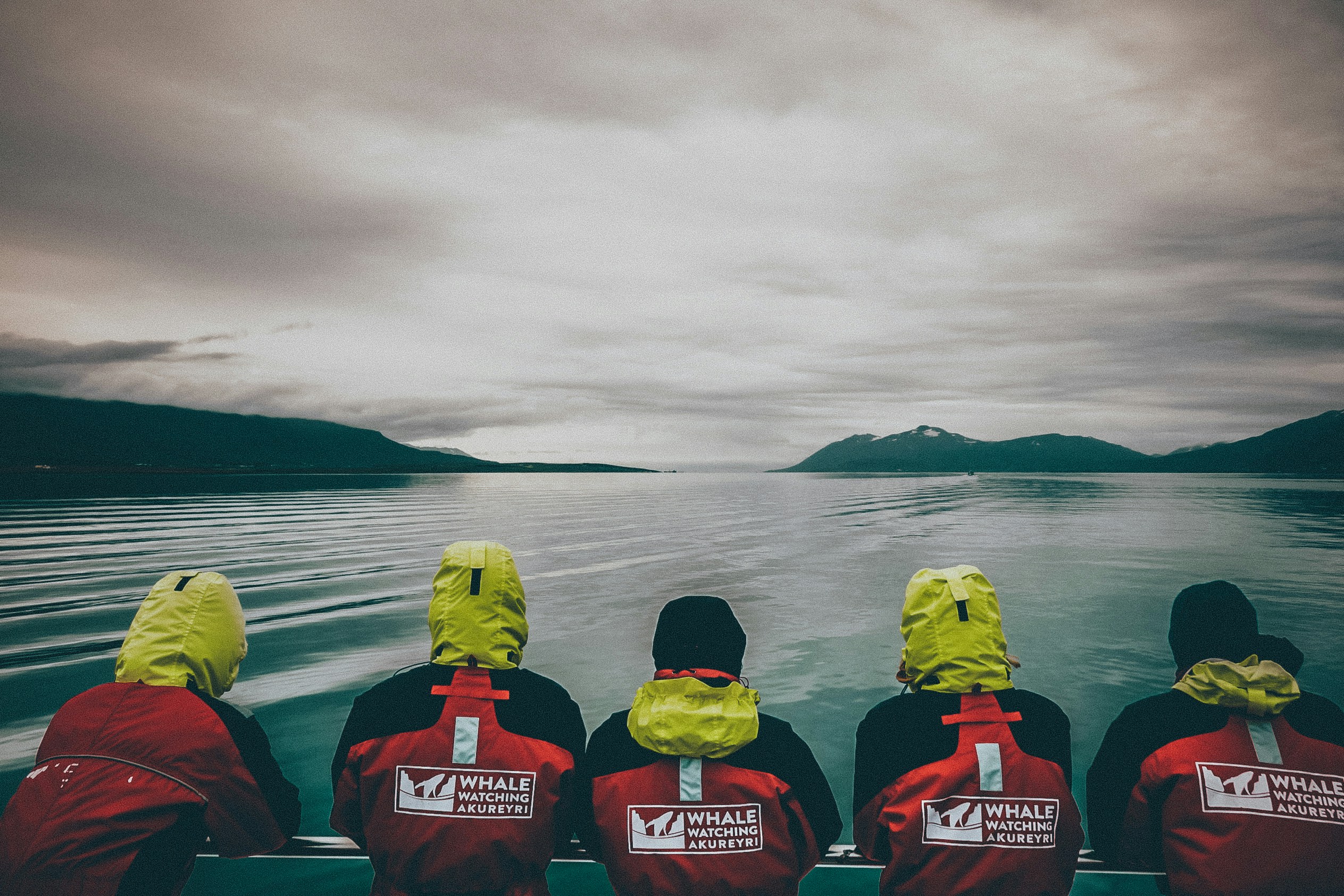
The partner summit, the annual or bi-annual gathering of the company’s most important external relationships, has the same structural problem as the client entertainment and the corporate retreat: it is organised around the wrong objective. The stated objective is usually relationship building, which is correct.
The actual activity is usually a series of presentations and structured sessions and meals at restaurants that the company has selected for their impressiveness, all of which communicate that the company values the relationship enough to invest in it rather than producing the relationship that the investment was supposed to build.
The relationship is not built by communicating that you value it. It is built by being in an experience that produces the genuine mutual understanding that the word relationship is trying to describe. The partner summit that works is the one that produces this. Most partner summits do not, because the structure of the event does not provide the conditions that genuine mutual understanding requires.
What the Offshore Summit Produces
Four to six external partners on the Eighty2 for three to five days in the Mediterranean or the Caribbean is a partner summit in the form that produces the relationship rather than communicating about it. The conditions are the conditions: the shared experience of the anchorage and the passage and the Long Table with no agenda and the watch rotation if the partners want to participate.
The professional context that shapes every interaction in the conventional summit setting is replaced by the offshore context that shapes interactions differently: by proximity, by genuine shared experience, by the specific quality of time that has no agenda and no presentation and no impression to manage.
The Long Table on the Naora voyage has no agenda by design. One person opens a conversation. The table follows it. The conversation that emerges is the conversation that the gathering actually needed rather than the conversation that the summit programme scheduled.
The partner relationship that advances most specifically at the Naora table is the one that had the most to advance: the relationship where both parties knew there was something important that the structured setting had not yet allowed them to say directly. The offshore context allows it. The Long Table provides the occasion for it. The relationship moves.
The Night Watch Investment
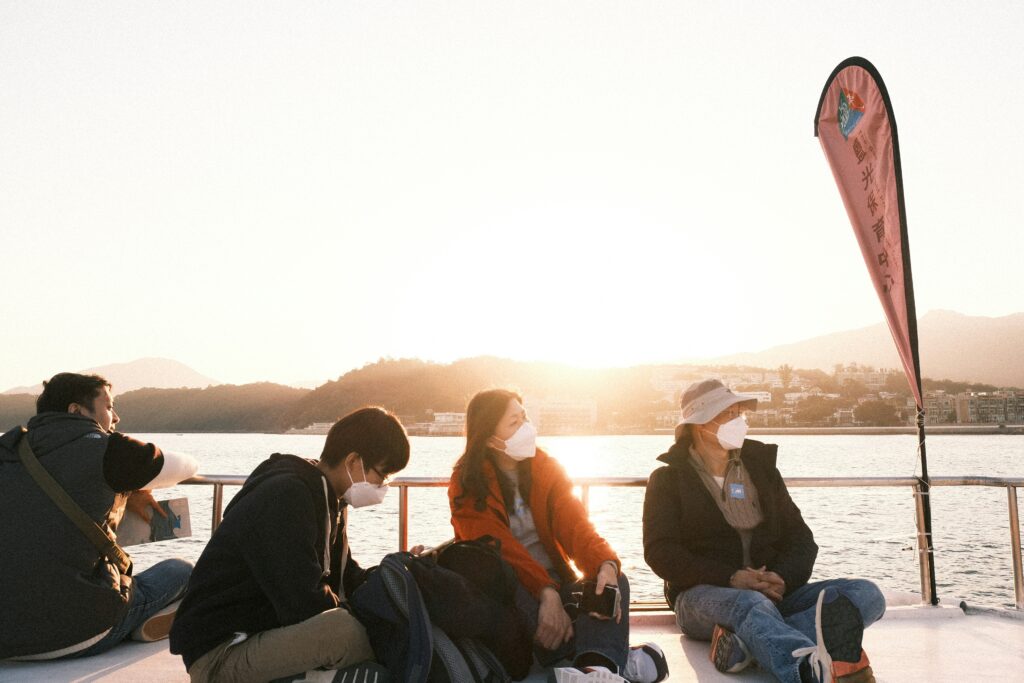
The night watch is available to partners who want to participate in the passage. Three hours alongside a colleague or a partner contact at two in the morning, nowhere else to be, responsible for the boat in a real and specific way, the conversation produced by the conditions rather than by an agenda.
The relationship between two people who have stood the night watch together in the Pacific or the Mediterranean is qualitatively different from the relationship between two people who have attended the same summit dinner. Not more commercial necessarily. More human: the mutual understanding that genuine shared experience produces and that the managed event, however excellent, does not.
The partner summit that works is the one that produces this quality of relationship in some form for some of the people who attend it. The Bluewater Private summit on the Eighty2 produces it structurally: the offshore context, the Long Table, the night watch, the shared anchorage at dawn, are all conditions that produce genuine mutual understanding rather than the performed version of it that the conventional summit setting consistently delivers.
The Bluewater Private summit costs what it costs. The relationship it produces lasts longer than the one the conventional summit produces, and the commercial outcomes that relationships produce last in proportion to the quality of the relationship that produced them.