Southeast Asia has a specific relationship with time that the European sailing season does not prepare you for. The best things happen very early in the morning or very late at night, and the hours in between are managed accordingly. The fish auction at four in the morning, the night market that starts at nine in the evening and runs until two, the breakfast noodle shop that opens at five and is out of its best dishes by seven: if you are coming from a context where the interesting hours are nine to five, Southeast Asia requires a recalibration.
My parents and I have been coming to Southeast Asian ports since I was a teenager, and the shift to the early morning and late night has always been one of the things I love most about arriving here. The boat sleeps. I go ashore. The city is doing something extraordinary.
Penang: George Town Before the Heat
George Town on Penang island is one of the finest food cities in Asia, which is a significant claim given the competition. UNESCO World Heritage for its colonial architecture, but what matters to me is the hawker culture: the outdoor food courts where individual stalls have been cooking the same specific dish for decades, sometimes for generations, and where the quality of what emerges from a wok in an open-air setting is as high as anything served in a restaurant.
We arrive in George Town in the morning and go ashore immediately. The char kway teow stall near the Chowrasta Market opens at six and has a queue by six-fifteen. The laksa stall two streets over is open by seven. The kopitiam, the old Chinese coffee shop with the ceiling fans and the marble tables, has been serving the same white coffee and half-boiled eggs since the 1960s and sees no reason to change now.
I have had breakfasts in George Town that I have thought about for months afterwards, and I have had them from a stall on a plastic chair at half past six in the morning with the city still cool around me.
Hoi An: The Fish Market at Five
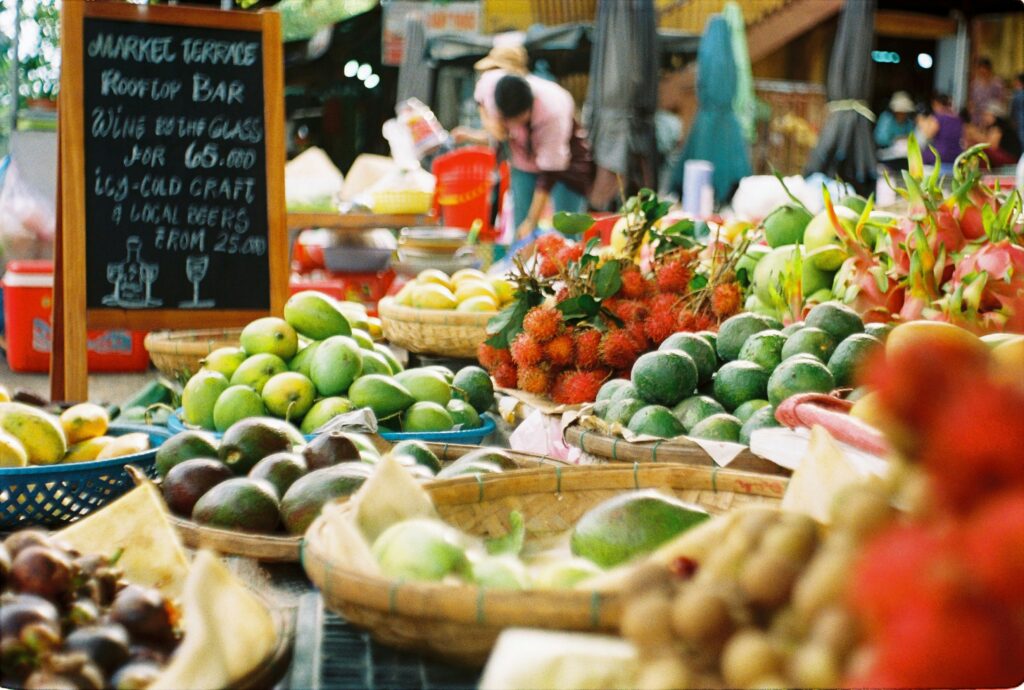
The fish market in Hoi An opens before dawn. The fishing boats that have been out since the previous afternoon come in on the tide and offload their catch while the market vendors sort and price and sell at a speed that requires total attention to follow. By seven in the morning it is largely over and the market settles into its daytime mode. The extraordinary version of it, the one where the city is operating at its highest intensity and the fish is coming directly off the boat into the buyer’s hands, is a five o’clock event.
I go to the Hoi An fish market at five every time we are there. I stand at the edge of it and watch and occasionally buy something for the boat when I see something that the chef will love, which is usually. The mai chao, the small motorised baskets, arriving across the water in the pre-dawn darkness, the women sorting fish by lamplight, the negotiation conducted entirely in Vietnamese at a speed I will never follow: this is one of the scenes that stays most specifically in my memory from the Southeast Asia chapter, and it is available only to people who are awake at five in the morning and willing to go ashore in the dark.
The Night Market in Thailand
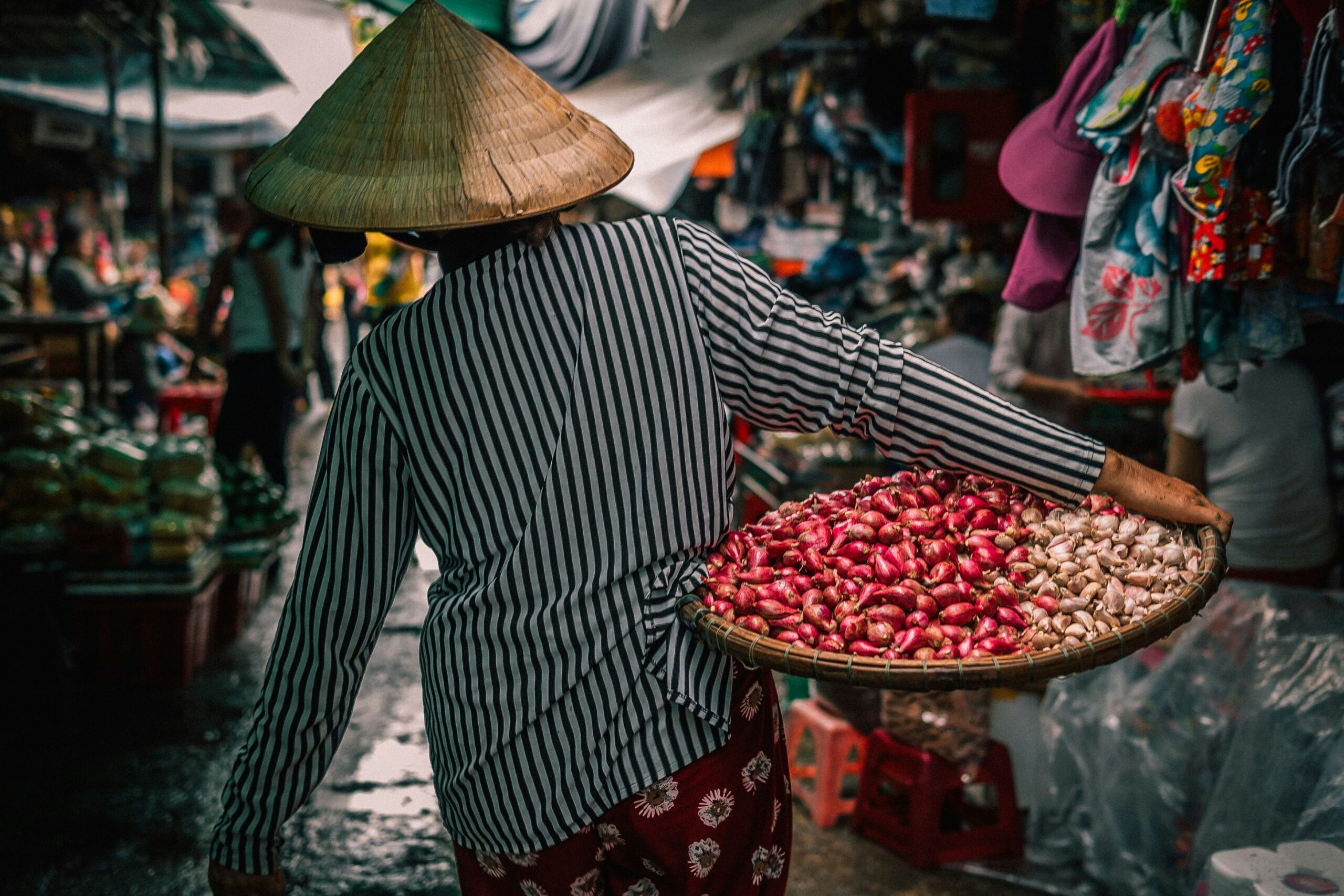
Thai night markets vary in quality and character from the completely tourist-oriented to the entirely local, and learning to distinguish between them is one of the skills that the Southeast Asia leg teaches. The completely local version, the one in the town behind the marina that the tourist maps do not include, runs from about seven in the evening and operates on the assumption that everyone there is Thai, which means the food reflects Thai preferences rather than a foreigner’s idea of them.
My father has a nose for the local night market. He looks for the places where nobody speaks English to him until he asks a direct question, where the menu is a handwritten board in Thai, where the larb and the som tam and the grilled fish on charcoal have the specific intensity that happens when food is prepared for people who grew up eating it rather than for people who have heard about it.
We go to these markets in groups when we can and we point at things that look interesting and we eat what arrives. It has never been a disappointment.