When people who have never been offshore ask about the medical situation on a five-year circumnavigation, the question is usually framed as a concern: what happens if something goes wrong? It is the right question. It deserves a direct answer rather than a reassurance that nothing will go wrong, because something can always go wrong and the preparation for that possibility is exactly what makes the concern unnecessary.
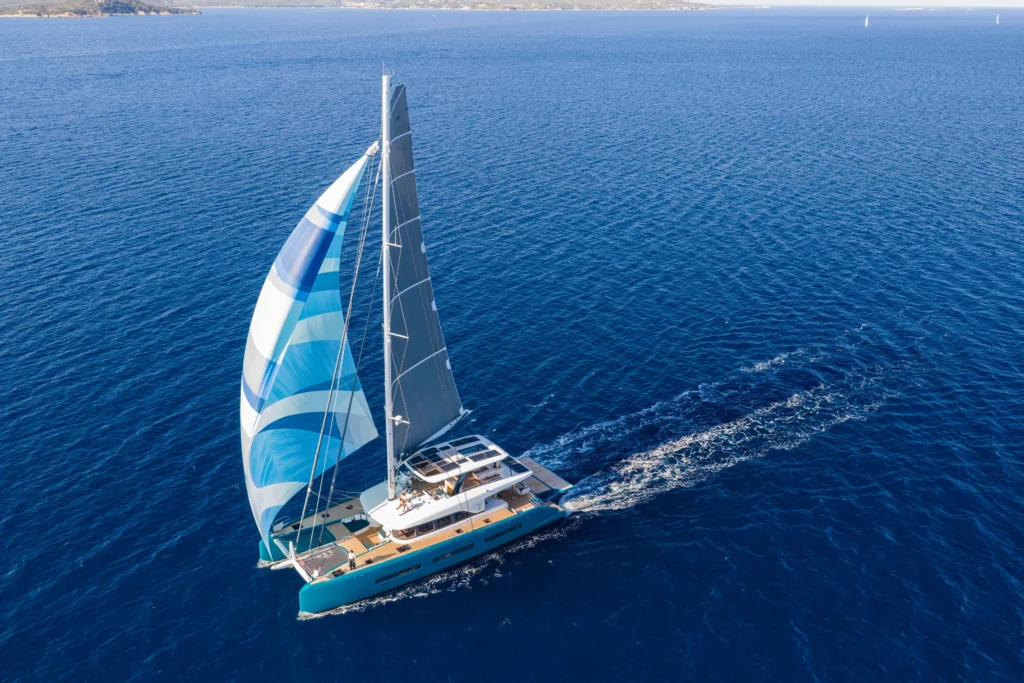
The Eighty2 is equipped to manage the full range of situations that can occur offshore: from the minor, a cut from a fishing hook or a dental problem or a case of food poisoning, to the serious, a significant injury or a medical emergency that requires professional intervention. Not as a hospital ship, which it is not. As a self-sufficient offshore vessel operated by a trained crew with the equipment and the communication systems to manage any situation for long enough to reach professional help.
The Kit
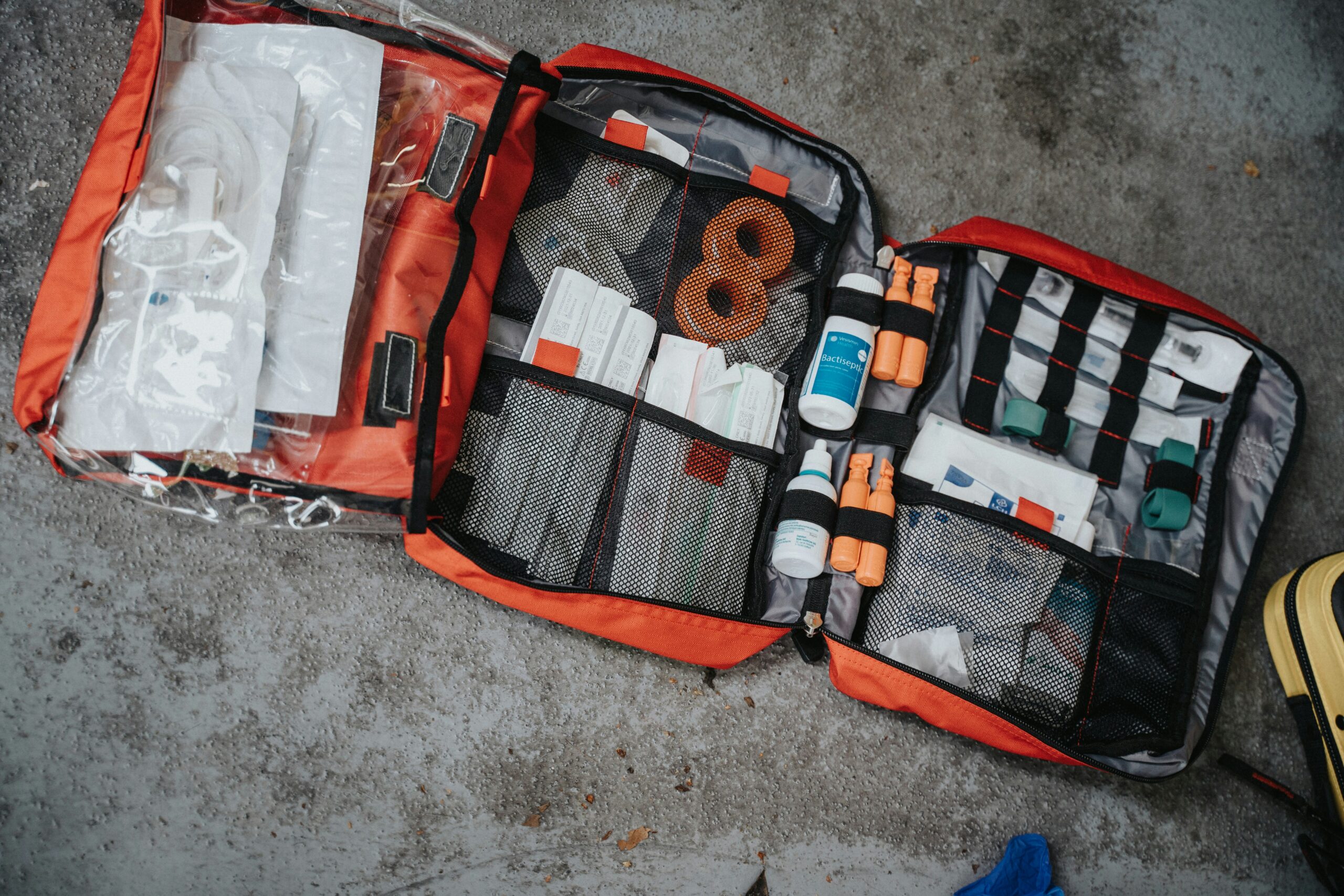
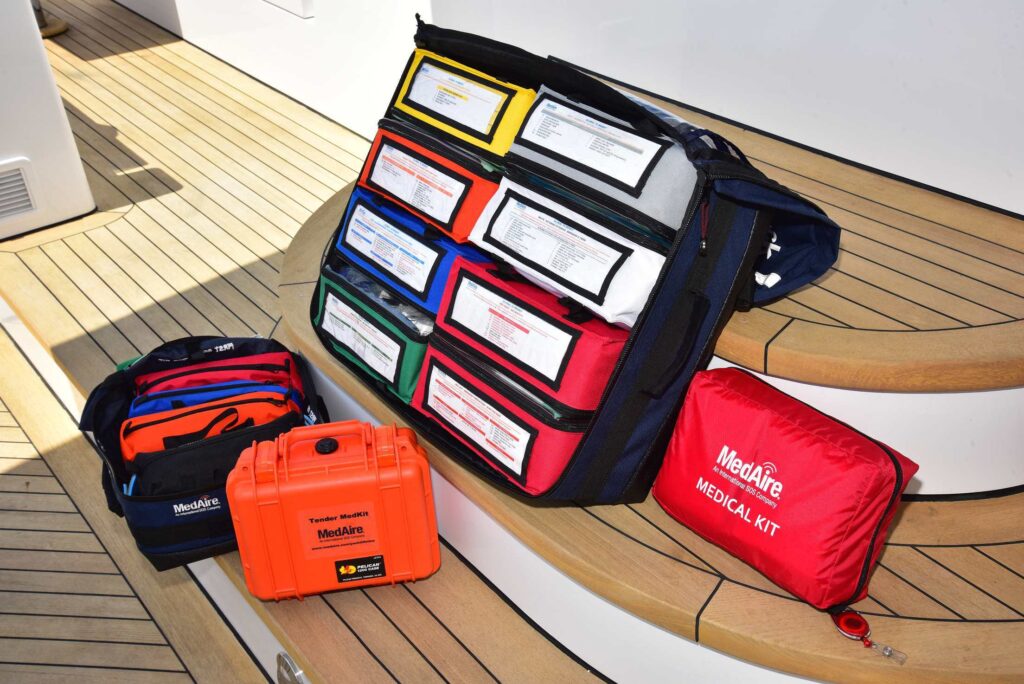
The medical kit is comprehensive and specifically assembled for the offshore context rather than assembled from a standard first aid list. It includes prescription-strength analgesics for pain management that cannot wait for the next port. Broad-spectrum antibiotics for infection that in an offshore context requires early treatment rather than the watch-and-see approach that works on land with a pharmacy two streets away. A dental emergency kit with temporary filling material, clove oil, and the instruments to manage a broken
tooth or a lost crown for however long it takes to reach a dentist. Wound care supplies including suture strips, wound closure adhesives, and irrigation equipment for the thorough cleaning that deep wounds require before closure.
The kit also includes an automated external defibrillator, which is standard equipment on a commercial vessel of this category and which is maintained and tested on the same schedule as all safety equipment. The AED requires no medical training to use: it provides spoken instructions throughout the process and delivers the shock automatically when appropriate. It is there because cardiac events can occur anywhere and the offshore context does not exempt anyone from that statistical reality.
The Training
The holds the STCW medical first aid certification required for commercial vessels operating offshore. This is not a basic first aid course. It is a certification that covers the assessment and management of serious medical situations in a remote environment, with the specific constraints of being at sea: no immediate evacuation, limited equipment, and the need to make and act on decisions without physician oversight. The crew as a team trains on medical scenarios as part of the safety drills conducted at the start of every significant passage.
For situations that exceed what the onboard kit and training can manage, the Eighty2 has access to remote medical consultation via satellite communication. Services exist specifically for offshore vessels that connect the crew with physicians by voice or message from any position on the ocean. The physician receives the patient’s situation and provides diagnosis guidance and treatment advice. This capability is available from the middle of the Atlantic, the middle of the Pacific, the outer Tuamotu atolls, and every other position on the route where a shore-based medical facility is days away.
What Members Bring
The onboard kit covers the situations that arise at sea regardless of who is aboard. What members bring is the medication specific to their own health: regular prescriptions in sufficient quantity for their full stay plus a buffer of several days, in original packaging. Any medication that requires refrigeration or careful timing communicated to us before boarding so the environment is ready. Any significant allergy or medical history shared through the pre-boarding health form, which is handled with complete discretion and used only to prepare appropriately for the member’s time aboard.
The preparation behind the medical capability on the Eighty2 is substantial. It is also, by design, largely invisible to the people aboard: the kit is stored, the training is current, the communication systems are functional, andthe preparation produces confidence rather than anxiety. Most members complete their time aboard without any need for any of it beyond the seasickness remedies in the first 48 hours. The rest is there for the situations that the sea produces without consulting the schedule. We are ready for them. You do not need to be.