The people who know a harbour know it at six in the morning. Not the harbour that the tourists see, which begins at nine when the cafés open and the excursion boats start their engines and the organised day asserts itself over whatever the harbour actually was before the organisation arrived.
The harbour at six belongs to a different population: the fishermen returning from the night’s work, the charter skippers making their departure checks before the clients come down the dock, the liveaboard sailors who have been awake since five because the early morning is the best part of the harbour day and they have learned not to sleep through it.
I have been part of this early morning population since I was old enough to climb off the boat unassisted. Not because anyone required it of me but because the early morning harbour was more interesting than sleeping, and the specific quality of what it contained, the light, the sounds, the specific small transactions of people who are working rather than visiting, was available only in that window before the day organised itself around the visitors.
The Light
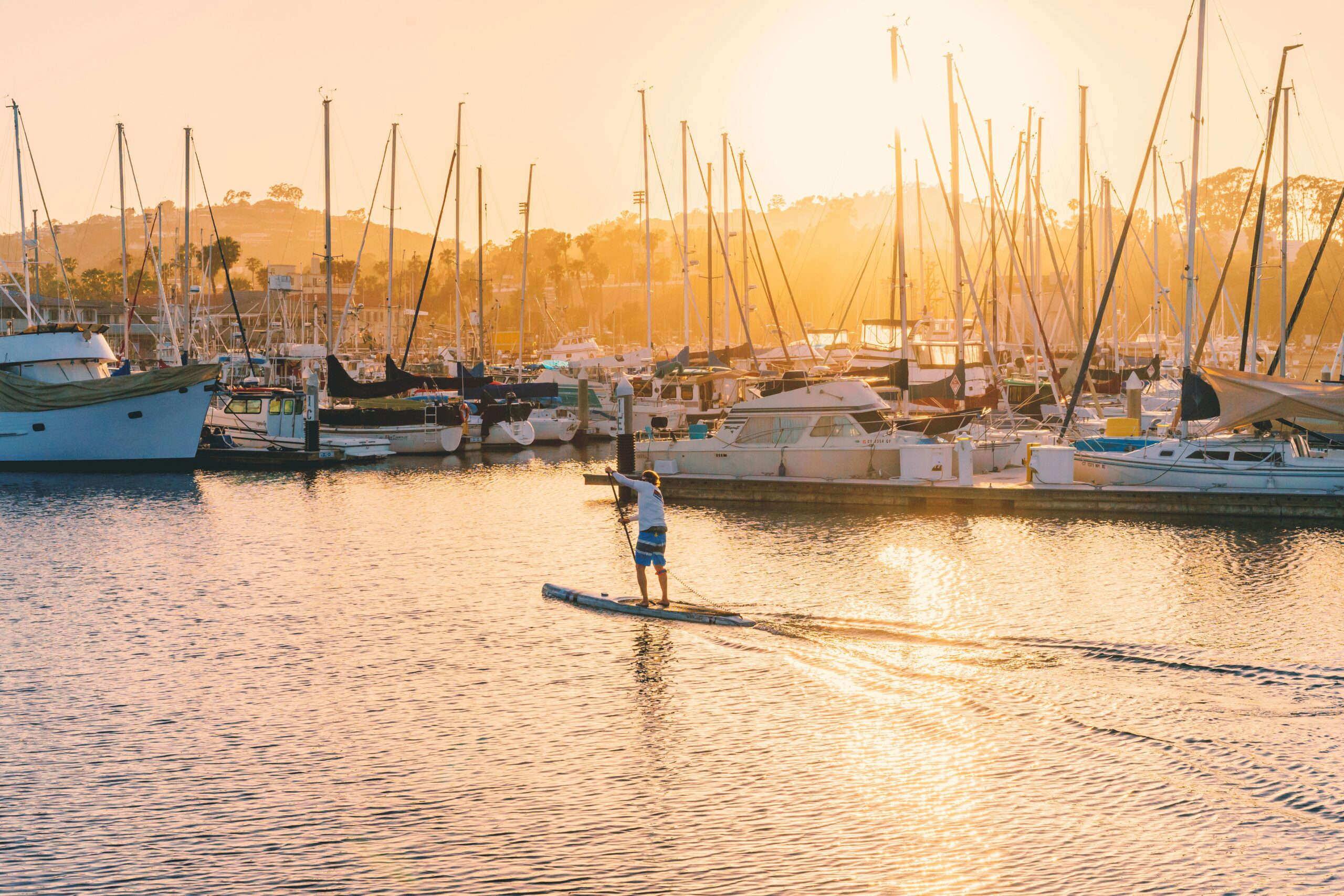
The light at six in the morning on the water is specific in a way that the light at any other time of day is not. The sun is low enough that it comes across the water at the angle that turns the surface into something that moves between mirror and gold depending on the second and the slight shifts in the wind that ripple it. The boats at their moorings cast long shadows across the water that shorten as the hour passes.
The hulls that were grey in the pre-dawn become white and blue and red as the light builds, and the specific moment when the light is sufficient to see the colours but not yet sufficient to wash out the subtleties between them is perhaps thirty minutes long and is the finest light available in any harbour anywhere on the Naora route.
In the Greek islands this light comes later in the summer because the sun rises over the hills rather than over the water and the harbour is in shadow until the sun clears the ridge above it. In the Turkish Aegean the light comes earlier and flatter across the water from the direction of the open sea, and the first hour of it is the hour that the octopus fishermen use to check their traps before the heat builds and the octopus retreats deeper.
In the Tuamotu the light comes from a horizon that is perfectly flat in every direction and the transition from dark to full day takes less time than anywhere else on the route because there are no hills to hold the shadow and the sun is vertical within an hour of rising.
The Sounds
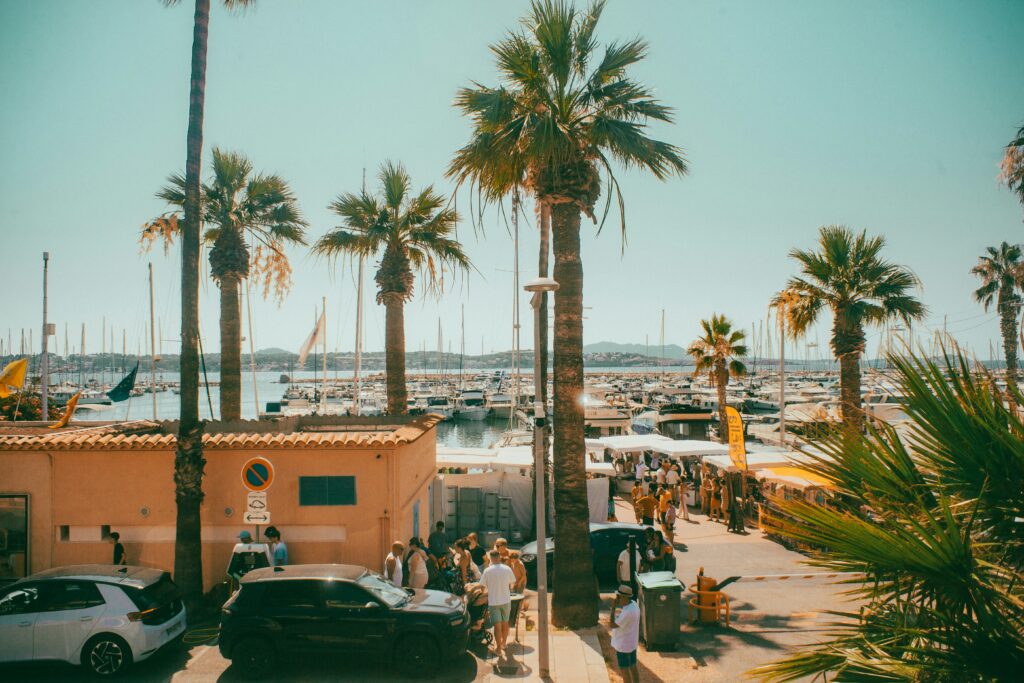
The sounds of a marina at six in the morning are the sounds of the boats moving in the water rather than the sounds of the people on the boats. The halyards tapping against the masts in the light air that comes from the sea before the land heats and reverses the circulation.
The water moving against the hulls: not the sound of a boat underway, which is purposeful and directional, but the sound of boats at rest in a medium that is itself in motion, the gentle irregular knock and slap of water against fibreglass and steel that is the specific lullaby of the marina berth and that the people who have slept aboard all their lives hear as silence in the same way that the city dweller hears the traffic as silence.
The first engine of the morning, when it starts, changes the sonic quality of the harbour permanently for the day. Before the first engine, the harbour is the acoustic world of water and wind and the occasional sound of a human moving on a boat: the specific intimacy of a place that has not yet been claimed by the machinery of the day. The six o’clock harbour is the harbour as itself rather than as infrastructure. I am always awake for it. I have never been disappointed.