Overtourism has reshaped the meaning of travel for an entire generation of wealthy explorers. The same harbors that once felt exclusive now host cruise ships disgorging thousands of passengers a day, the same beaches that once felt secluded now require a reservation, and the same coastal towns that once felt undiscovered now sell branded souvenirs at every corner. For travelers who remember what these places felt like before, the disappointment is real, and it has fueled growing demand for destinations that mass tourism has simply not reached yet, however far they may lie from the usual routes.
This demand sits at the heart of how we designed Naora’s route. Rather than concentrating our five year circumnavigation aboard the Lagoon Eighty2 around the familiar Mediterranean hotspots that dominate most charter itineraries, we have deliberately woven in long stretches along coastlines that remain genuinely remote, from the eastern Mediterranean and Red Sea through to East Africa, the Indian Ocean, and far beyond, picking quiet stretches over crowded ones whenever a genuine choice exists.
Why Overtourism Keeps Spreading
The mechanics behind overtourism are fairly straightforward. A destination gains attention, often through social media, infrastructure follows that attention, and the resulting accessibility draws far larger crowds than the original appeal of the place could ever sustain. Within a few seasons, the qualities that made a destination special in the first place, its quiet, its authenticity, its sense of distance from everyday life, have been worn away by the sheer volume of visitors arriving to experience exactly that.
The pace of this cycle has accelerated noticeably over the past decade. Destinations that once took generations to transform from hidden gem to crowded attraction now make that same transition within a handful of years, sometimes faster. A single viral image can redirect tens of thousands of visitors toward a previously quiet bay within a single season, and the local infrastructure built to accommodate them rarely disappears again once the initial wave of attention fades.
A private vessel offers one of the few remaining ways to step outside this cycle entirely. Without the infrastructure demands of large hotels or cruise terminals, a sailing yacht can reach anchorages that remain genuinely difficult to access by any other means, simply because there is no road, no airport, and no marina built to receive larger numbers of visitors. This same independence is what allows our route to keep shifting toward quieter coastlines as familiar ones inevitably grow busier over time.
What Makes a Coastline Genuinely Remote
Not every quiet-looking bay qualifies as genuinely untouched. We look closely for several specific qualities when selecting anchorages along the route:
- No direct road access from major population centers
- Limited or no commercial tourism infrastructure nearby
- Coastlines that remain difficult to reach without a capable vessel
- Local communities that have not been substantially reshaped by mass visitor numbers
- Marine environments that remain largely undisturbed by heavy boat traffic
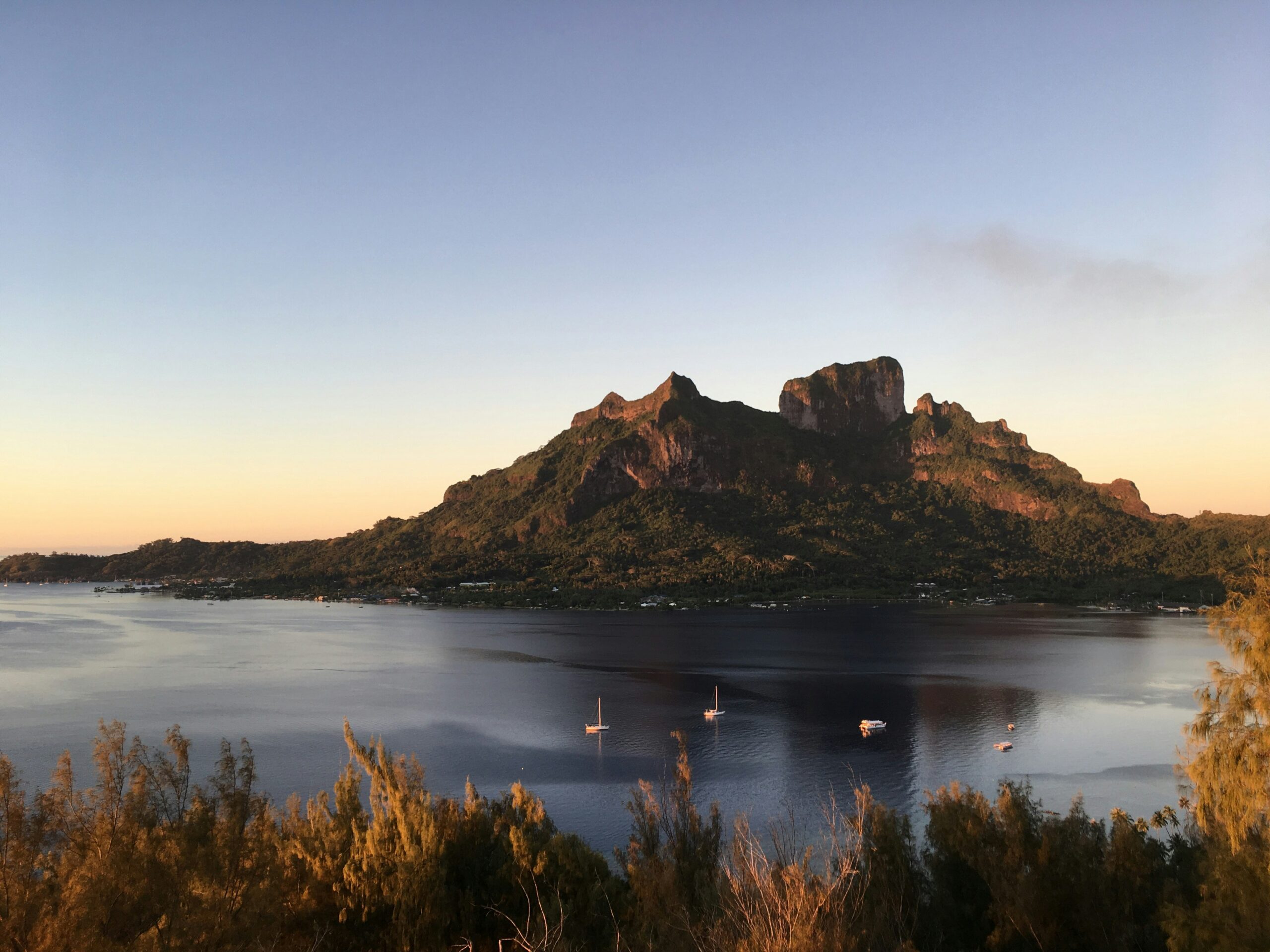
East Africa’s coastline offers a strong example of all five qualities at once. Stretches of shoreline that would be considered prime beachfront real estate almost anywhere else in the world remain remarkably undeveloped, simply because the broader region has not yet attracted the same scale of tourism infrastructure found across much of the Mediterranean or Caribbean.
The Red Sea presents a similar case from a different angle. Its waters host some of the healthiest reef systems remaining anywhere on the planet, largely because navigational conditions and historical access challenges have kept large scale tourism development from taking hold along significant stretches of its coastline. We route our own crossings through this region from north to south specifically, taking advantage of favorable winds while keeping clear of areas where conditions and access remain less predictable further south.
The Responsibility That Comes With Access
Reaching a genuinely untouched coastline carries an implicit responsibility to keep it that way for as long as possible. We brief every group joining a remote leg on local customs, reef etiquette, and waste management before arrival, and we work to ensure the communities we visit benefit from our presence rather than simply tolerating it. The goal is never to discover a place and inadvertently contribute to the same cycle of overtourism we are trying to avoid in the first place.
We also limit how frequently the Eighty2 returns to any single remote anchorage within a given season, treating these places with the same restraint we would want extended toward our own home waters. A handful of careful, well-briefed visits each year does far less cumulative damage than the steady traffic that tends to follow once a destination becomes more widely known, and we would rather forgo some convenience in scheduling than risk eroding the very quality that drew us to a place initially.
Overtouristed Hotspots Versus Naora’s Remote Anchorages
| Factor | Typical Overtouristed Destination | Naora Remote Anchorage |
|---|---|---|
| Daily visitor volume | Hundreds to thousands | 10 to 12 guests |
| Access | Roads, airports, cruise terminals | Reachable primarily by vessel |
| Local infrastructure | Extensive, often resort-driven | Minimal to none |
| Environmental pressure | High and increasing | Low, carefully managed |
| Sense of discovery | Largely diminished | Genuinely preserved |
A Route Built Around Genuine Discovery
Our 183 plus destinations were not selected primarily for their fame. Many of them appear on very few travel itineraries at all, chosen instead because they offer the kind of unspoiled coastline that has become genuinely rare elsewhere. Members joining these legs frequently tell us they had never heard of the specific anchorage beforehand, and that the absence of any prior expectation made the experience feel even more vivid once they arrived.
This is, in many respects, the entire point of the journey. A circumnavigation built around already-famous ports would offer comfort and recognition, but very little genuine discovery. Ours is built instead around the conviction that the most memorable places left to sail to are precisely the ones that have not yet found their way onto a postcard.
Selecting these destinations requires far more research than simply consulting a popular cruising guide. Our route planning draws on local maritime knowledge, historical charts, and direct scouting of anchorages well before they appear on any published leg of the journey. This groundwork is part of why our route can include so many genuinely remote stops without compromising on safety or the quality of the experience once members are aboard.
Sailing Toward What Is Left
As more of the world’s coastline becomes shaped by mass tourism, the value of what remains genuinely untouched will only continue to rise. We see our role as helping a small number of members reach those remaining places thoughtfully, before the same forces that reshaped so much of the Mediterranean and Caribbean inevitably arrive elsewhere too. The Eighty2 was built to make that kind of access possible without contributing to the very problem it is designed to avoid, leg after leg, season after season.
If the appeal of travel has always been the sense of discovering somewhere genuinely new, we would welcome a conversation about which remote leg of the route might be worth exploring first, and what kind of coastline still waits there largely undisturbed.