The skipper-entrepreneur who builds a shared sailing concept alone is building on a foundation that will crack under the specific combination of demands that the concept requires. Not because the person is inadequate. The people who attempt this are typically extraordinary: skilled sailors, genuine visionaries, people who have seen what offshore sailing does to communities and who have committed to making that experience available in a structured form.
Because the requirements of the concept are structurally incompatible with what one person can sustain across the duration that the concept requires to prove itself.
Consider what the concept requires simultaneously. The captain must be offshore-qualified, experienced across the regions the route covers, capable of the specific seamanship that extended offshore sailing in diverse conditions demands, and present on the vessel for the full duration of the voyage. The person responsible for the community must understand human dynamics, be capable of selecting the right members, building and maintaining the community culture, and connecting members across the intervals between passages.
The commercial operation must remain financially sustainable while running a significant vessel continuously for years. Member relationships need attention, partners need coordination, and the practical work ashore cannot wait for the next landfall. These demands require different skills and clear responsibility. One person cannot carry them all across five years without something breaking. A founding partnership needs a division of work, supported by a shore team that can keep things moving while the captain is at sea.
What Breaks First
In the single-founder sailing concept, what breaks first is almost always the community. The captain is good at sailing because sailing is what the captain trained for and what the captain’s identity is organised around. When the demands of the community management and the commercial operation compete with the demands of the sailing for the captain’s attention, the sailing wins: the captain is on the boat to sail, and when something has to give under the pressure of finite attention, it is the community management that gives first.
The community that is not being actively maintained is a community that is gradually becoming a group of paying guests rather than a genuine community of members. The difference is subtle in the first months and significant by the second year: the members who were part of a community stop feeling that way when the community’s specific qualities, the rituals, the connections between members, the culture of honesty and presence that the offshore context enables, are not being actively maintained by someone whose primary role is exactly that.
The captain who is also the community manager cannot maintain the community at the standard that makes it the reason the members joined rather than the boat and the route.

The Two-Founder Architecture
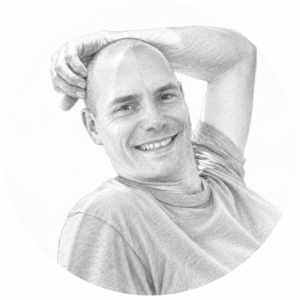
Naora has two founders, with a clear division of responsibility. Sven is the founder and captain: his role is the vessel, the seamanship and the safety of the voyage across five years and four oceans. He plans every weather window and sails every leg himself. Antony is the co-founder: his role is the community, the culture, the Long Table, the member relationships, the connection between members across the distances and the intervals that the circumnavigation produces.
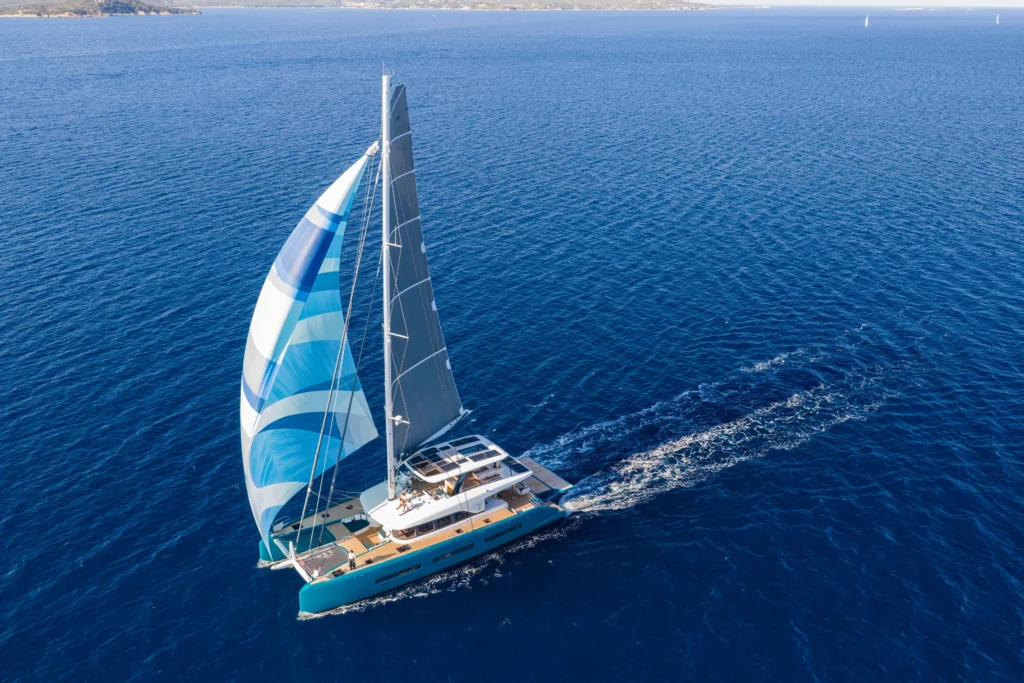
The practical work sits around that partnership, not on the captain’s shoulders alone. Sven leads the preparation of Discovery, our 2025 Lagoon Eighty2, for the specific demands of the voyage, with the shore team supporting vessel logistics and partner coordination. Antony oversees the commercial operation with support ashore. Together, we make sure that provisioning, rest and the daily routines of life aboard receive the attention that extended offshore passages demand.
The division does not mean that the two of us work in isolation. It means that neither depends on the other being available for every decision. Sven cannot give member relationships his full attention while navigating the Indonesian archipelago. Antony cannot take over the captain’s responsibility for a Pacific crossing. Clear ownership, shared planning and dependable support ashore are what make a five-year concept viable rather than aspirational. The single-founder alternative is not a more efficient version of the same thing. It leaves every competing demand with one person, and every part of the concept dependent on that person’s remaining attention.