People ask me this question regularly and I always resist the impulse to answer it with a ranking. The best anchorage I have found is not a comparative claim that can be defended with evidence. It is a specific, personal, contextual experience that happened once in a particular combination of circumstances that will never be exactly reproduced. What makes it the best is not the place alone but the place plus the moment plus the company plus the passage that preceded it plus the specific quality of light on the specific afternoon when the anchor first went down.
But I will tell you about it, because the description is more useful than the ranking and more honest about what makes an anchorage extraordinary.
The Approach
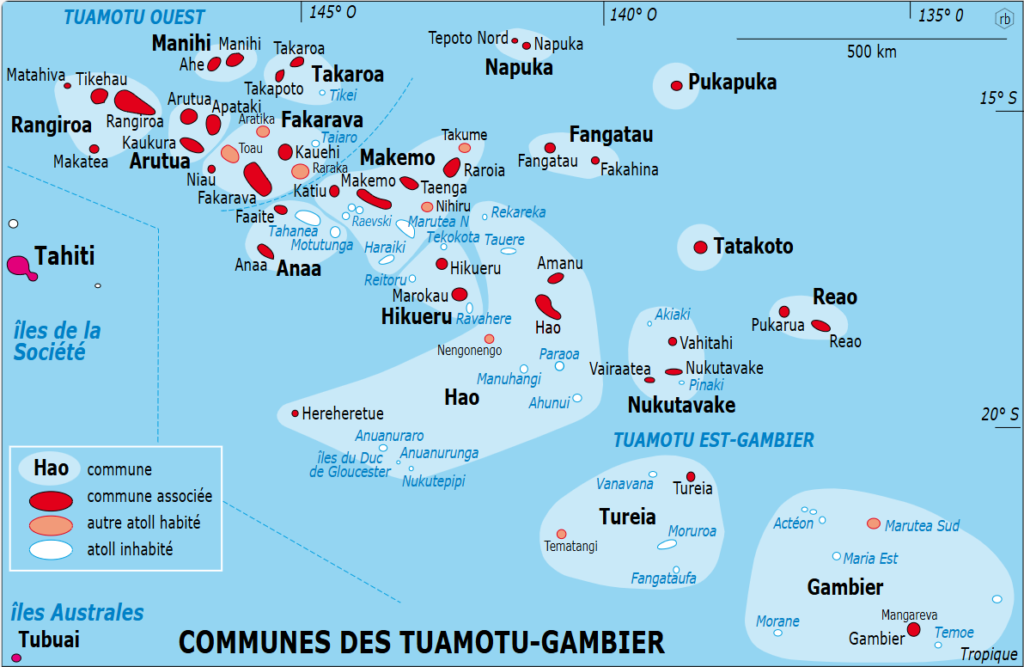
It was in the Tuamotu, on a passage between atolls in the late afternoon when the light was doing what late afternoon Tuamotu light does: turning the water from blue to gold and the coral from brown to something that glows. The chart showed a pass on the eastern side of the atoll that the pilot book described as usable in good conditions on a rising tide with the sun high. The sun was not high any more, which is why most boats would have stood off for the night and entered in the morning.
We had the satellite imagery on the laptop from a download three days earlier. The pass was clearer than the chart suggested: a wide sand channel with the coral on both sides, readable in the imagery, and the late sun, though lower than ideal, was still giving enough contrast to work with from the bow lookout. The tide was right. I made the call to go in.
Inside
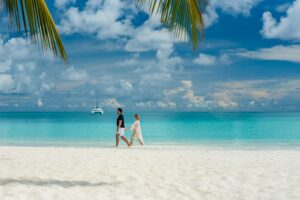
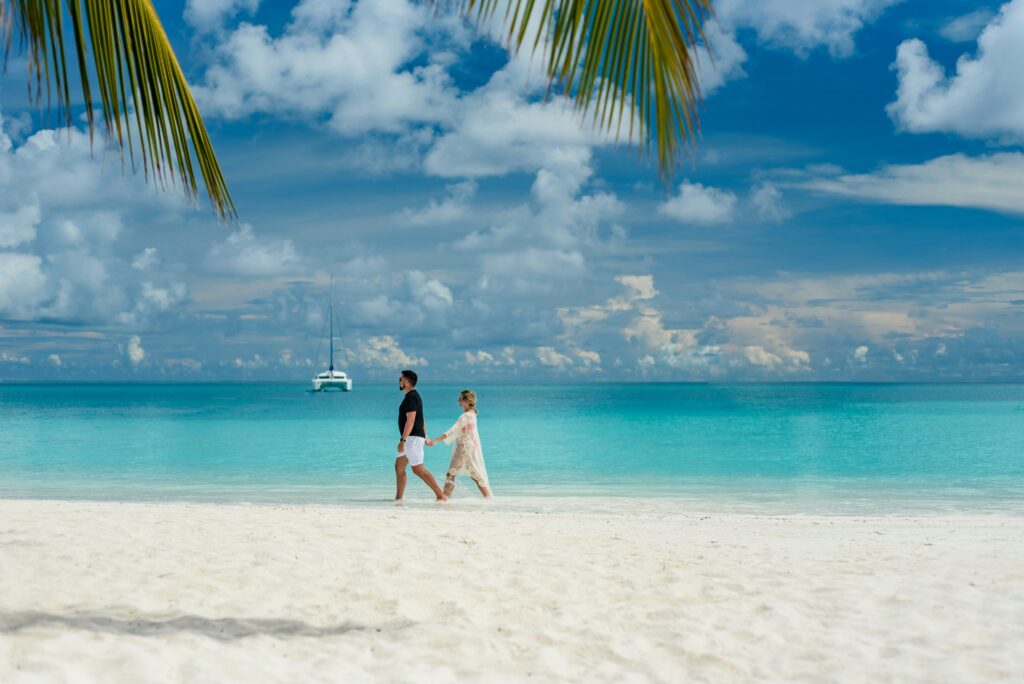
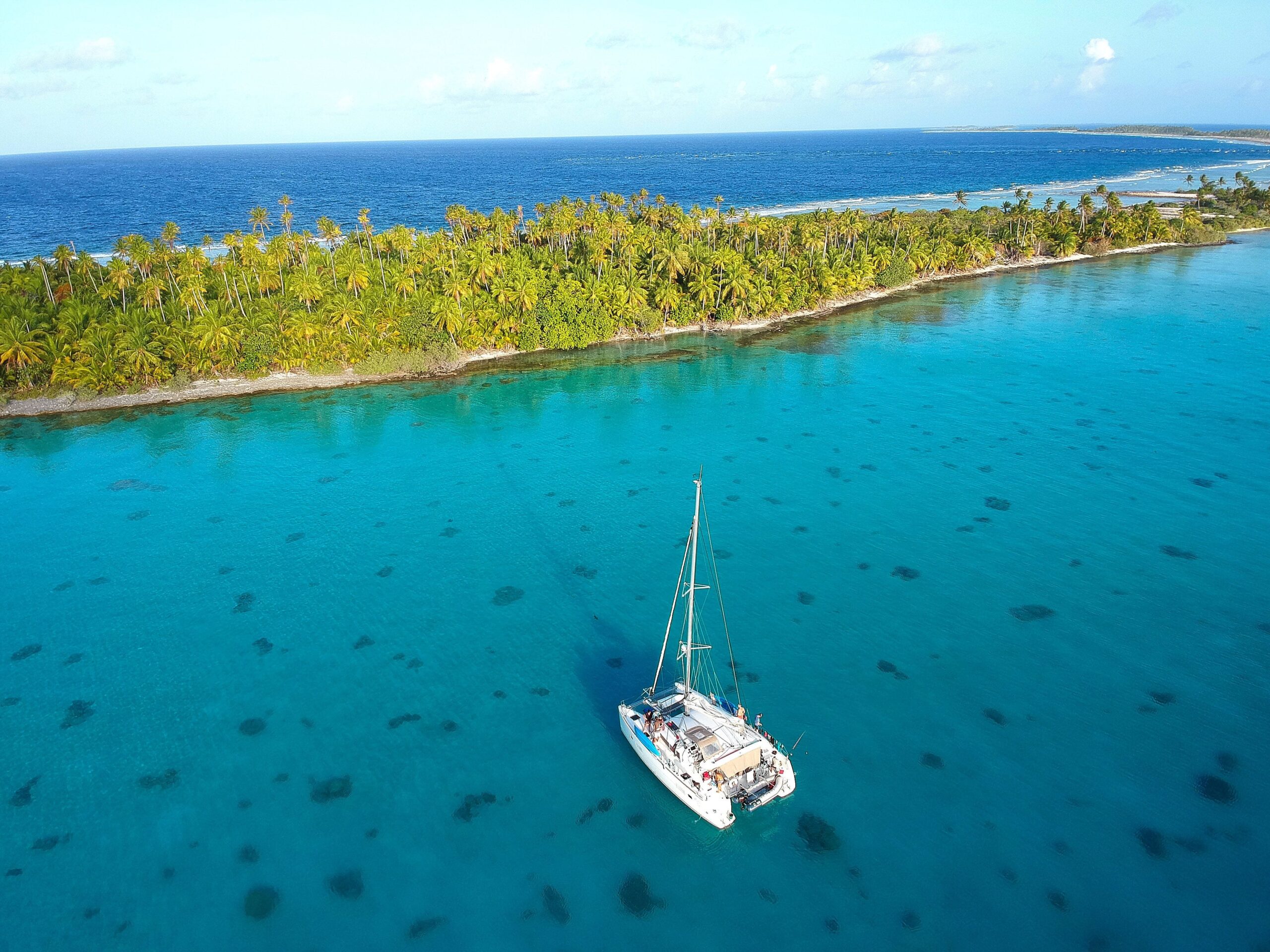
The lagoon inside was flat. Not the slight chop of an open anchorage but genuinely flat: the atoll ring breaking every swell before it entered, the interior water as still as a lake and the colour of something that does not have a name in most languages, a pale turquoise green that is specific to Tuamotu lagoon water in the late afternoon light and that I have not seen anywhere else in the world.
There was nobody else there. The pilot book mentioned that the lagoon was occasionally visited by passing yachts, but on this evening we were the only boat in approximately 100 square miles of enclosed water. The motu on the windward side had a palm grove, a strip of beach, and a frigate bird colony that was producing a continuous, remote sound across the lagoon. The water over the sand at the anchor was so clear that the anchor itself was visible from the bow, seven metres down, sitting in the sand as precisely and legibly as if it were in a swimming pool.
We swam before dinner. The water was warm and completely still and I could see the bottom in every direction from the surface, which is not a common experience even in places known for their clarity. The sun went down behind the motu and the sky did what it does and we ate on the afterdeck with the atoll around us and nobody said very much because the saying of things seemed less important than the being there.
What Made It the Best
It was not the most technically impressive anchorage on the route. It was not the most famous or the most scenically dramatic. What made it the best was the specific combination of things that produced it: the decision to go in despite the late sun, which required judgment that I had earned through previous entries. The satellite imagery that made the judgment possible. The flat lagoon water that resulted. The absence of any other boat. The swim before dinner. The meal after. The specific evening light that existed only on that evening in that lagoon and that I will not see again in exactly that form.
The best anchorage you will ever find is waiting somewhere on the Naora route. Not necessarily in the Tuamotu, though it might be. It could be a bay in the outer Solomons that we have not been to yet, or a cove in the inner Banda Sea, or something off the Seychelles outer islands that the chart shows and the pilot book mentions briefly and that reveals itself as extraordinary only after you have spent two days in it and understood what the light does in the morning and what the fishing produces in the afternoon and what the stars look like from the bow at midnight with the motu a dark shape against them.
It exists. We will find it together.