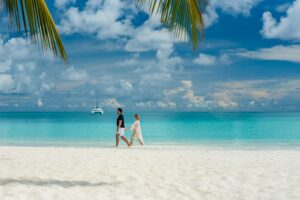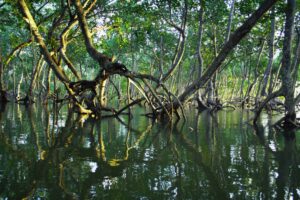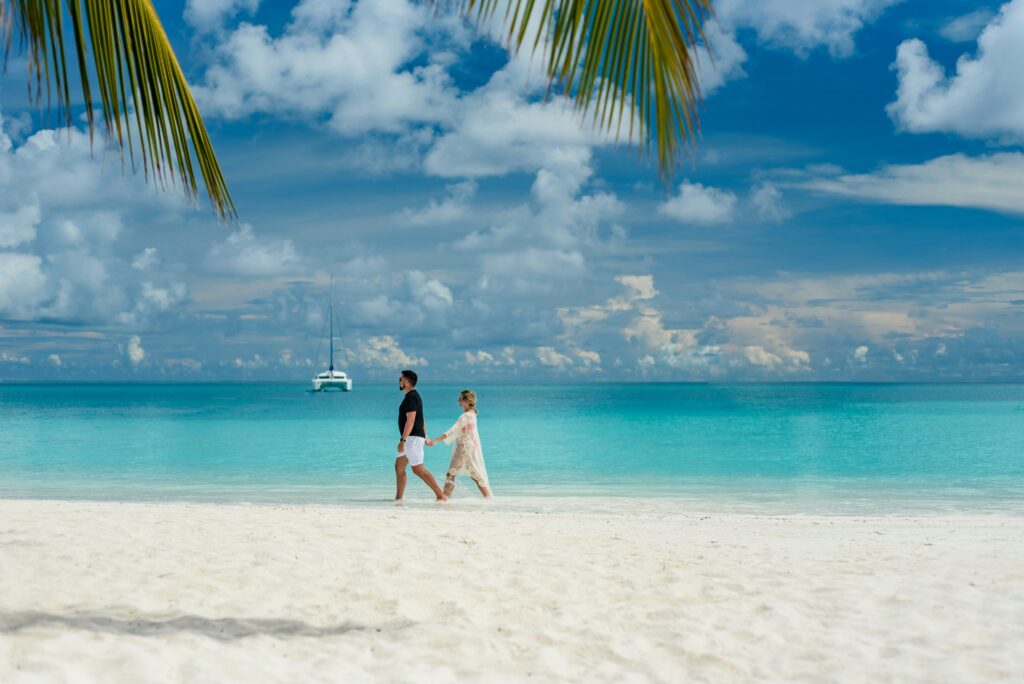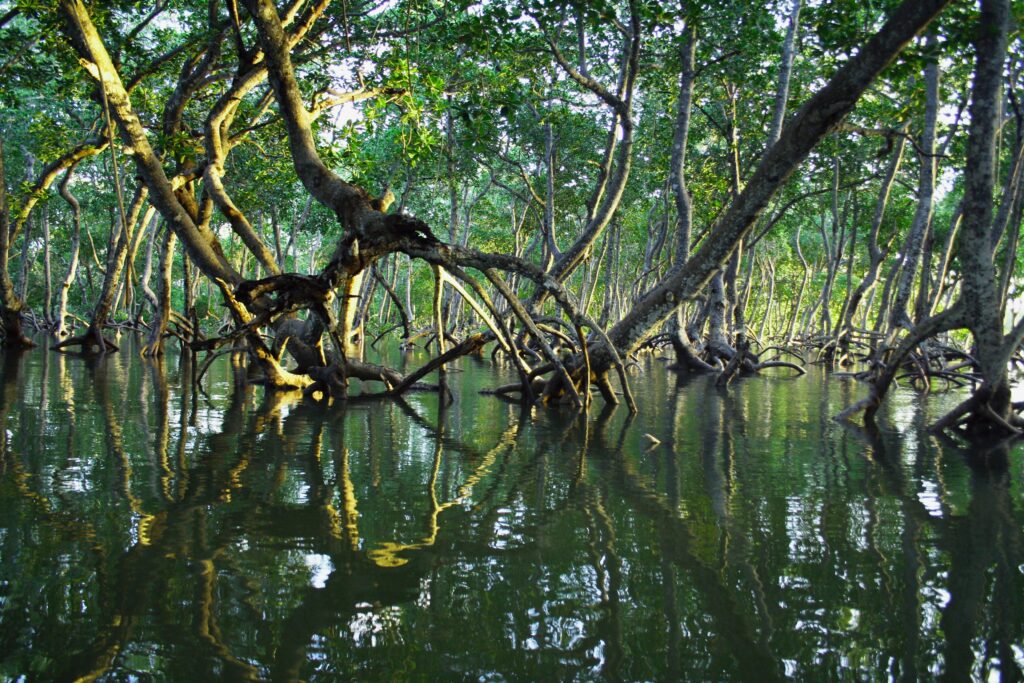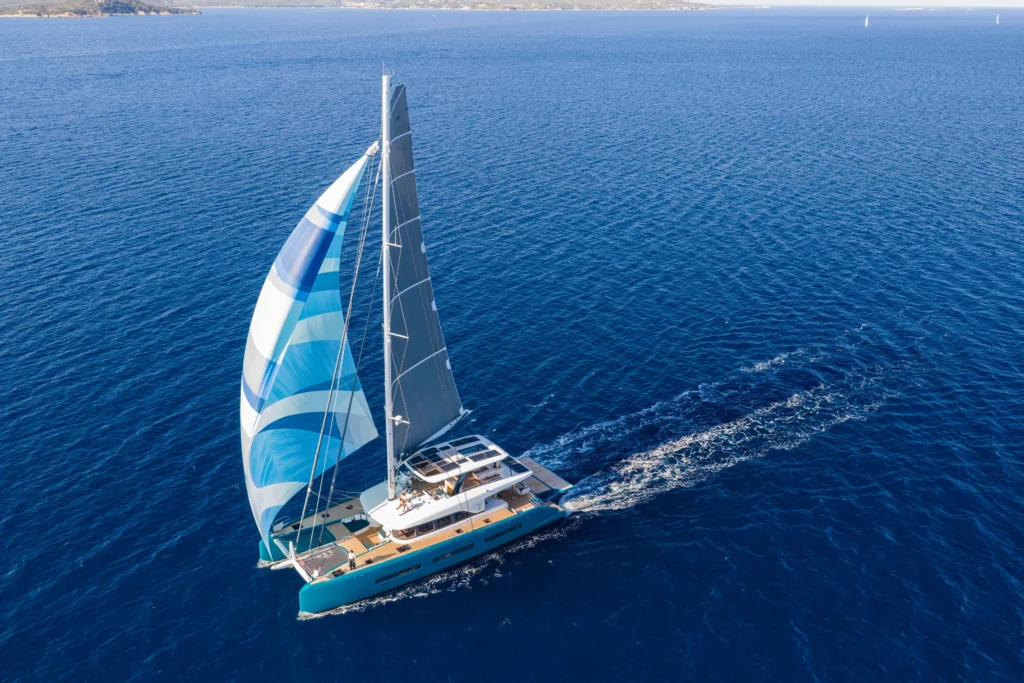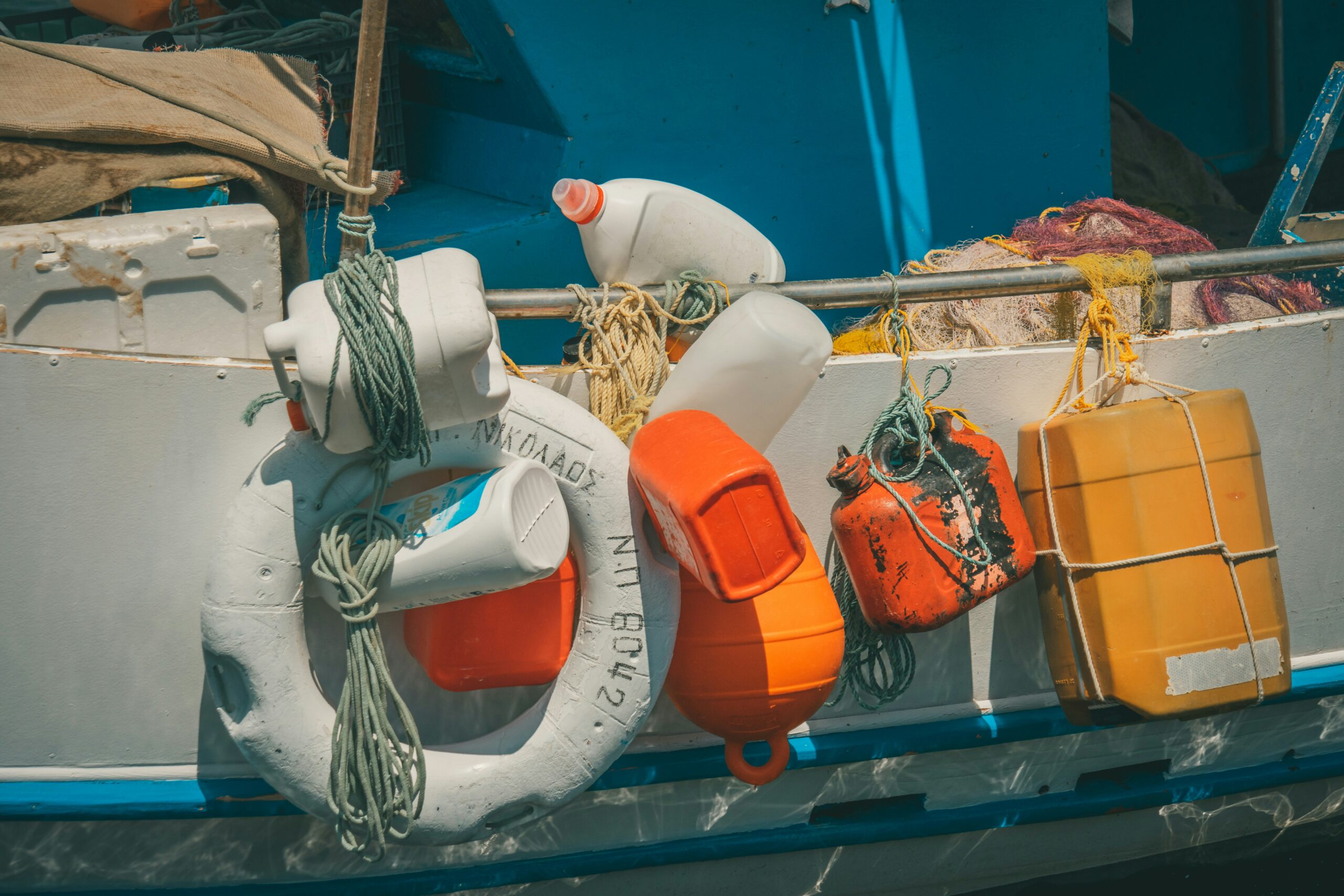
We sail through some of the most ecologically sensitive places on earth. The coral reefs of the Tuamotu, the marine park waters of the Komodo National Park, the pristine lagoons of Aldabra, the seagrass meadows of the Maldives: these are environments that exist in their current state partly because they have been spared the full weight of human activity, and they will continue to exist in that state only if the people who visit them treat the privilege of access with genuine respect.
We are direct about this. A five-year circumnavigation on a 24-metre catamaran has an environmental footprint. We do not pretend otherwise. What we do is think carefully about that footprint at every decision point where we have a choice, and make the choices that reduce it without compromising the safety of the vessel and the people aboard.
How We Anchor
The anchor is the piece of equipment that most directly affects the marine environment beneath the boat. Anchoring on coral kills coral. An anchor chain dragging across a reef system during a tide change can destroy decades of coral growth in a single night. We do not anchor on coral. This is not a guideline. It is an absolute rule.
Before anchoring in any area where coral may be present, we identify the sand patches using the same satellite imagery and bow lookout protocol that we use for reef navigation. We anchor in sand. We set the anchor conservatively, verify the holding, and assess the swing radius for the expected tide and wind change to ensure that the chain cannot reach the coral during the night. In areas where mooring buoys have been installed specifically to protect the seabed, we use them.
In protected marine parks and national park waters, we follow all local regulations without exception. Some of the most beautiful anchorages on the route, including parts of the Tuamotu, the Komodo National Park, and the Maldives marine protected areas, have specific rules about where anchoring is permitted and where it is not. We know these rules before we arrive and we comply with them regardless of what other vessels in the anchorage are doing.
Waste and Plastics
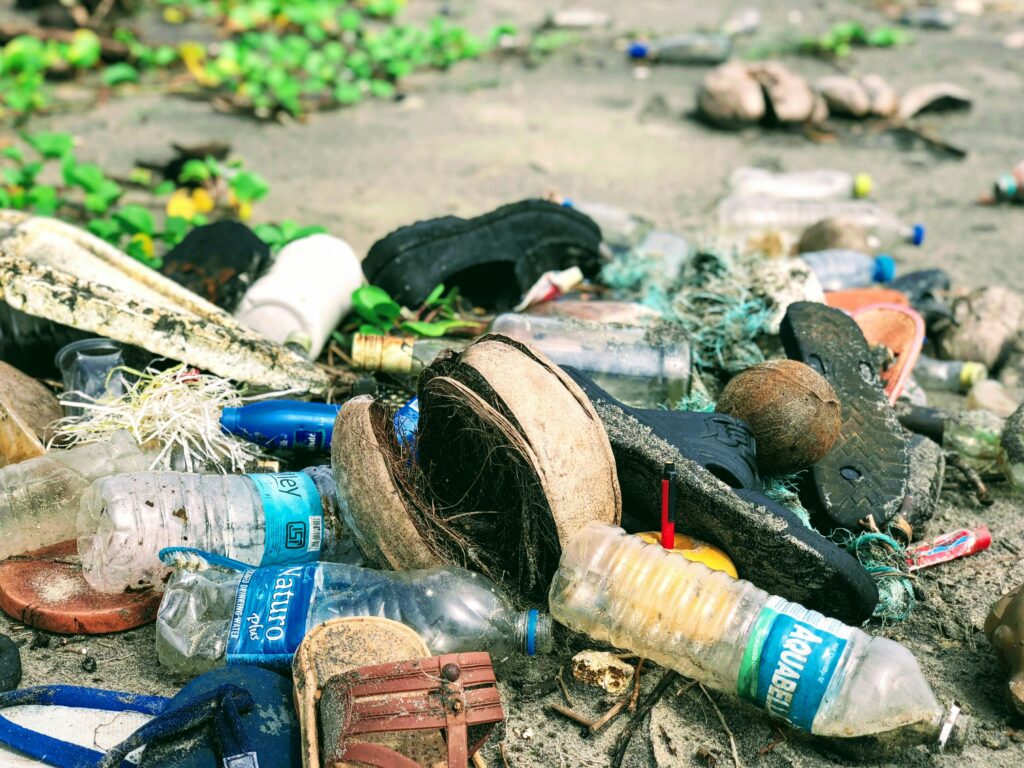
Nothing goes overboard that should not go overboard. This is maritime law in most jurisdictions we sail through, and it is our own standard regardless of jurisdiction. Waste is separated, stored, and disposed of correctly in port. Food waste goes overboard only when we are offshore and clear of marine protected areas, where it biodegrades as natural organic matter. Everything else accumulates on board until we reach a port with adequate waste facilities.
Single-use plastics are minimised aboard. The watermaker produces all our fresh water from the ocean around us, which means we carry no plastic water bottles. Provisions are sourced from local markets in fresh and unpackaged form wherever possible, which is both better for the environment and significantly better for the quality of the food. Where packaging is unavoidable, it is stored and disposed of in port.
We carry a supply of bags specifically for collecting marine debris during beach visits and dives. In the remote anchorages we visit, particularly in areas where ocean currents deposit debris on otherwise pristine beaches, the tender goes ashore with diving and snorkelling groups carrying empty bags that come back full. This is not a campaign or a programme. It is simply what you do when you are in a place of beauty and you can see something that should not be there.
Engine Use and Fuel
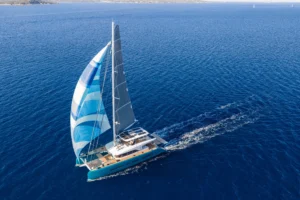
We sail. This is the most direct statement of our environmental approach to propulsion. On the trade wind passages that form the backbone of the circumnavigation, the engines are largely irrelevant. The Eighty2’s 340 square metres of sail area drives the vessel efficiently in the conditions the route is designed around, and fuel consumption on ocean passages is a fraction of what a comparable motorised vessel would use.
When the engine is used, it is because safety or the conditions require it: port manoeuvring, windless passages through the doldrums, the approach to tidal passes that require precise speed control. We do not motor to arrive on schedule when sailing is available. We accept that the wind determines the pace of the passage, which is both environmentally correct and one of the things that makes the rhythm of the journey what it is.
Electric propulsion technology has not yet reached the reliability standard required for a continuous global expedition. We are honest about this. Diesel is not our preference. It is our responsibility to the safety of the people aboard. As the technology develops, we will be among the first to adopt it when it genuinely meets the demands of offshore sailing.
How We Engage with Local Communities and Ecosystems
The environmental impact of a sailing voyage is not only physical. The way a vessel engages with local communities, with local fishing practices, with the cultural norms around natural resources, is also part of the picture.
We buy food from local producers and local markets rather than from supermarkets wherever possible. This is better for the food quality, better for the local economy, and better in terms of supply chain footprint than imported packaged goods. When we fish, we fish for what we will eat that day. We do not overfish and we do not take species that local communities depend on. In areas where specific species are protected, we do not target them regardless of whether their protection is legally enforced.
| Area | Our approach |
|---|---|
| Anchoring | Sand only, never on coral; swing radius assessed for tide and wind; mooring buoys used where installed |
| Marine park compliance | All local regulations followed without exception before arrival |
| Waste management | Zero overboard except biodegradable food waste offshore; everything else stored for port disposal |
| Plastics | Watermaker eliminates plastic water bottles; local market provisioning reduces packaging; debris collected during beach visits |
| Engine use | Sail whenever possible; engine for safety and necessity only; no motoring to schedule when wind is available |
| Local economy | Food bought from local producers and markets; fishing for daily consumption only; protected species not targeted |