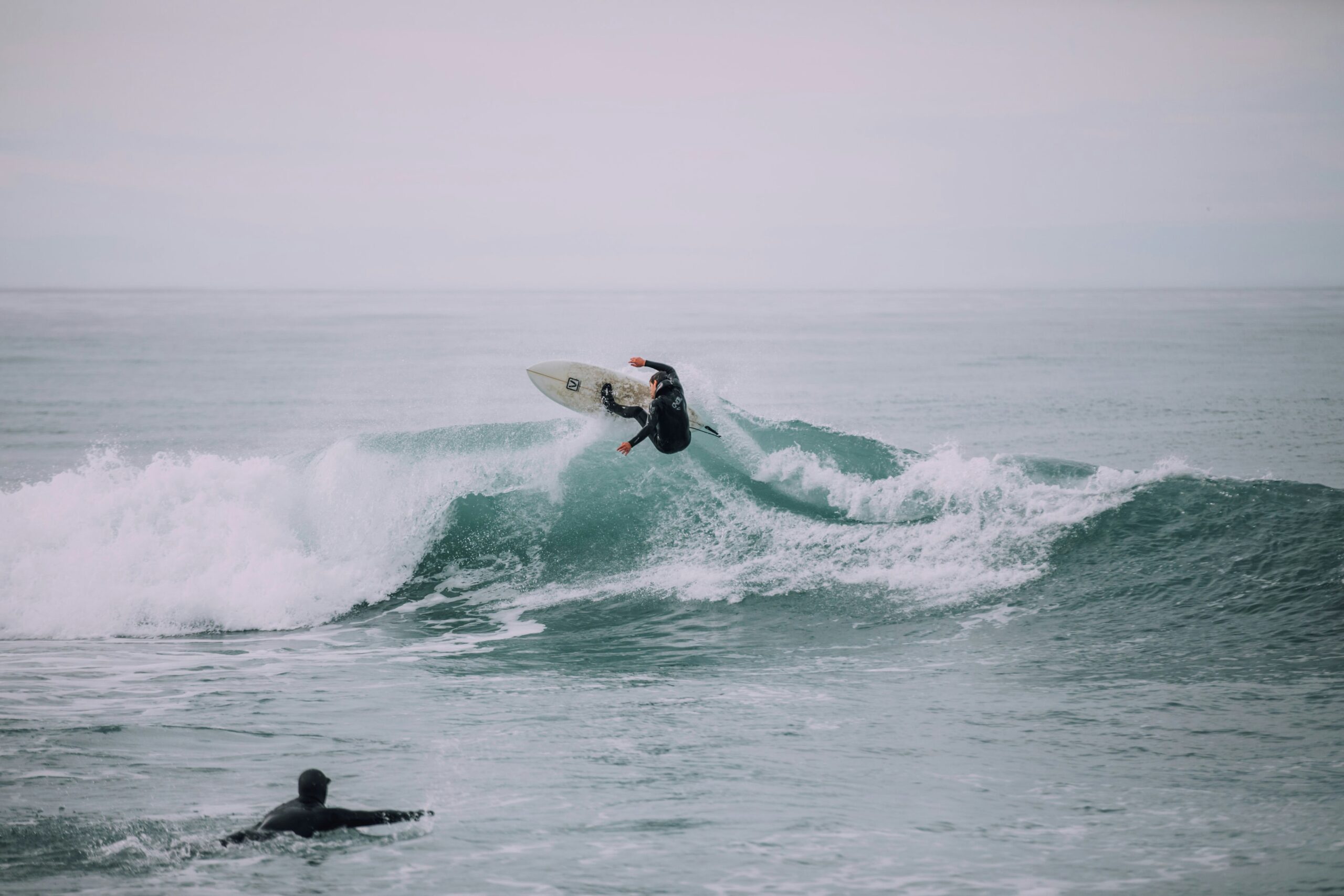
The surfski is the ocean kayak designed for the open ocean swell: the long narrow hull that the wave runner sits in rather than sitting on, with the rudder controlled by the foot pedals and the double paddle and the specific ability of the surfski hull to catch the face of the ocean swell and run it at the hull speed that the swell’s energy provides for free.
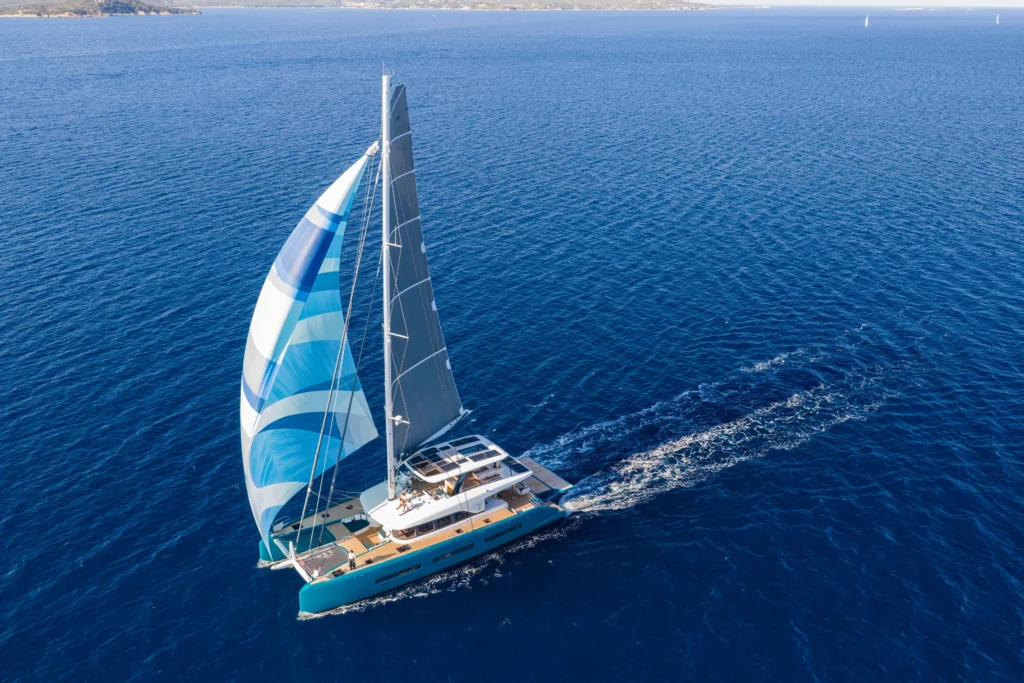
On the Naora passage in the Atlantic trade wind swell, the surfski goes into the water alongside the Eighty2 for the member who wants the specific experience of being at water level in the open ocean rather than on the boat that is on the water, in the conditions that the Atlantic passage day in the northeast trade wind produces.
The protocol for the passage surfski session is specific to the passage conditions: the Eighty2 slows to five knots from its passage speed, the surfski is deployed from the stern with the tow line attached, the member clips into the ski and the tow line provides the recovery option if the ski is capsized and the member needs to be returned to the boat rather than self-rescuing.
The VHF is in the dry bag behind the seat. The surfski session on passage runs for thirty minutes in the conditions the watch captain assesses as appropriate: the swell size and the wind strength and the boat’s position relative to the passage route and the session’s impact on the passage pace all factored into the thirty-minute window that the passage day allows without the passage timing being compromised.
What the Swell Feels Like From Seat Height
The Atlantic trade wind swell from the surfski is a different swell from the Atlantic trade wind swell from the boat’s deck. The deck is three metres above the water: the swell is visible as the horizon that rises and falls, the boat’s motion that the body manages from the fixed position of the deck.
The surfski is at the waterline: the swell is the thing that lifts and drops the ski and the person in it from the trough to the crest and back, the horizon that goes above head height at the trough and drops to chest height at the crest, the specific physical experience of the ocean’s energy at the scale it operates when the distance between the person and the ocean’s surface is zero rather than three metres. The swell in the surfski is not more dangerous than the swell on the deck. It is the swell at the scale that the person on the deck is observing rather than inhabiting.