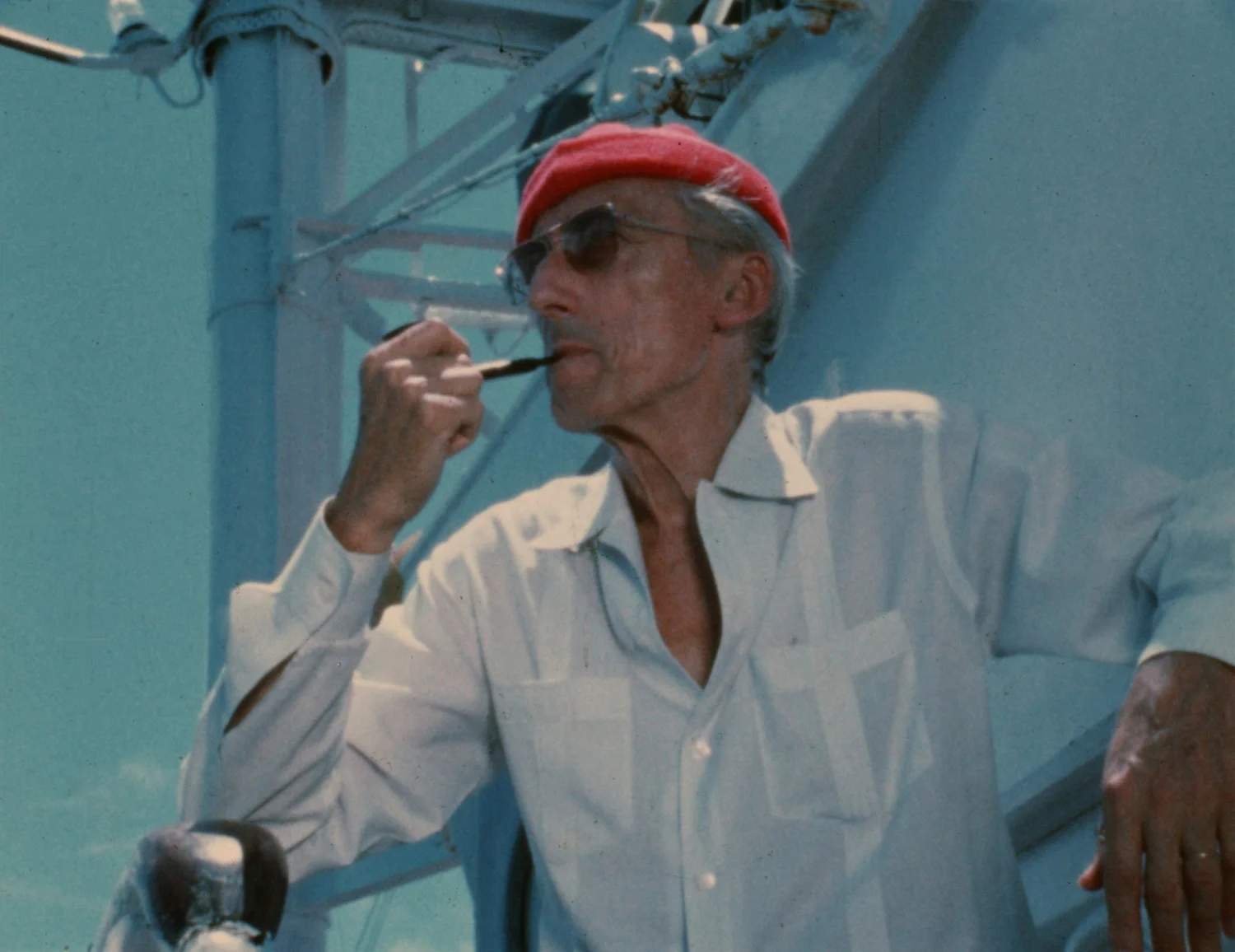
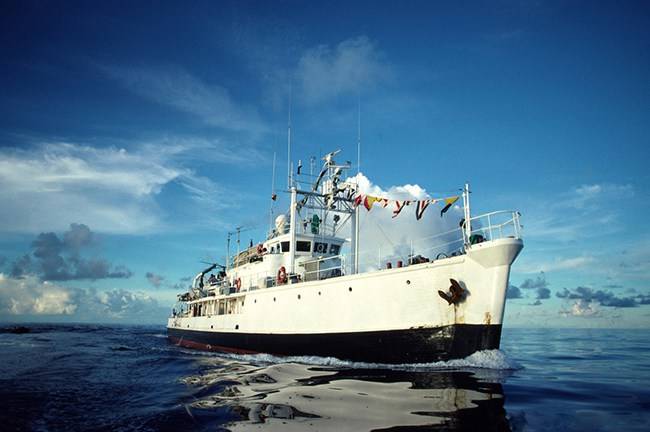
Jacques Cousteau brought his research vessel Calypso to the Red Sea in 1954 and again in the 1960s and filmed the coral reef ecosystem that the Red Sea produced in the mid-twentieth century, before the commercial dive industry, before the mass tourism of the Egyptian Red Sea resorts, before the anchor damage and the diver contact and the sunscreen chemical loading and the coastal development runoff that the decades of the commercial dive economy have applied to the accessible Red Sea sites.
The films that Cousteau made of the Sudanese Red Sea, the Shaab Rumi reef where the Conshelf II underwater habitat experiment was conducted in 1963, the Abu Nuhas shipwrecks, the specific sites of the central and northern Sudanese coast, show the Red Sea reef in the condition of the reef that had not yet been discovered by the industry that would eventually degrade it.
The Sudanese Red Sea has been practically inaccessible to the international dive industry since the 1980s — the combination of the political instability of the successive Sudanese governments, the sanctions regime that made the financial transactions for the commercial dive operations difficult, and the security situation that the international travel advisory consistently flagged.
The result is the Red Sea reef in the condition that Cousteau filmed: the coral coverage that the undived reef maintains, the fish biomass that the unfished reef accumulates, the specific quality of the marine environment that the sixty-year protection by political inaccessibility has produced and that the dive community has been speculating about since the Cousteau films established what was there before the rest of the Red Sea was opened to the commercial dive industry.
The Current Situation and the Naora Assessment
The Sudanese political situation has been in transition since the 2019 revolution that removed Omar al-Bashir and the subsequent military coup of 2021. The live-aboard dive industry has been cautiously re-entering the Sudanese Red Sea in the period of relative stability that the northern Sudanese coast has experienced relative to the conflict in Darfur and the internal political crisis.
The Naora team assesses the current situation annually in the lead-up to the Red Sea chapter and determines the Sudanese coast access on the basis of the current security reality rather than the historical inaccessibility. If the window is there, the Shaab Rumi and the Sudanese north coast sites are the sites that Cousteau filmed in 1963 and that the sixty years of the protective political isolation have maintained in the condition the film established. Few dive sites in the world come with this specific provenance.