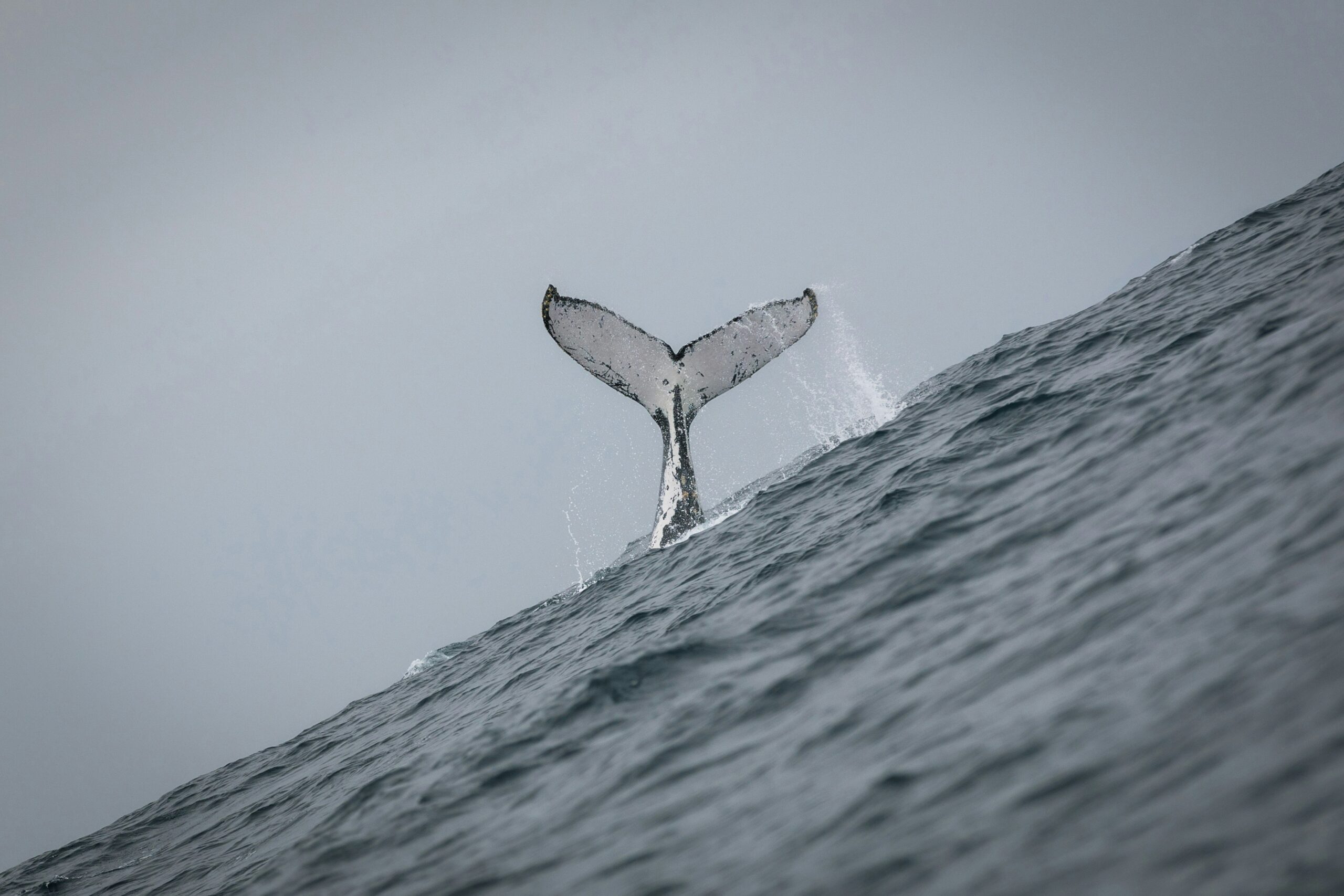
The sperm whale’s blow is identifiable at distance because it projects at a forty-five degree angle to the left, the consequence of the blowhole’s asymmetric position on the left side of the enormous rectangular head rather than the centred position that most whale species have.
The head is one third of the total body length in the adult male, up to six metres of the eighteen metres that the largest sperm whale reaches.
The head contains the spermaceti organ, the oil-filled structure that the nineteenth-century whaling industry valued for its use as a precision lubricant and that the whale uses for echolocation — the sonar system that the sperm whale uses to navigate and to hunt in the complete darkness of the ocean at the depths its dives reach.
The sperm whale dives to three kilometres. Not occasionally: regularly, in the multiple dives per day that the hunting of the giant squid at depth requires. The pressure at three kilometres depth is three hundred times the atmospheric pressure at the surface.
The oxygen management that the dive requires is the management that the evolution of the sperm whale’s physiology has produced across thirty million years of deep diving: the myoglobin concentration in the muscles that stores the oxygen at levels nine times higher than the human muscle stores it, the specific capacity of the sperm whale’s blood to store and release oxygen at the pressure differentials the deep dive produces.
The sperm whale surfaces after a ninety-minute dive to the deep ocean floor and breathes for seven minutes before the next dive. The entire body has been redesigned around the specific requirements of the deep ocean hunt.
The Encounter and the Sound
The sperm whale produces the loudest sound of any animal on the planet: the clicks of the echolocation system that the spermaceti organ focuses and directs reach 230 decibels at the source.
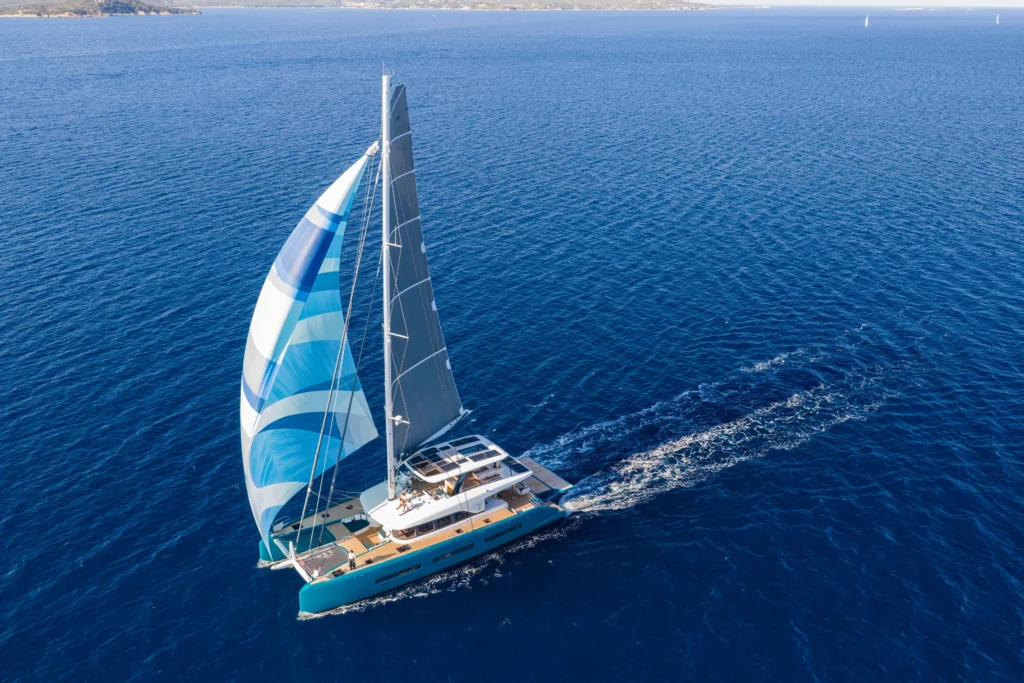
The clicks are audible through the hull of the Eighty2 when the whale is in the water below the boat: the specific rhythmic clicking that the sonar produces arriving through the hull planking as the specific sound that every offshore sailor who has heard it knows immediately as the thing the ocean is communicating from below the waterline.
The Naora encounter with the sperm whale follows the same principles as the humpback encounter: engine to idle at distance, no approach from directly ahead or astern, no entry into the water while the whale is present. The whale at rest at the surface between dives is the whale in the specific resting behaviour that the undisturbed encounter preserves and that the approach interrupts.