I spearfish selectively. This distinction matters in the Coral Triangle more than it matters anywhere else on the Naora route, because the Coral Triangle is the most biodiverse marine environment on the planet and the relationship between the offshore sailor and that environment requires a specificity of approach that the general category of spearfishing does not always describe.
The selective spearfishing takes one fish of the right species at the right size from the depth the breath-hold allows, for the meal the boat requires. It does not take the maximum the session produces. It does not take the species on the protected list or the fish below the size at which the reef’s population can replace it. It takes the specific fish in the specific quantity that the meal requires and that the reef can provide without the provision being a depletion.
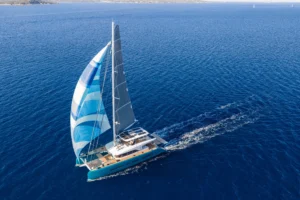
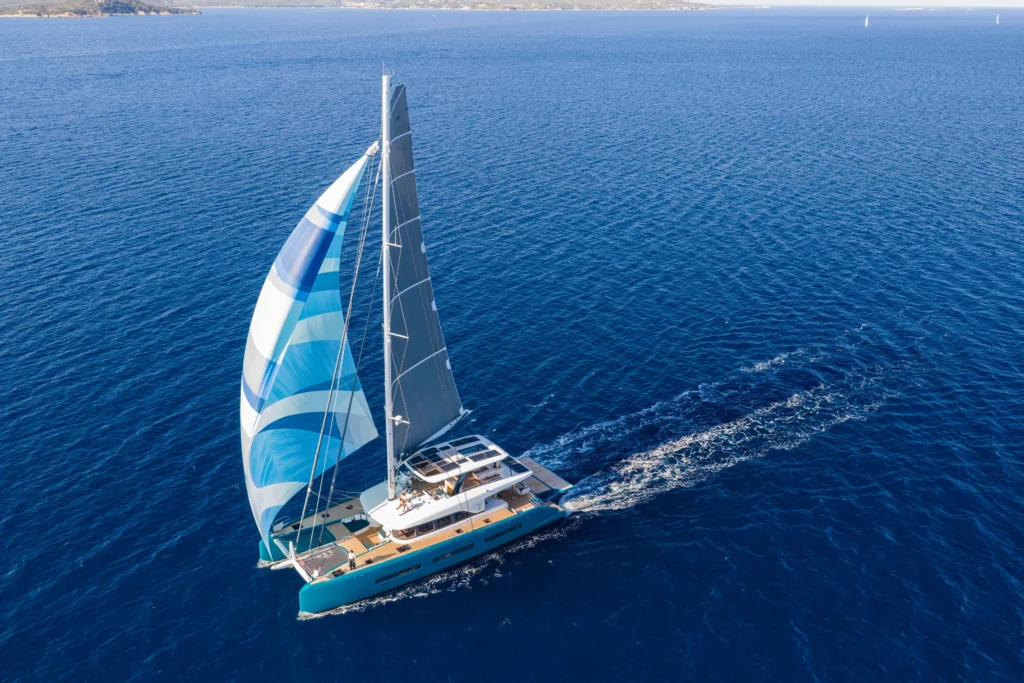
The spearfishing from the Eighty2 begins from the dive platform with the same breath preparation that the freediving session uses: the three-minute stillness, the diaphragmatic breathing, the specific heart-rate reduction that the pre-dive routine produces and that extends the breath-hold by reducing the body’s oxygen consumption rate before the descent.
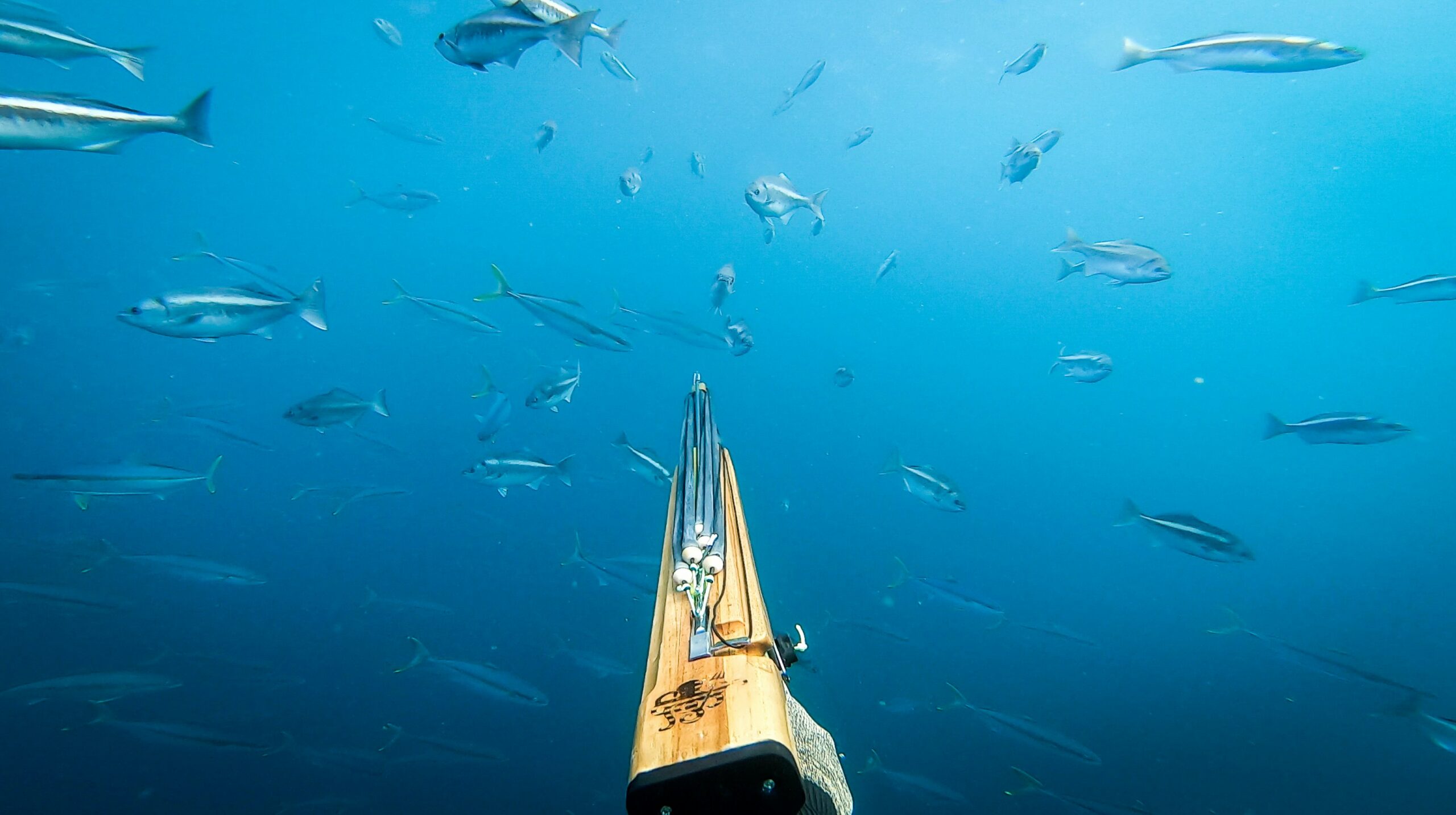
The speargun is the medium-range reef gun: the weapon appropriate to the reef environment where the target is at five to ten metres rather than the pelagic environment where the target is at twenty metres and the long-range gun is the tool. The polespear for the member who wants the most direct engagement between the hunter and the fish: no mechanism, no elastics, the thrust of the arm and the accuracy of the aim.
The Dive and the Selection
The breath-hold descent to eight metres in the Coral Triangle takes approximately twelve seconds at the pace that the neutrally buoyant freediver descends in the passive descent that the lung compression produces below six metres. The reef at eight metres in the Banda Sea is the reef with the specific species composition that the depth produces: the grouper that rests in the coral head’s shadow, the coral trout in the overhang, the parrotfish on the open reef surface in the species and size that the morning’s assessment of the reef’s population allows as the selective take.
I hover at the depth for the ten seconds that the breath-hold allows after the descent, assess what is available, decide whether the available is the right fish for the right meal, and either take the shot or ascend without it. Ascending without the shot is the correct choice more often than the person new to spearfishing expects. It is also the choice that the reef rewards across the years of the offshore relationship by continuing to provide the fish that the selective approach leaves in the water.