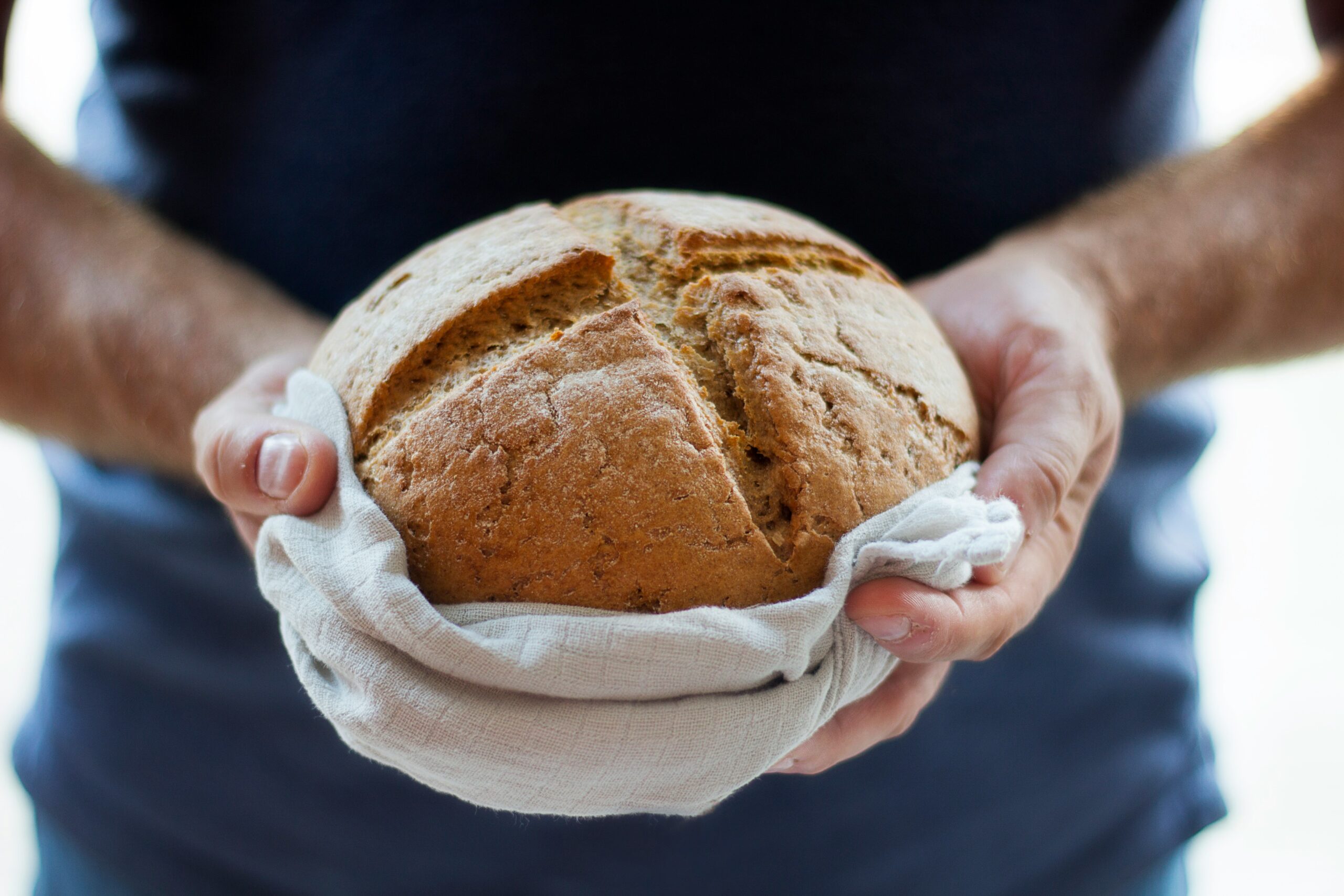
The bread dough goes in at ten at night. Not because ten is the ideal time for bread-making, which it is not: because ten gives the dough six hours to rise before the six o’clock watch handover, which is the moment that the fresh bread needs to be ready.
The offshore morning has a specific quality of expectation built into it, and the fresh bread coming out of the oven at six is the specific answer to that expectation that nothing else in the galley can provide in the same form. The smell of the baking bread moves through the boat in the hour before six and it wakes the people who were planning to sleep until six-thirty in the way that the alarm clock does not: without resentment.
The Dough
The dough formula for the Naora bread is the formula of the offshore baker who has learned that the boat is not a bakery and that the adaptations the boat requires are the adaptations that make the bread better rather than a compromise of it. Strong white flour from the last provisioning port, wherever that was: the Greek flour from the island above the bay has a different quality from the French flour from the Antibes chandlery and both are different from the Polynesian flour from the Papeete supermarket, and each difference arrives in the bread in the form of a slightly different crumb and a slightly different crust and the specific quality of the grain of the place the flour came from.
One sachet of dried yeast, the water at body temperature from the galley tap, sea salt measured against the palm rather than the teaspoon, a small quantity of the local honey if the last provisioning market had honey worth buying.
The mixing takes ten minutes by hand. Not the stand mixer: the boat’s motion during the mixing is the specific agitation that the professional baker replicates with the machine and that the offshore galley produces for free from the passage.
The dough goes into the covered bowl, the bowl goes into the oven with only the pilot light on, and the six hours of the night watch produce the rise that the bakery achieves in two hours in a proving drawer at forty degrees because the boat’s ambient temperature and the pilot light’s warmth conspire to produce the slow fermentation that the good bread requires and that the rushed fermentation consistently shortchanges.
The Baking and the Taste
The oven goes to 220 degrees at five-fifteen. The dough is knocked back and shaped into the tin at five-thirty. Thirty minutes at 220 and the bread is the bread: the specific hollow knock of the base that tells the baker it is done, the crust that the oven’s heat has produced from the honey glaze applied before the tin went in, the interior that the thirty minutes has made from the raw dough into the specific open crumb that the slow overnight fermentation produces and that the quick bread never quite achieves. The bread comes out at six. The watch changes at six. The timing is not an accident.
The taste is the taste of the bread that carries the last harbour in its flour. The Greek flour tastes of the grain of the Cyclades. The French flour tastes of the Provence that produced it. The Polynesian flour tastes of the coconut oil that went into the dough alongside it. None of these differences is dramatic. All of them are present if the bread is being eaten with the attention it deserves, which the offshore morning at six, with the watch just handed over and the coffee in the hand and the anchorage or the ocean visible from the afterdeck, is the specific occasion that provides.