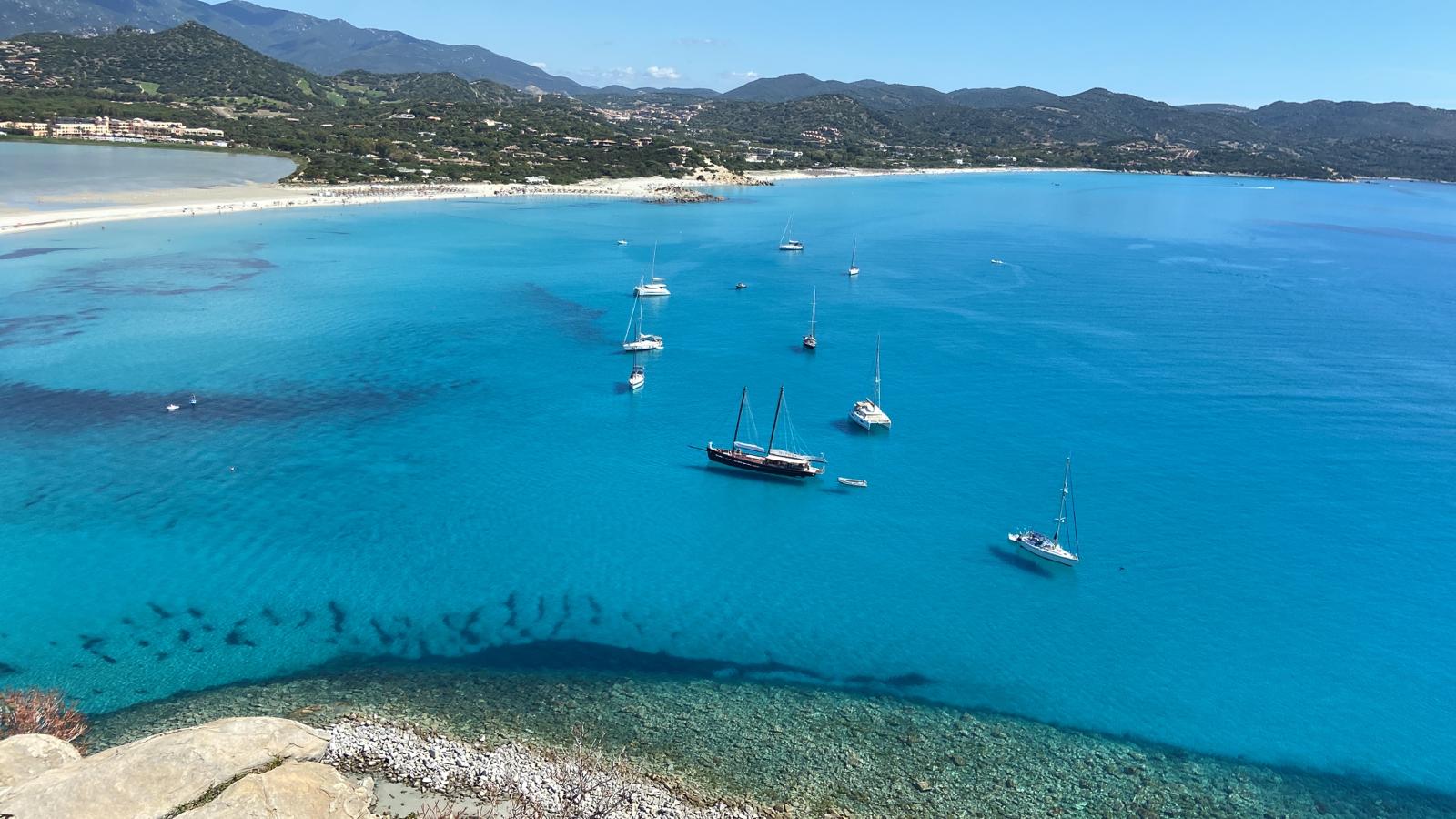
The remote anchorage is not silent. It is, in the specific sense of the word that describes the absence of human-generated sound, quiet: the engine noise and the traffic noise and the air conditioning unit and the construction site and the crowd and the music and the aircraft overhead are all absent. In their absence what remains is not silence but the acoustic world of the place itself: the wind in whatever vegetation is present at the anchorage’s edges, the water against the hull in the specific pattern that the anchorage’s protection from the swell and the local wind determine, the birds, the fish, and in the Tuamotu and the Banda Sea and the outer reef anchorages of the Indonesian archipelago, the sound of the reef itself: the specific crackling and clicking of the snapping shrimp that populate every healthy coral structure and that the underwater microphone of the scientist and the face mask of the snorkeller reveal as one of the loudest consistent sound sources in the ocean.
All these years of offshore sailing have given me a specific relationship with the acoustic world of the remote anchorage that I want to describe, because the description of the remote anchorage as silent is the description that the person who has not been in one produces from the outside and that the person who has been in one recognises as the description of the outside rather than the inside.
The remote anchorage from the outside is the map point with no indication of human settlement: silent by implication. The remote anchorage from the inside is the specific acoustic environment that the absence of human noise reveals: richer, not poorer, in its sound than the environment it replaced.
What the Anchorage Sounds Like
The Tuamotu anchorage at midnight sounds like this: the water against the hull in the specific irregular rhythm that the slight swell the atoll’s rim does not fully eliminate produces on the leeward side where the anchor is set. The trade wind in the coconut palms at the atoll’s edge, which is a softer and more continuous sound than the wind in the deciduous forest and that has the specific quality of the palm’s frond structure filtering the wind rather than resisting it.
The frigate birds that use the trade wind to maintain their altitude overnight without flapping, occasionally audible as the wingbeat that the adjustment of the angle of attack requires. The snapping shrimp on the reef below the boat: not audible from the deck in the air but audible through the hull as a continuous low crackling that the body of the boat transmits from the water to the cabin in the form of the specific acoustic signature of the healthy reef that the boat is anchored above.
The Banda Sea anchorage at the volcanic seamount sounds different. The fish are more audible here than in the atoll: the specific sounds of the larger reef fish that the seamount’s concentration of marine life produces, audible as the occasional low resonance through the hull. The current that the tidal exchange in the channel produces is audible on the anchor chain: the specific vibration of the chain in the current that the boat at anchor in moving water produces and that the boat at anchor in still water does not. The sound is the current’s information: the chain tells the captain what the chart described in general terms and what the body of the boat is feeling in specific terms. I listen to the anchor chain. It tells me things that the instruments measure later.
- The remote anchorage is not silent: it is quiet in the absence of human-generated sound, and the acoustic world the absence reveals is richer than what it replaced
- The Tuamotu midnight: irregular swell rhythm on the hull, trade wind in coconut palms, frigate birds on the trade wind overnight, snapping shrimp audible through the hull from the healthy reef below
- The Banda Sea seamount anchorage: larger fish audible through the hull, the anchor chain vibrating in the tidal current, the chain as information about the current that the instruments measure later
- Twenty-five years of the offshore acoustic world: the specific relationship with the remote anchorage’s sound that the outside description of silence does not describe and that the inside experience reveals as the richer environment
- I listen to the anchor chain. It tells me things that the instruments measure later. The remote anchorage is the most information-dense acoustic environment on the Naora route