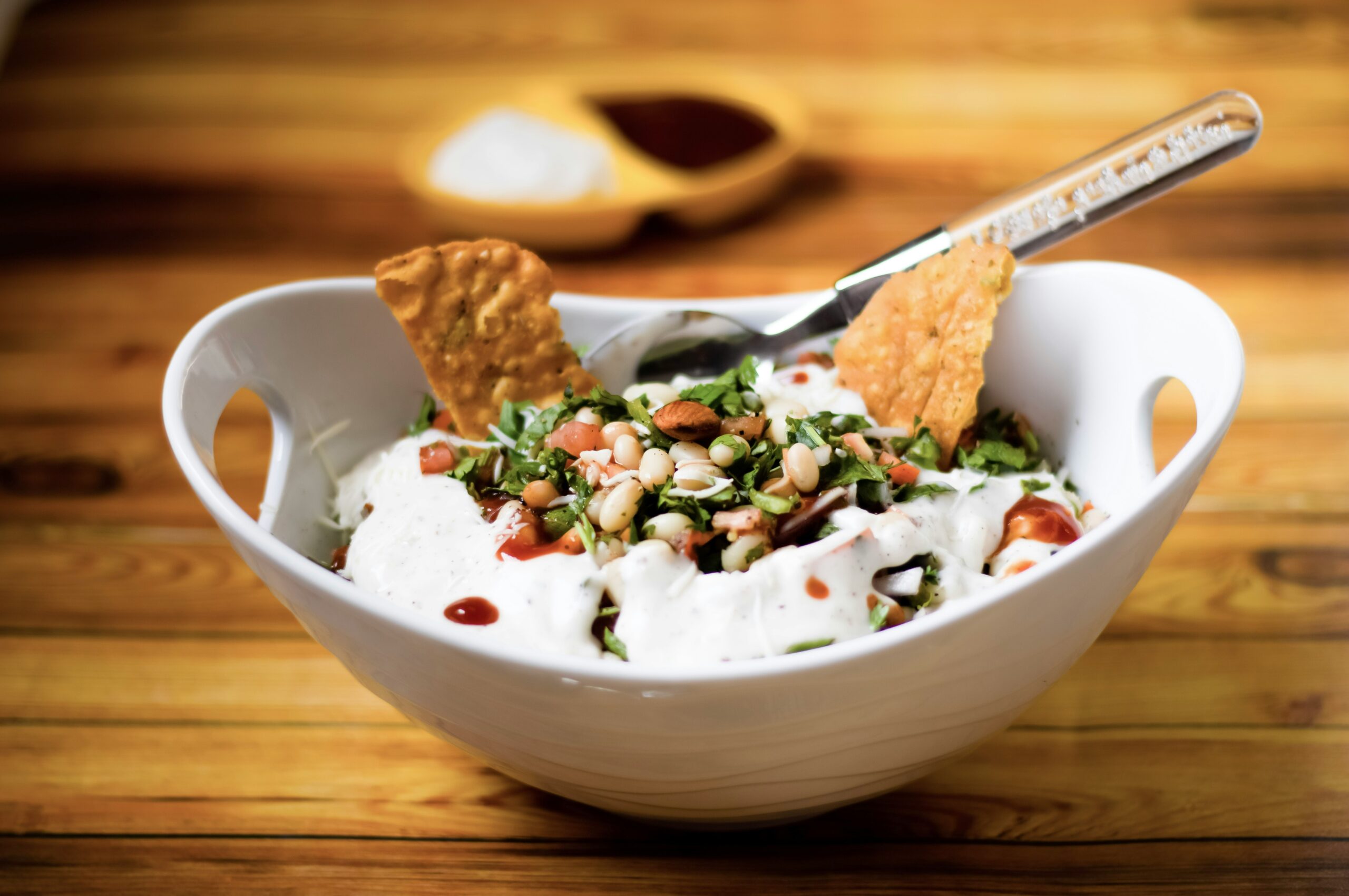
A handful of washed purslane can look ready while still holding enough water to change lunch. Tilt the colander and another trickle appears from the junctions of leaves and stems. The leaves themselves feel cool and substantial against the palm, thicker than their size suggests. In a purslane yogurt salad, the water held inside those leaves is much of the pleasure. The water left outside them is another matter.
For the Bodrum loops in our Mediterranean route, this is the sort of dish we want to make room for: something bought in a modest quantity, prepared with attention and eaten while its texture still makes sense. There is no cooking to conceal a tired ingredient or a hurried wash. The work happens before the bowl reaches the table, and much of it consists of knowing what to leave alone.
Buying Purslane At The Bodrum Market
The useful word at the stall is semizotu, Turkish for purslane. Its pairing with yogurt is familiar in Turkish cooking, often described as yoğurtlu semizotu. Neither the ingredient nor the preparation needs to be presented as a discovery. Learning the name is a small practical courtesy, and a better starting point than treating every unfamiliar green as something waiting for a visitor to explain it.
We look for leaves that are plump and firm, with clean colour and no slippery, collapsing patches. Purslane commonly has fleshy stems, sometimes reddish, carrying small, rounded or oval leaves. Those characteristics help when examining produce already identified for sale; they are not a sufficient guide to foraging. A bunch with more tender tips is useful for a raw dish. A thick bundle of mature stems may offer less usable salad than its size first suggests.
Soil at the base is ordinary. It is not proof of freshness, careful growing or local origin. Purslane is a warm-season plant, but the quality on a particular stall depends on how it was grown, harvested and held, not simply on the heat of the day. Asking where it came from tells us more than assuming that everything sold locally was grown nearby. Asking how it is usually prepared can also prevent a mistake: a bunch intended for cooking may be perfectly good without being the best choice for this lunch.
Quantity comes after that inspection. A market bunch is not a standard unit, and roots, coarse stems and damaged leaves all change what remains after trimming. We buy for the people eating and the meal being made, rather than for the reassuring appearance of a full shopping bag. With tender produce, abundance can become a small obligation surprisingly quickly.
The Texture Of Purslane Yogurt Salad
Purslane is succulent in the botanical sense: its fleshy tissues store water. Bite a sound leaf and there is a gentle resistance before it gives, followed by a clean, juicy sensation. The flavour can be grassy and lightly sour, with its strength varying between batches. It does not behave like a thin lettuce leaf, and that difference is the reason to use it rather than an inconvenience to correct.
There is another part of the texture worth understanding. Purslane contains mucilage, plant material that binds water and gives cut or crushed tissue a slightly slippery quality. Left mostly intact, the leaves feel fresh and fleshy. Chopped very finely, pressed hard or worked repeatedly through a dressing, they can produce a softer, more slippery result. That may be welcome in a cooked preparation. In a cool raw salad, we usually want the leaf to remain recognisable.
The stems need judgement rather than a blanket rule. The fine tips can contribute a pleasant bite, while older stems may remain stringy after the leaf has disappeared between the teeth. Test a washed piece from the actual bunch. If it resists in a way that asks the jaw to keep working, remove it from the salad. Colour alone does not tell us whether a stem is tender.
Yogurt supplies a different kind of moisture: a cool, sour coating rather than a burst within the leaf. Its acidity, fat content and degree of straining all affect the balance. A sharply sour yogurt can make lemon unnecessary. A very mild one may leave room for it. We taste the purslane and yogurt separately before deciding, because a recipe that automatically adds acid can erase the quieter flavour it was meant to support.
Washing Purslane Without Bringing The Grit Back
Purslane grows close to the ground, and a bunch can carry fine soil among its branching stems even when the upper leaves look clean. Washing needs room. Pushing a dense bundle beneath a running tap wets the outside convincingly while leaving the crowded centre almost untouched. The first task is to open the bunch, remove roots and damaged material, and separate it into manageable portions.
A clean bowl of cool drinking-quality water allows the leaves and tender stems to move. With clean hands, loosen them gently rather than kneading them. Lift the purslane into a clean colander, leaving the washing water behind. This is the important movement. Pouring the whole bowl through the colander carries the settled grit back towards the food, undoing the separation just achieved.
The evidence is at the bottom of the bowl. Under the smooth movement of the water, grit settles into a rough little crescent that can be felt with a fingertip once the leaves are out. Empty and rinse the bowl, then repeat with fresh water if soil remains. Finish with a gentle rinse under running potable water. There is no useful fixed number of washes: a clean cultivated bunch and one carrying soil from its roots do not require identical treatment. The condition of the water and leaves decides when the work is finished.
Neither seawater nor a splash of vinegar turns this into a sanitising process. Soap does not belong on the leaves. Washing removes soil and reduces some surface contamination; it cannot make spoiled produce sound. The bowl, colander and work surface also matter, particularly in a galley where raw fish or other ingredients may have been prepared earlier. Clean equipment and separation from raw animal foods are part of making a dish that will receive no further protection from heat.
Why The Leaves Need To Be Dry
Drying here means removing surface water, not wilting the plant. A colander drains the easy water but leaves droplets caught where stems branch and leaves overlap. A salad spinner helps if used gently and without packing it tight. Otherwise, spread the purslane on a clean, absorbent towel and turn it lightly, giving trapped water somewhere to go. Pressing down hard is faster only if the condition of the leaves no longer matters.
The towel gives a useful indication. When the leaves are lifted, there should be no fresh scattering of droplets beneath them. They should still feel firm and alive, not leathery. In a galley, a stable work surface matters even for this quiet task: a bowl that slides as the yacht moves encourages hurried handling and wasted water. There is little merit in washing carefully and then catching the result against an unclean edge.
Residual water dilutes the yogurt, reducing its ability to cling. The dressing gathers underneath instead of staying around the leaves, and the next spoonful tastes weaker than the first. Yet not every pale puddle is evidence of poor drying. Yogurt can release whey naturally, especially after stirring and standing. Dry leaves remove one avoidable source of dilution; they cannot promise that a dairy gel will never separate.
Salt adds another variable because it encourages water to move out of plant tissue. Salting the greens early and leaving them to wait works against the texture we want. Our preference is to keep the washed, dried purslane chilled separately, prepare the yogurt apart from it, and combine them close to eating. This also leaves room to change the meal if the afternoon changes. Once everything is dressed, the clock becomes less forgiving.
Making Purslane Yogurt Salad In The Galley
For four modest side portions, a useful starting point is about 250 g of trimmed purslane with 200 g of thick plain yogurt. These are kitchen proportions, not a specification for every bunch. A stem-heavy batch occupies the bowl differently from a pile of small leaves, and appetites change with whatever else is on the table. The point is to begin with enough yogurt to coat the greens, while retaining the option to add more.
The yogurt should hold a soft ridge when drawn through with a spoon, but it need not be so stiff that folding it through the leaves becomes a struggle. If it is loose, drain it under refrigeration rather than trying to compensate with more ingredients. If it is exceptionally dense, loosen it by stirring before deciding whether it needs anything else. For a cold dish with no cooking step, yogurt made from pasteurised milk is the sensible choice.
Start with half a small garlic clove, finely crushed, and taste it in the yogurt. The size and pungency of garlic vary enough to make a precise instruction misleading. Crushing breaks the cells and releases the compounds responsible for its sharpness, so a small amount can travel a long way through a mild dressing. It also becomes more apparent as the mixture stands. We want enough to give definition, not enough to make the purslane incidental.
A tablespoon of olive oil is a reasonable beginning for this quantity. It rounds the acidity and gives a little weight to the finish, but it does not rescue watery yogurt or wet leaves. Season the yogurt lightly, fold it through the purslane with a broad spoon, then taste a complete mouthful. Tasting the dressing alone is no longer sufficient: the leaf brings its own water, sourness and volume. Stop mixing as soon as the coating is reasonably even.
There is no virtue in making the bowl busier merely because more ingredients are available. Nor is raw preparation inherently superior. Turkish kitchens also cook purslane, and an older, sound bunch may be better suited to a cooked dish than to prolonged trimming for a salad it does not want to become. The useful skill is recognising which treatment the ingredient can support. Restraint sometimes means leaving out the lemon. Sometimes it means changing lunch altogether.
Provisioning Around The Bodrum Loops
The Bodrum loops belong to the Mediterranean chapter of the Naora Global Expedition, our private sailing expedition around the world aboard Discovery, a Lagoon Eighty2 sailing catamaran. Within that much longer route, returning through an area offers a different provisioning possibility from buying before an ocean passage. We can plan for smaller purchases of delicate food when the route and conditions allow, rather than asking every ingredient to endure the longest imaginable interval.
A return on the route plan is not an appointment with a market. Sven, Naora’s founder and captain, plans every weather window and sails every leg himself. A change in conditions can change the useful time ashore or remove it altogether. The galley must be able to absorb that decision without creating pressure to land. Buying modest quantities of purslane makes sense only when the wider stores are sufficient. The reserve belongs in foods that keep, rather than in extra bags of greens expected to remain fresh through wishful thinking.
The shopping order matters as much as the list. Dry goods can be dealt with before chilled dairy; yogurt should be bought from reliable refrigerated storage near the end of the shop, carried in an insulated container with cold packs and returned directly to refrigeration aboard. Leaves need protection from crushing and heat, not a place beneath heavier provisions. Extending the walk ashore after buying the cold ingredients spends part of their useful life without improving the meal.
Small local purchases also require honest accounting. They can reduce spoilage and let us respond to what is good, but repeated trips, packaging and transfers are not impact-free. Local buying alone proves little about how something was grown or transported. We combine errands where practical, ask about origin and avoid purchasing a surplus simply because it looks beautiful on the stall. The most useful measure is less romantic: how much of what we bring aboard is actually eaten in good condition.
Keeping Lunch Cool In The Afternoon
A cold dish still needs temperature control. We work to a refrigeration target of 5°C or below for yogurt and the finished salad, checked with a thermometer rather than a hand against a shelf. An overloaded refrigerator with poor air circulation may struggle even when its display looks reassuring. Leaving space for cold air to move is part of provisioning, just as surely as deciding how much to buy.
On a deck where the air is above 32°C, an hour out of refrigeration is an upper limit for a yogurt dish, counting preparation and serving together. It is not a recommended length of lunch. Shade keeps the bowl out of direct sun but does not make hot air cold. A small serving brought out first, with the remainder held under proper refrigeration, is more sensible than leaving the whole batch on the table. If its time or temperature history is uncertain, the appearance of the yogurt cannot settle the question.
The pleasure is clearest while the contrast still holds. Bright light beyond the shade, cool crockery against the fingers, the faint resistance of a leaf under the teeth. Garlic arrives after the sourness rather than before it. A tender stem makes the mouth work just enough to notice what is being eaten. This is why the bowl should reach the table promptly, rather than stand waiting while the rest of lunch catches up.
A little bread finds the yogurt left along the side of the plate. There need not be another dish immediately behind it. For a moment, the cool taste of the leaves is enough.