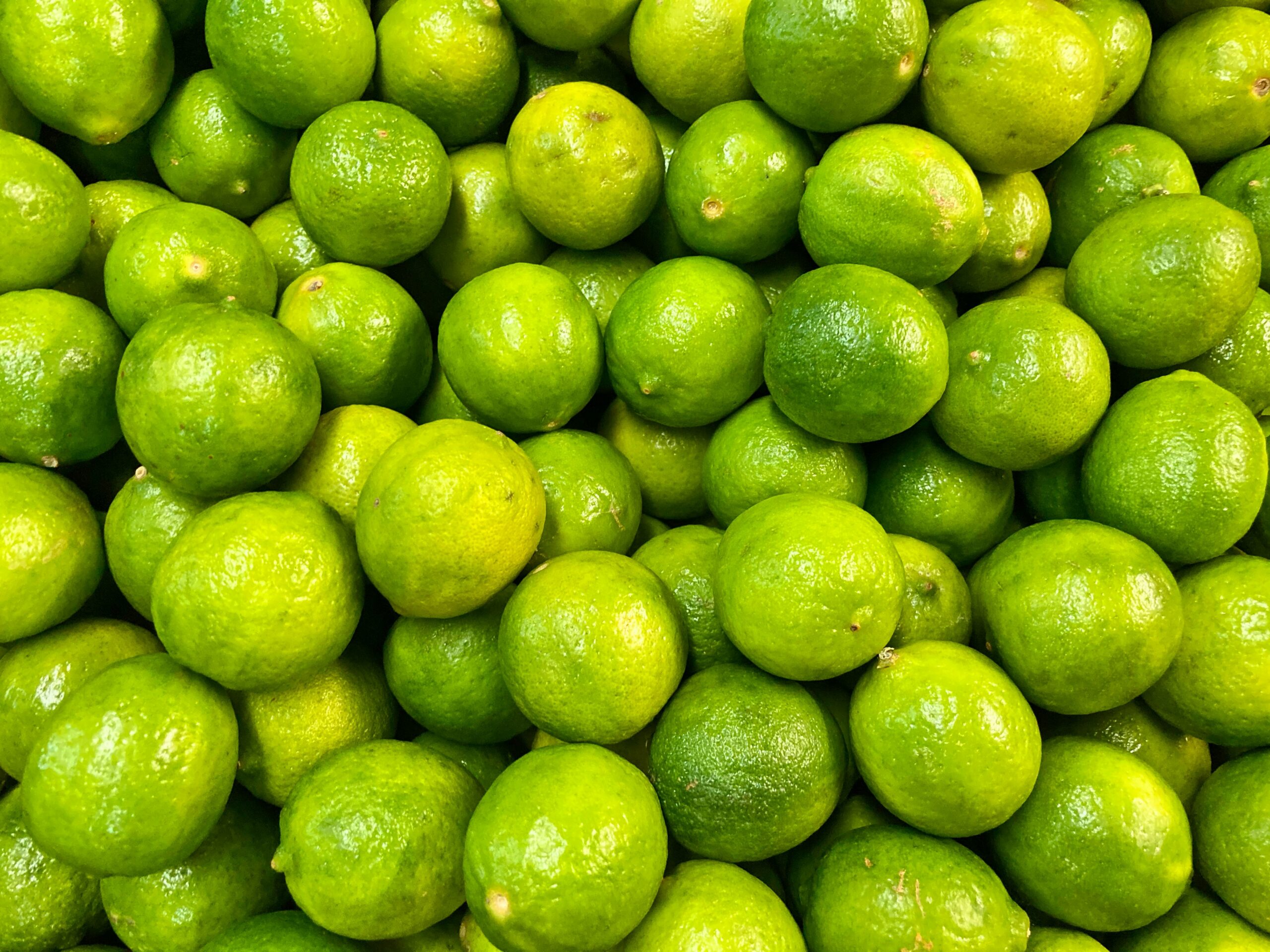
The edge of a cube of fish turns pale before its centre does. In a bowl of poisson cru, this is an absorbing little change to watch: the translucent surface becomes opaque, the flesh offers slightly more resistance to the spoon, and lime rises from the bowl before the coconut milk has even been opened. Something has happened to the fish. It is easy to give that change more meaning than it deserves.
As we plan the French Polynesian chapter of the Naora Global Expedition, this dish belongs in our thinking about the galley aboard Discovery, our Lagoon Eighty2 sailing catamaran. It brings together much of what we want from food along the world route: ingredients connected to the place, relatively little intervention and a meal that makes sense in the heat. It also asks for decisions that cannot be made by looking into the finished bowl.
The pleasure is immediate. The work that allows us to serve it responsibly begins much earlier.
What Lime Does To Poisson Cru
Fish, lime and coconut milk form the familiar centre of poisson cru in French Polynesia. Tuna is commonly used, with vegetables such as cucumber, tomato and onion, sometimes carrot. The balance belongs to the cook. Some versions lean towards sharpness, others towards the rounder taste of coconut, and the fish may retain more or less of its original texture. We would rather understand those choices than arrive with a fixed idea of the only correct bowl.
Lime changes that texture through acidity. Fish proteins lose some of their original structure, a process called denaturation, and the flesh becomes firmer and less translucent. Heat also denatures proteins, which explains why the expression cooked in lime feels convincing. The visible resemblance is real. The food safety implication is not.
A culinary lime marinade is not a reliable treatment for the pathogens or parasites that raw fish may carry. Acidity can affect microorganisms, but the strength of the juice, the amount of fish, the size of the pieces and the contact time vary. Watching the surface turn white tells us about the proteins we can see. It does not tell us what has happened to hazards we cannot see.
Nor does a longer soak solve the problem. More time may produce fish that is increasingly firm outside while still soft within, eventually losing the delicate texture that made it worth serving raw. This is a useful distinction to keep in the hand as well as the head: the spoon can judge tenderness, but it cannot certify safety. Lime belongs to the recipe, not to the evidence that the fish is suitable for it.
Choosing Fish For Poisson Cru
The first conversation with a supplier needs to go beyond freshness. We want the species identified, the catch area understood, and a credible account of chilling, storage and transport. We also need to say plainly that the fish is intended to be eaten raw. A supplier who explains that a particular batch is not intended for raw service gives us more useful information than a reassuring adjective.
Bright flesh and a clean smell matter as quality checks. Neither establishes that fish has remained cold throughout its journey, that any necessary parasite treatment has been completed, or that its catch area presents no toxin concern. A label such as sashimi grade is not, by itself, a temperature record or evidence of parasite control.
French Polynesia adds an important consideration: ciguatera. Some reef-associated fish can accumulate ciguatoxins through the food web. Risk varies with species and fishing ground, and local knowledge is valuable, particularly when it includes current information about places and fish to avoid. It cannot turn an unidentified catch into a dependable ingredient.
These toxins cannot reliably be detected by appearance, smell or taste. Lime, freezing and ordinary cooking do not make affected fish safe. There is no useful galley test in which a small taste settles the question. This is one reason the distinction between pelagic tuna and reef-associated fish matters, rather than treating everything caught locally as interchangeable. Tuna has its own handling risks, but they are not identical to those of reef fish.
The same judgement applies to a fish caught from the yacht. Knowing when it came aboard answers one question, not all of them. Species, catch area, parasite considerations and immediate handling still matter. Sourcing locally is part of Naora’s approach, but it asks us to learn more about an ingredient, not to ask less of it because the distance to the boat was short.
Keeping Fish Cold From Shore To Galley
For chilled fish intended for raw preparation, we work around a target of 0 to 4°C, ideally close to the temperature of melting ice without freezing the flesh. In human terms, this means the fish remains properly refrigerated while the cook decides what happens next. A cool surface under the fingertips is not a measurement, and a refrigerator display describes the cabinet rather than the earlier life of its contents.
The return from shore deserves as much thought as the purchase. Spray dries on the forearm, and the breeze can make a tender ride feel cooler than it is. Neither sensation tells us the temperature inside a shopping bag. An insulated container, adequately supplied with clean ice or another suitable cold source, needs to be ready before the fish is collected. Fish is the final purchase before returning, not something carried through the rest of an afternoon ashore.
It stays covered and protected from meltwater and other food. Once aboard, the cold space must already be available. A refrigerator crowded with warm provisions cannot be expected to cool a new load instantly. Temperature checks need a clean, sanitised probe used appropriately for the product, with attention to avoiding contamination during the check.
This is particularly important with tuna because poor temperature control can allow bacteria to produce histamine. Once significant histamine has formed, putting the fish back on ice does not remove it. Cooking and freezing do not reliably remove it either, and the fish may not announce the problem through an offensive smell.
A large, newly caught fish presents a related difficulty: its surface can cool while heat remains deeper in the flesh. Bleeding is not chilling. Catch handling has to suit the size of the fish and the cooling capacity actually available, rather than the lunch we hoped to make.
Our decision depends on the history as well as the reading. Fish measuring cold now, after an unknown period warm, has not recovered its missing history. When the number and the account disagree, the number does not win merely because it is easier to write down.
What Freezing Can And Cannot Do
Parasites require a separate decision from refrigeration. Keeping fish cold slows bacterial growth; it is not a parasite destruction process. For fish that need such treatment before raw service, one effective process uses freezing and storage at minus 20°C or colder for seven days under verified conditions. The temperature and duration belong together. Neither can be replaced by the observation that a fillet feels solid.
This is why we would seek documented treatment from a suitable supplier rather than assume a yacht freezer can perform the same task. Cabinet temperature, loading, fish thickness and the time needed for the product to cool all matter. An appliance that keeps provisions frozen is not automatically a verified parasite-control system.
Some tuna species are treated differently in raw-fish parasite controls, but the word tuna on an invoice is not a precise species identification. Any decision that freezing is unnecessary needs a sound basis in the identified fish and its supply chain. It should not be improvised from the reputation of the dish.
There is a worthwhile counterpoint here to the romance of fish taken straight from the water. Properly handled, commercially frozen fish with a documented history can be a more responsible raw ingredient than an attractive fresh fish whose history is unclear. Rapid freezing can also preserve texture well, although poor freezing and thawing can leave flesh soft and prone to losing liquid.
Thawing belongs under refrigeration, with drips contained and packaging instructions followed. Vacuum-packed fish may need to be removed from that packaging before thawing. Freezing remains a specific control, not a general cleansing: it does not sterilise fish, remove histamine or eliminate ciguatoxins. Its value comes from knowing exactly which problem it addresses.
Preparing Coconut Milk And Vegetables
The vegetables deserve their own preparation before the raw fish occupies the work surface. Wash them with potable water, use clean utensils, and keep the finished ingredients covered and chilled. Lagoon water is not a substitute for potable preparation water. Between raw fish work and anything ready to eat, hands, boards, knives and surfaces need proper cleaning and sanitising as appropriate.
On a yacht, that work also begins with a secure chopping board. A washable nonslip base is a small detail until the boat moves while a knife is passing through an onion. If the motion makes precise cutting awkward, the sensible response is to wait or change the meal, not to become more determined about the recipe.
Cucumber brings a cool, brittle contrast to the fish. Removing a very watery seed core can help the finished dressing hold its character. Ripe tomatoes contribute acidity and sweetness but also release liquid, especially after salting. Thinly sliced onion distributes its bite more evenly than thick pieces; finely cut carrot gives a firmer crunch. These are texture decisions rather than compulsory ingredients.
Keeping the vegetables separate until close to service limits the time salt has to draw water from them. Otherwise a carefully balanced coconut dressing can become a thin pool at the bottom of the bowl while the fish waits above it.
Fresh coconut milk has an immediate fragrance, but freshly pressed does not mean protected from contamination. Clean equipment, safe water where water is used, careful handling and prompt refrigeration matter. Good unsweetened pasteurised or shelf-stable coconut milk is a reasonable choice when those conditions cannot be established. Once opened, it needs refrigeration and handling within its stated limits.
Choosing it is not a judgement against local cooking. A household preparing coconut for an immediate meal and a yacht provisioning around a passage have different constraints. Respect begins with recognising the skill and circumstances of the cook, rather than copying the visible ingredients while overlooking everything that makes their method work.
Mixing Poisson Cru Just Before Eating
Once the sourcing and handling decisions are settled, the final preparation can be simple. We would cut the cold fish into even pieces roughly 2 cm across, large enough to retain a yielding centre but small enough to take lime evenly. Consistency matters more than exact geometry. A bowl containing both thin scraps and large cubes will not reach a pleasing texture at the same moment.
For that size of cut, about five to ten minutes in lime can be a starting point for judging texture, with the fish kept refrigerated during the wait. Species, firmness and the amount and acidity of the juice will change the result. This is a culinary range, not a safety treatment, and no particular degree of whitening makes the fish safer to eat.
A cold bowl presses against the fingers as the fish is turned. Lime catches at the nose; the spoon needs to move gently enough to leave the edges intact. A clean utensil can lift a piece to inspect its texture without leaving the whole batch on the counter. Most of the work should already be finished, so there is no search for an onion while the fish warms.
In this sequence, chilled vegetables and coconut milk go in near the end. Coconut softens the perception of acidity through richness and dilution, so the final seasoning should be judged after it has been added. It does not reverse the fish’s earlier treatment or preserve the mixture. Add enough to coat the ingredients and carry their flavour, rather than automatically submerging them.
Then serve a modest amount and keep any unserved portion refrigerated. Above 32°C ambient temperature, the usual maximum for perishable food out of refrigeration is one hour. That is a ceiling, not a useful target for a leisurely lunch, and time during preparation and service accumulates. Returning the bowl to the refrigerator does not restart the clock.
Small chilled servings give people time to eat without asking the entire meal to endure the afternoon. If lunch is delayed, the ingredients can wait cold and separate. The finished bowl has less flexibility.
Knowing When To Make A Different Lunch
Even careful sourcing, appropriate parasite controls and disciplined handling do not make raw fish risk-free. For pregnant people, young children, older adults and anyone with weakened immunity, thoroughly cooked fish is the more appropriate choice. That conversation belongs before preparation, quietly, alongside allergies and preferences, rather than after a bowl has been placed in front of someone.
A cooked alternative deserves its own clean utensils and serving space, protected from contact with the raw preparation. It can still carry the freshness of lime, the richness of coconut and the crunch of vegetables. It should feel like a considered meal, not an apology offered to the person who needs it.
Changing the menu also requires a clear reason. If the issue is the absence of required parasite treatment in otherwise sound fish, thorough cooking can address that hazard. If the concern is histamine, ciguatera or an uncertain history in the heat, cooking is not our rescue. We use something else.
That is a practical part of provisioning for distance: carrying enough alternatives that a doubtful ingredient never acquires the force of necessity. The meal should not depend on persuading ourselves that a missing answer probably does not matter.
There will be variations worth learning from the cooks we meet in French Polynesia, in the cut of the fish, the sharpness of the lime and the way coconut is worked into the bowl. There is no need to collect them all immediately. On a route that gives us time, poisson cru does not have to appear on the first afternoon its ingredients do. We can wait for the right fish.