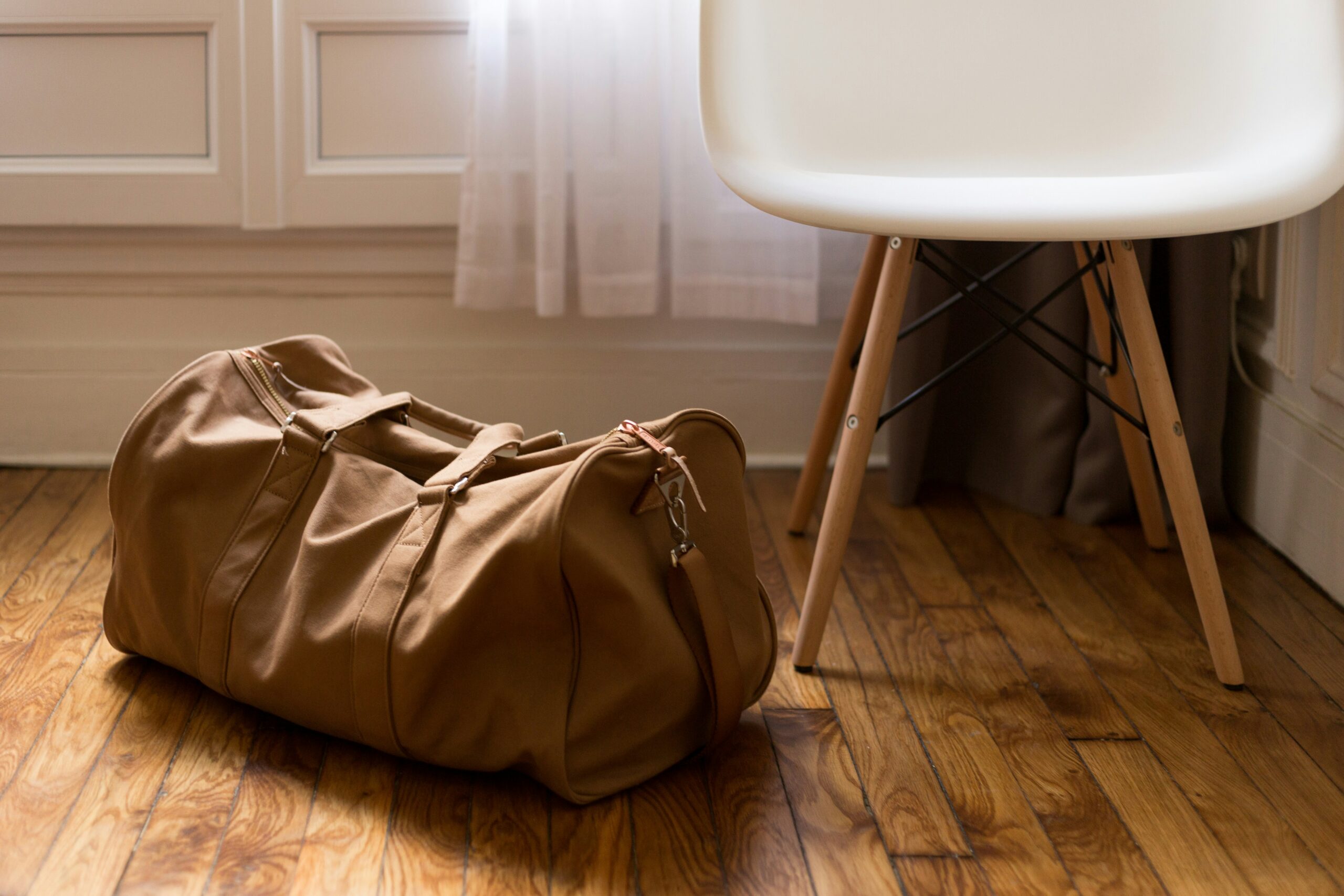
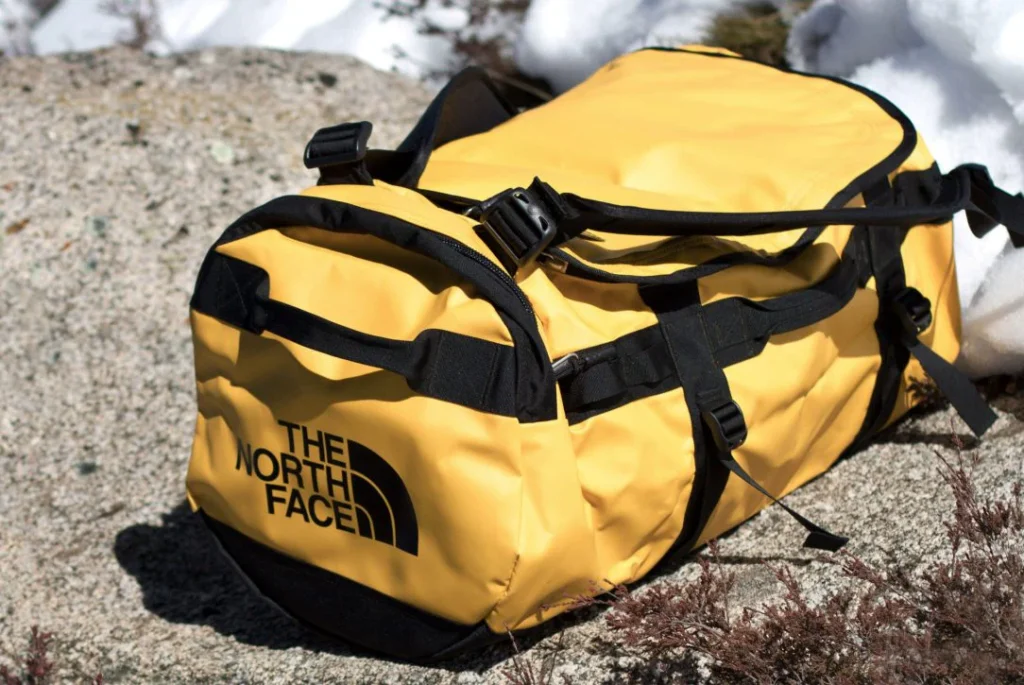
One bag. This is the standard and it is achievable, even for a month. The bag should be soft-sided, not a rigid suitcase: soft bags stow in the curved spaces of a boat’s storage without the gaps that rigid luggage leaves, and they compress down when they are not full rather than maintaining their volume regardless of contents. Sixty litres is plenty. Some people manage with forty.
Nobody needs more than seventy for a month at sea on a boat with a laundry facility and a hot wash available every few days.
This is the actual list. Not the aspirational list that looks sensible in the planning and results in an overpacked bag at the dock. The list built from observing what members use and do not use across many passages and many months, and from the conversations that happen when someone arrives with two bags and discovers by day three that the second bag is entirely redundant.
Clothing
The boat’s social life is informal. There is no situation aboard Naora that requires formal clothing in the European business sense of the word. The evenings at anchor in summer are warm and the dress standard is clean and presentable rather than elegant. The dinners are good enough to deserve some thought, but the thought is about clean and intentional rather than dressed up.
Three to four swimsuits or board shorts, which will be the primary garment for most of the day in tropical and Mediterranean conditions. Four to five t-shirts or light shirts. Two pairs of long trousers or lightweight trousers for evenings and shore visits. One or two slightly more intentional pieces for the dinners that deserve them: a linen shirt, a light dress, something that is a step above the daily kit without being formal.
One good merino long-sleeved layer for night watches and cool evenings: merino because it regulates temperature, does not smell after a day of wear, and dries quickly. One waterproof jacket that is genuinely waterproof rather than water-resistant: on passage, the difference matters. One warm mid-layer for night passages in the Mediterranean spring and autumn.
Two pairs of footwear: soft-soled deck shoes that will not mark the teak, and one pair of shoes suitable for walking ashore without disintegrating in the first rain. Sandals are optional and largely redundant if the deck shoes are comfortable. Everything else in the footwear category is optimism that takes up book space.
The Essentials
Sunscreen that is reef-safe, meaning free of oxybenzone and octinoxate, which are the chemical filters that damage coral systems. This is not optional in the areas we dive: most of the finest dive sites on the Naora route are in reef ecosystems that the chemicals in standard sunscreen actively harm. Physical sunscreen, zinc oxide based, is the correct product. It is available at pharmacies in most ports we visit and is worth sourcing before departure.
Polarised sunglasses. Not just sunglasses: polarised, specifically. The polarisation removes the surface glare from the water and makes the reef and the depth and the colour gradients visible in the way that bow lookout navigation requires. A good pair of polarised glasses is as much navigation equipment as recreation equipment on the Naora route.
A headtorch with good batteries or a USB-rechargeable model. Night watches, anchor work in the dark, the chart table reading without waking the cabin: a headtorch is used more than most people expect and the onboard supply is shared rather than individual.
Prescription medications in original packaging, sufficient for the full stay plus a buffer week. All medications that require refrigeration communicated to the crew before boarding. All allergies and medical history communicated through the pre-boarding health form.
Books and the Notebook
One book per week of your stay, minimum. Then one more. The reading quality on an offshore passage is unlike anything available on land, and the people who bring insufficient books discover this painfully around day five. The boat has a shared library but it represents other people’s tastes and other people’s timing, and the book you specifically want at the specific moment you want it is much more likely to be the one you brought than the one you found on the shelf.
A physical notebook. Not the notes app. The notebook. The specific quality of offshore thinking, the kind that surfaces in the second week of a passage when the reactive layer of the mind has finally gone quiet, produces writing that deserves a surface that is not a device.
People who bring notebooks use them. People who rely on the phone find that the phone remains a phone rather than becoming a journal. The notebook weighs nothing. It costs almost nothing. It produces a record of the passage that will outlast any digital file and that many members describe as among the most valuable things they bring home.
| Category | What to bring | What to leave behind |
|---|---|---|
| Bag | One soft duffel, maximum 70 litres | Hard suitcases, second bags, anything that does not fit in one soft bag |
| Clothing | Swimwear, t-shirts, two trousers, one intentional evening piece, merino layer, waterproof jacket | Formal clothing, heeled shoes, excess shoes, anything that requires ironing |
| Sun protection | Reef-safe zinc-based sunscreen, polarised sunglasses | Chemical filter sunscreen in reef areas |
| Practical | Headtorch, prescription medications, personal toiletries | Electrical items the boat already provides, duplicate equipment |
| Mind | One book per week plus one more, a physical notebook and a good pen | The work laptop unless you have committed to the two-hour morning window only |