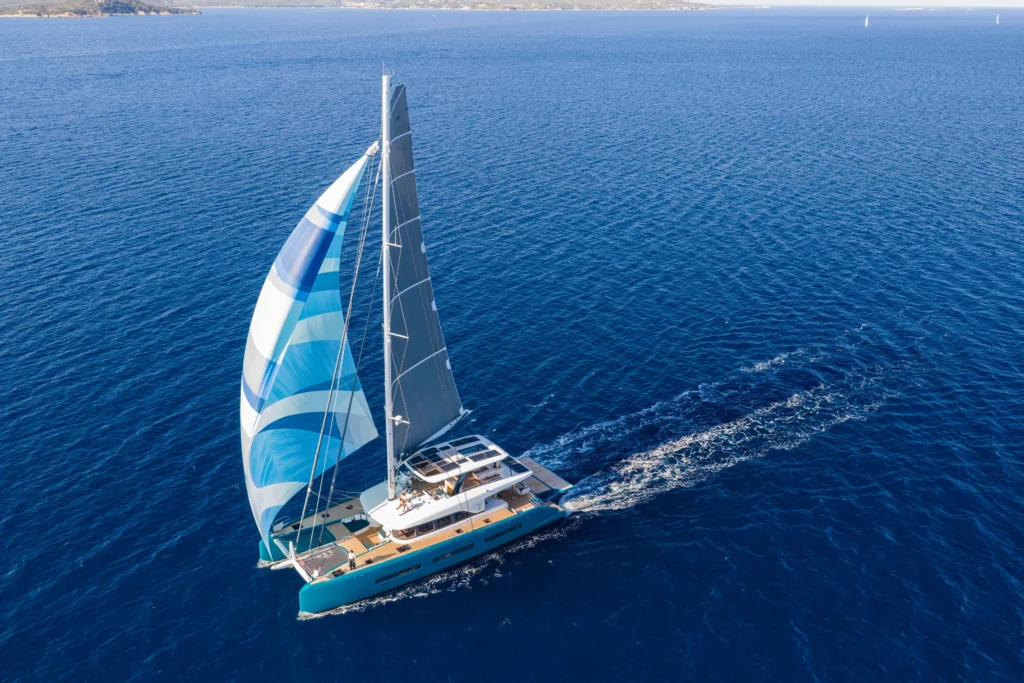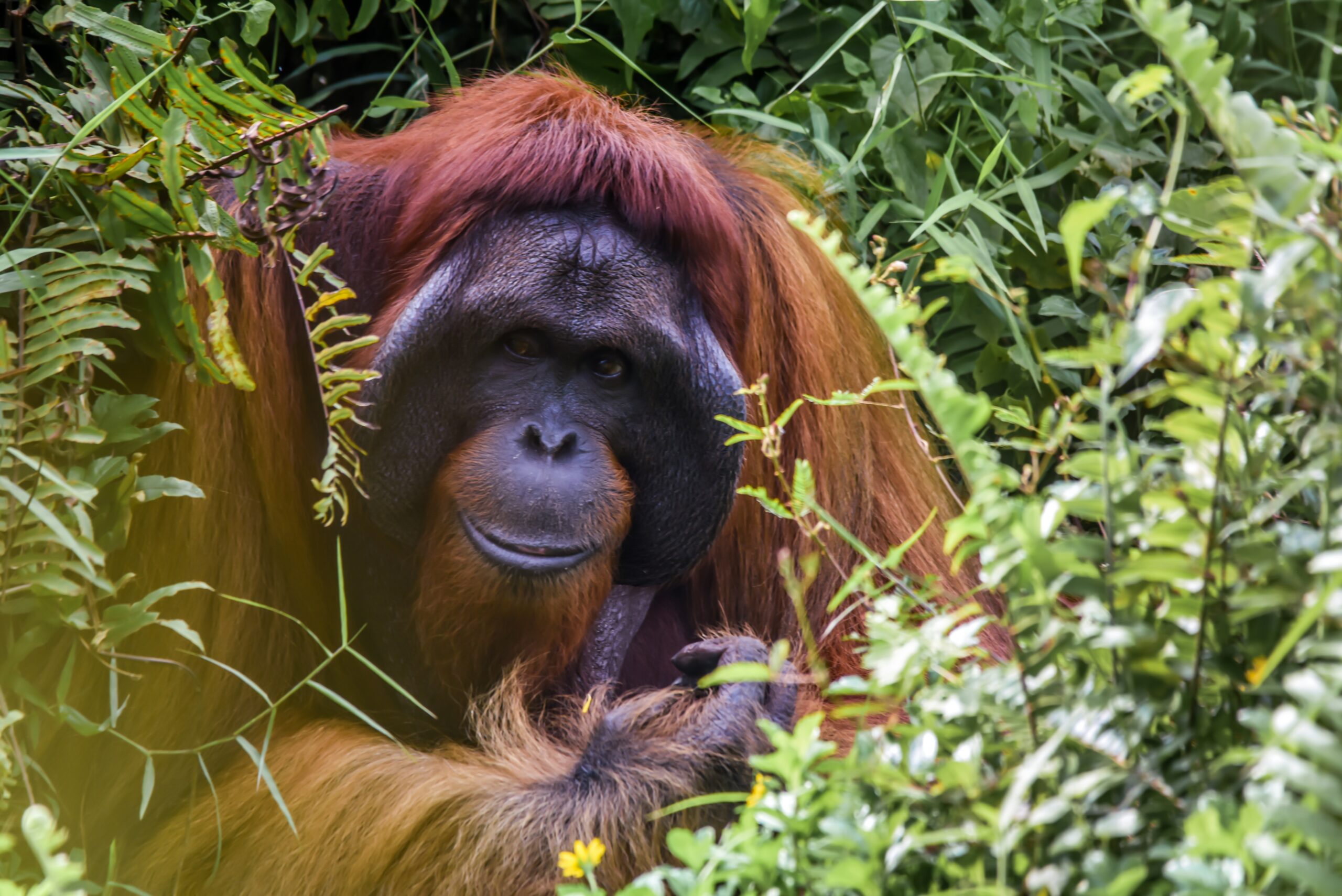
The Naora route passes through the Indonesian archipelago from the Banda Sea through Komodo to Bali and Lombok. This passage places the boat within reach of Borneo: the island of Kalimantan that is one of the last places on earth where wild orangutans exist in primary rainforest in numbers that make an encounter probable rather than exceptional.
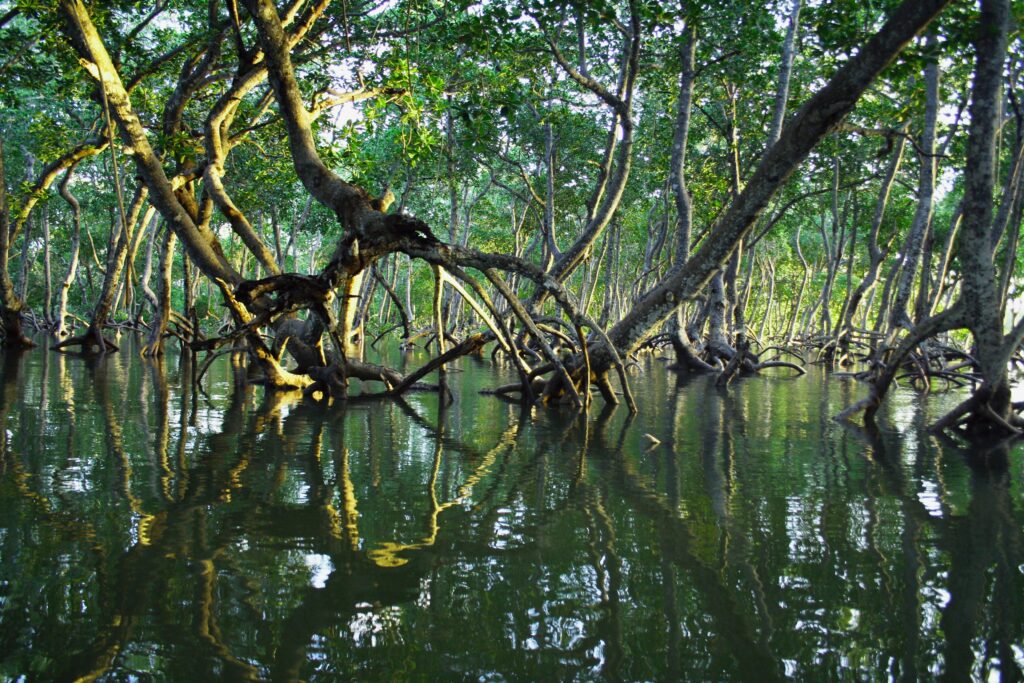
The Eighty2 at anchor in the Makassar Strait provides the platform from which the river journey into the Borneo interior is accessible, and the river journey is the access to the specific environment that no other approach to the orangutan habitat provides: the slow ascent into the forest by water, the pace of a river boat that matches the pace of the jungle rather than the pace of the visitor’s schedule.
The jungle at dawn sounds different from the jungle at any other time. Not quieter: louder in the specific way that the pre-heat hour produces in a tropical forest before the insects have reached the frequency and volume that the midday temperature generates. The gibbons start before full light. Their call, which carries for kilometres in the still forest air, is the alarm clock of the Borneo dawn and the first specific sound that tells you something is alive in the canopy above rather than simply present.
By the time the light is sufficient to read the surface of the river without a torch, the forest is in full acoustic production: the specific symphony of a primary rainforest at dawn that no recording captures and that the person who has heard it once cannot describe to someone who has not.
The First Orangutan
The first orangutan is visible because the forest canopy moves in a way that wind does not explain. Not a dramatic movement: a slow, deliberate displacement of leaf cover in the upper canopy thirty metres above the river, the kind of movement that the eye registers as significant before the brain has identified what is producing it. Then the arm: the specific orange-red limb that hangs from a branch with the relaxed confidence of something that has never needed to be afraid of what is below it because below it, in the history of the species, there was nothing that could reach it.
The orangutan does not look down immediately. It continues what it was doing before the boat arrived, which is the specific unhurried feeding that an animal with no natural predators and abundant food and the entire upper canopy of a primary forest as its daily range does when the morning is producing what mornings produce.
The eye contact, when it comes, is the eye contact of something that is assessing the boat and the people in it with the specific intelligence of an animal whose brain structure is closer to the human brain than any land animal other than the chimpanzee and the bonobo. The assessment is visible. The conclusion it reaches is, in most encounters, the conclusion of indifference: you are there, I am here, neither of us is a problem for the other, I will continue with my morning.
What the Encounter Leaves
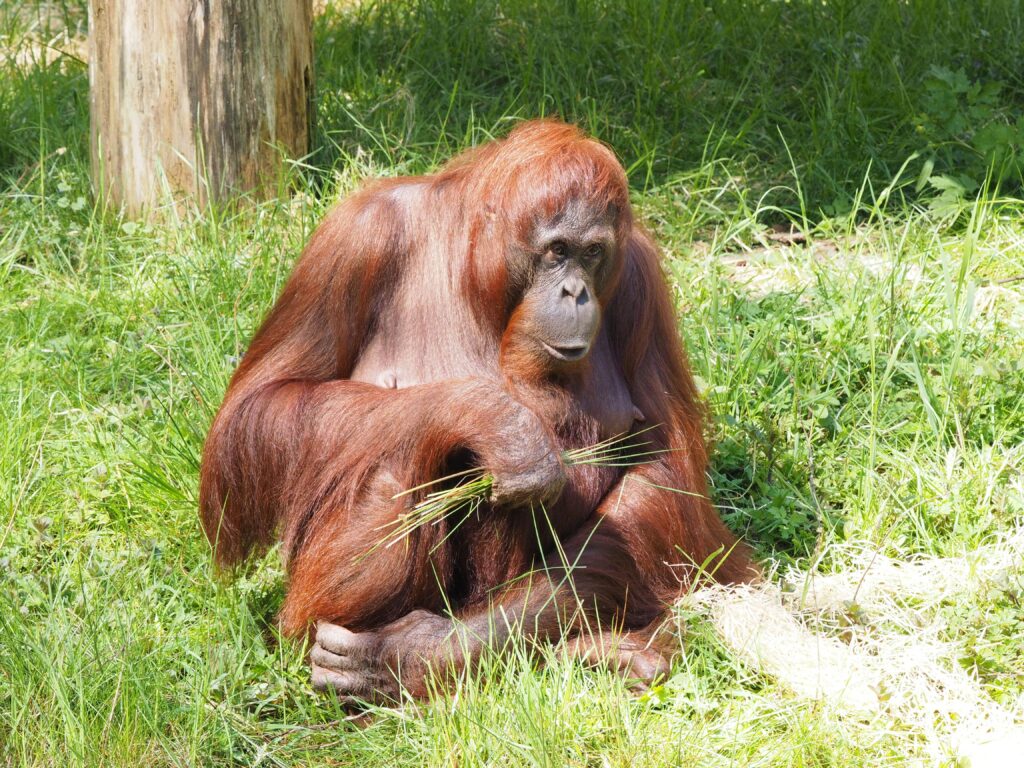
The encounter with a wild orangutan in primary forest leaves something specific that the zoo encounter and the rehabilitation centre encounter do not leave: the experience of being in the presence of something that is completely itself in its complete environment, unmanaged and unmediated, going about its life in the forest that the life of the species produced over millions of years of evolution and that the palm oil plantation is reducing at a rate that the satellite imagery makes terrifyingly clear when you overlay it with the territory that the satellite imagery shows was primary forest twenty years ago.
The Naora route passes through these waters at the specific moment in the history of the orangutan’s range when the difference between primary forest and its absence is still visible in the contrast between what the river above the plantation boundary shows and what the river below it shows. The boat that travels up that river carries people who will not forget what they saw, in either direction of the comparison. The memory is the beginning of the understanding of why the things that the route passes through are worth passing through with the quality of attention that genuine presence provides.