The Pacific is not ours. This seems obvious until you consider how rarely the people who sail through it behave as though it were true. The anchorages we visit, the reefs we dive, the villages we approach by tender, the communities who receive us with a warmth that consistently exceeds anything we have done to deserve it: all of these belong to people and to places that have their own relationships with the sea, their own rights to it, their own history with it that predates any visiting yacht by centuries or millennia.
This is not a political argument. It is a practical one about what kind of traveller you want to be and what kind of experience the sea actually offers to people who approach it with the correct posture. The correct posture is not tourist, not explorer, not discoverer. It is guest. A guest who has been invited by the generosity of the ocean itself and by the specific hospitality of the communities who live alongside it, and who understands that the invitation carries obligations.
What the Posture of Guest Actually Means
In practice, being a genuine guest rather than a visiting tourist involves specific behaviours rather than a general attitude. It involves asking before entering a community space rather than assuming access. It involves learning the specific local protocol for approaching a village in the Pacific, which varies between archipelagos and sometimes between islands in the same archipelago, and following it regardless of whether it is formally enforced or simply expected by the people it represents. It involves the willingness to sit with discomfort when the protocol requires something that is outside your habitual social script, rather than defaulting to the familiar script and hoping the departure from local expectation will be overlooked.
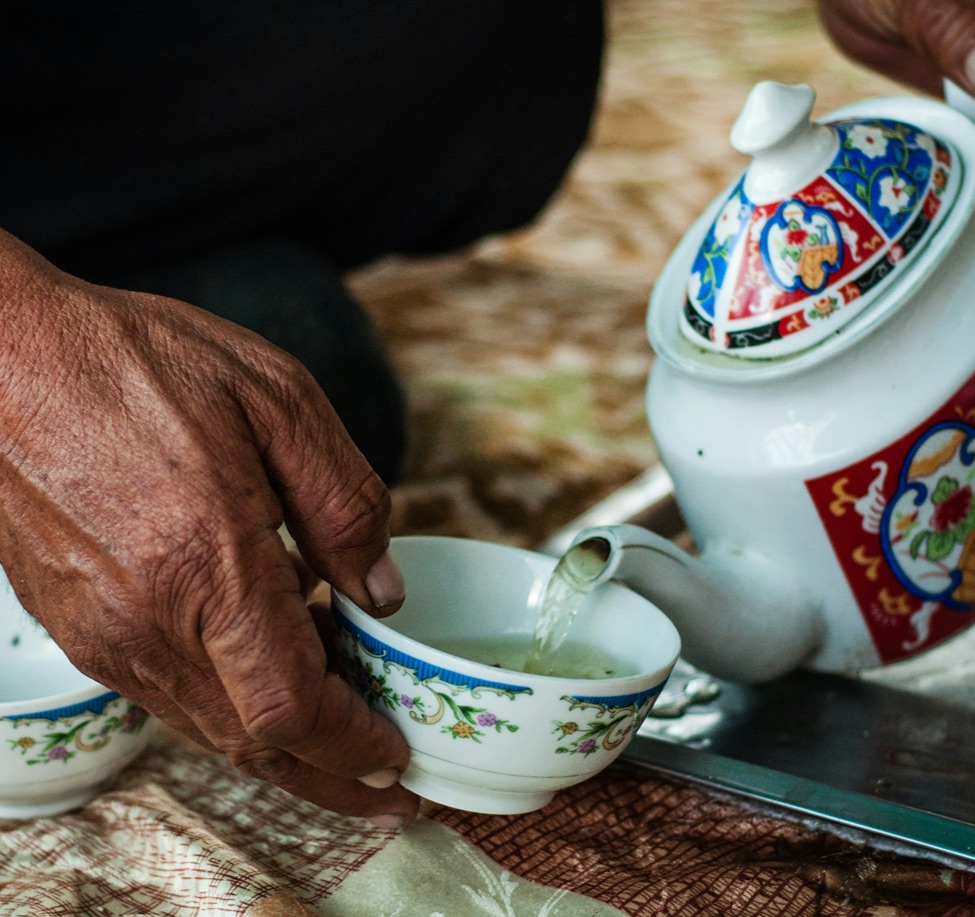
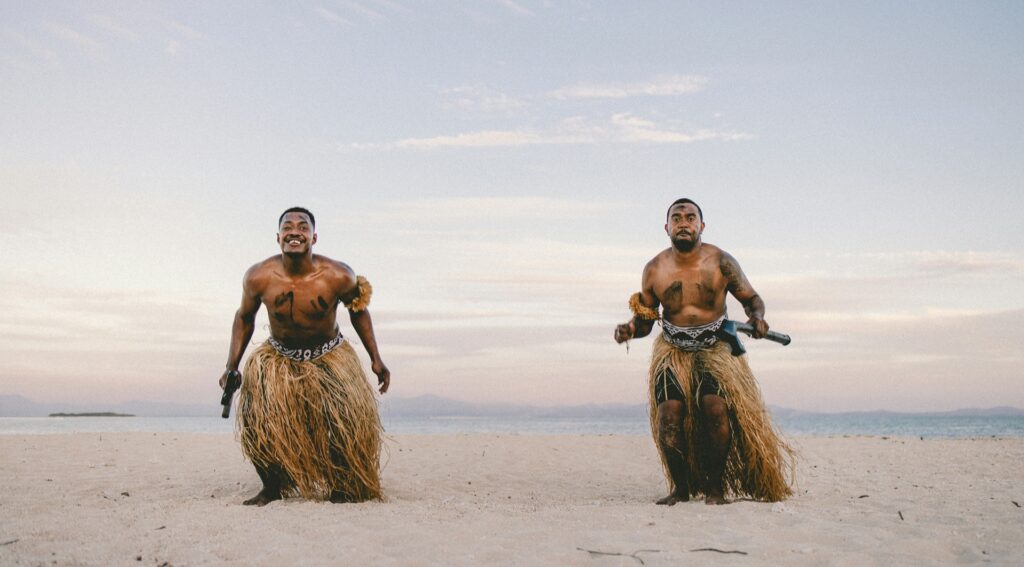
In the Fijian and Tongan communities we visit, the sevusevu ceremony is the correct way to request permission to anchor and to enter the village: kava root offered to the chief, accepted in the specific form that the tradition requires, the permission granted and the relationship established. This takes twenty minutes. It is not complicated. It produces a quality of welcome and relationship with the community that the boat that arrived without it, anchored in the same bay, and went ashore without ceremony does not receive. The twenty minutes is not a cost. It is the price of access to the real thing rather than the tourist version of it.
The Reef as Someone’s Kitchen
The reef in the Tuamotu atoll where we spearfish is someone’s food source. Not abstractly, in the political sense of indigenous fishing rights, though that is also true. Literally: the families on the motu have been eating from that reef for generations, and the specific fish populations on specific sections of the reef have been managed, informally but consistently, to remain productive. When we dive the reef, we are in their kitchen. The correct response to being in someone else’s kitchen is not to help yourself to whatever you want. It is to take what you are offered or what you have established is available, to leave the rest as you found it, and to thank the host for the access.
We do not spearfish in the immediate vicinity of the village reef without asking. We do not take species that the community depends on for subsistence. We do not take in quantities that exceed what we will eat. These are not complicated rules. They are the natural expression of the guest posture applied to the specific context of diving in a community’s fishing grounds. And the communities that see us behave this way, over time and over return visits, are the communities that invite us to eat with them and take us out on their boats and share the knowledge of their reef that only comes to people who have demonstrated they can be trusted with it.
What Being a Good Guest Produces
The practical outcome of the guest posture is, selfishly stated, a better experience. The community that receives a boat as a genuine guest rather than a tourist provides access to things that tourism cannot buy: the meal in the village, the fishing trip on the outrigger, the knowledge of where the good diving is that only the people who live there know. These experiences, which are consistently the most meaningful on the Naora route, are not available to boats that arrived and behaved as though the anchorage and the reef and the village were amenities provided for their benefit.
The less selfish outcome is that the places we visit are left in approximately the condition we found them. The reef was not depleted. The village was not made to feel like an attraction. The community was engaged as a community rather than photographed as a backdrop. The next boat that arrives finds what we found: a place that is still intact, still proud, still willing to extend the hospitality that it extended to us because the previous boat did not abuse it.
We are guests. The ocean is not ours. The posture this requires is not complicated and it is not a sacrifice. It is the condition for having the experience that the sea actually offers, which is not the experience of a place consumed but the experience of a place understood. The latter is available only to people who arrived as guests and behaved accordingly.