Sleep is the most underestimated performance variable in the offshore sailing context, and the one that creates the most anxiety in people considering a long passage for the first time. The three-hour watch rotation means that no sleep block during a long passage exceeds approximately five to six hours at the most, and on an active passage with conditions requiring closer attention, the practical sleep blocks are often three to four hours.
This is not the seven to nine hours that sleep researchers recommend for optimal cognitive function, and the gap between the recommendation and the reality is a genuine performance cost that the offshore sailor accepts in exchange for the experience they are choosing.
What the sleep research on polyphasic sleep, and the practical experience of thousands of offshore sailors, both show is that the human body is considerably more capable of adapting to shorter, more frequent sleep blocks than the seven-to-nine-hour monophasic norm suggests. The adaptation is real and it takes time. Here is what the research says and what the practical experience adds.
What the Research Shows
The polyphasic sleep research shows that the body’s sleep architecture, the cycling through light, deep, and REM sleep stages that constitutes a full sleep cycle, compresses under conditions of sleep restriction in a way that prioritises the most physiologically essential stages. The deep slow-wave sleep that supports physical recovery and immune function is protected more strongly than the REM sleep that supports memory consolidation and emotional processing: the body triage sleep quality when quantity is restricted, preserving the functions that are most immediately necessary for survival.
This is not a perfect system. The cognitive costs of chronic sleep restriction are real and accumulate. But the body manages the restriction better than the seven-to-nine-hour recommendation implies, particularly when the restriction is structured as regular shorter blocks rather than irregular total deprivation.
The nap research is specifically relevant for offshore sailors: naps of twenty to ninety minutes taken in the off-watch periods provide a measurable cognitive benefit that extends across the subsequent watch period, with twenty-minute naps providing the alertness benefit without the sleep inertia that longer naps produce when the napper wakes from deep sleep. The offshore sailor who masters the twenty-minute nap has a cognitive tool that the shore-based person rarely develops because the shore-based context rarely creates the specific incentive to develop it.
What the Practice Adds
The practical experience of experienced offshore sailors adds several things that the research does not fully capture. The first is that the speed of falling asleep, which on land for most people is a process of fifteen to thirty minutes of relaxation before sleep arrives, compresses dramatically with offshore experience: the sailor who has been on passage for a week or more can be asleep within five minutes of lying down, because the body has learned that the off-watch window is short and that the choice between ruminating and sleeping has a very clear correct answer.
This ability, which develops naturally with offshore experience, can be deliberately trained on land through the practices that sleep researchers call stimulus control and sleep restriction therapy: reserving the bed exclusively for sleep, maintaining consistent sleep timing, and systematically shortening the time spent in bed awake until the association between bed and sleep is strong enough to produce rapid sleep onset.
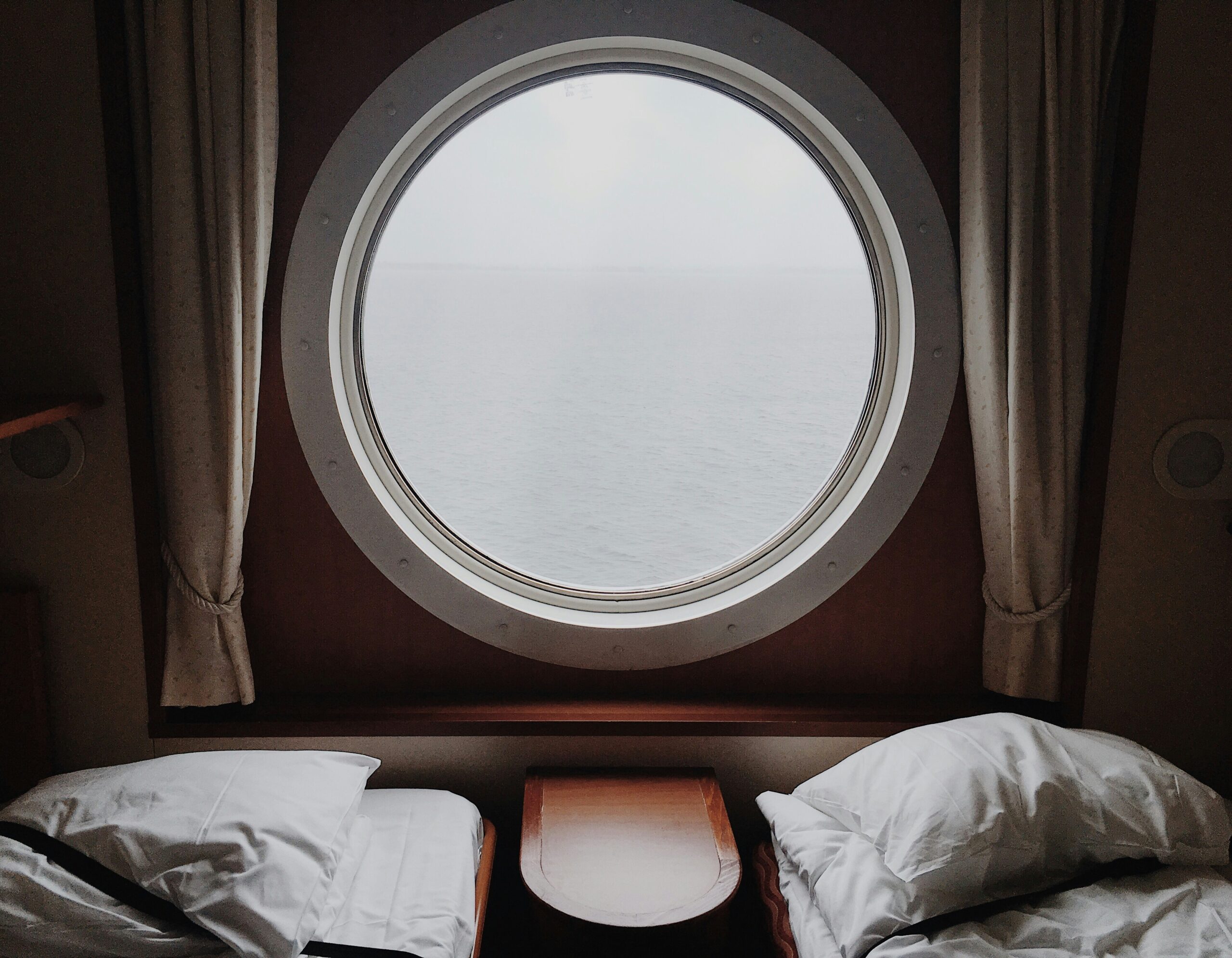
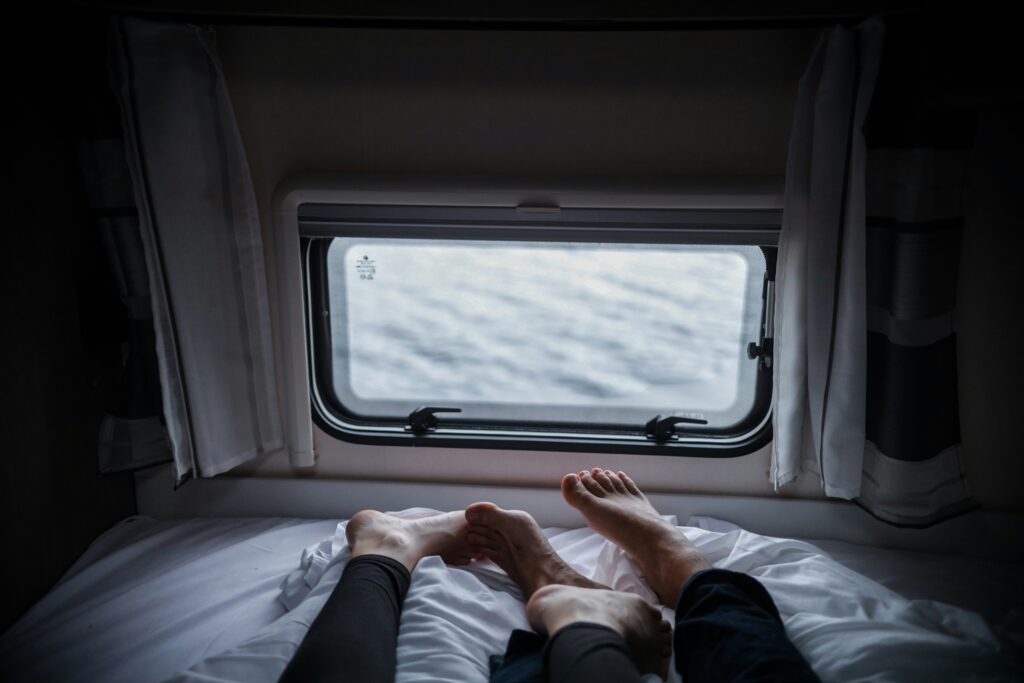
The second practical addition is the role of the physical environment in offshore sleep quality. The berth on a sailing boat is not the bedroom on land: it is a wedged, enclosed space that the body fills completely and that limits the postural options available during sleep.
The sailor who sleeps well in this environment has developed the specific physical tolerance for restricted sleep posture that takes several passages to build and that cannot be fully replicated on land. What can be replicated is the sleep in varied positions practice: the deliberate training of the ability to sleep in any position that the environment provides, rather than the single preferred position that the comfortable bed reinforces.