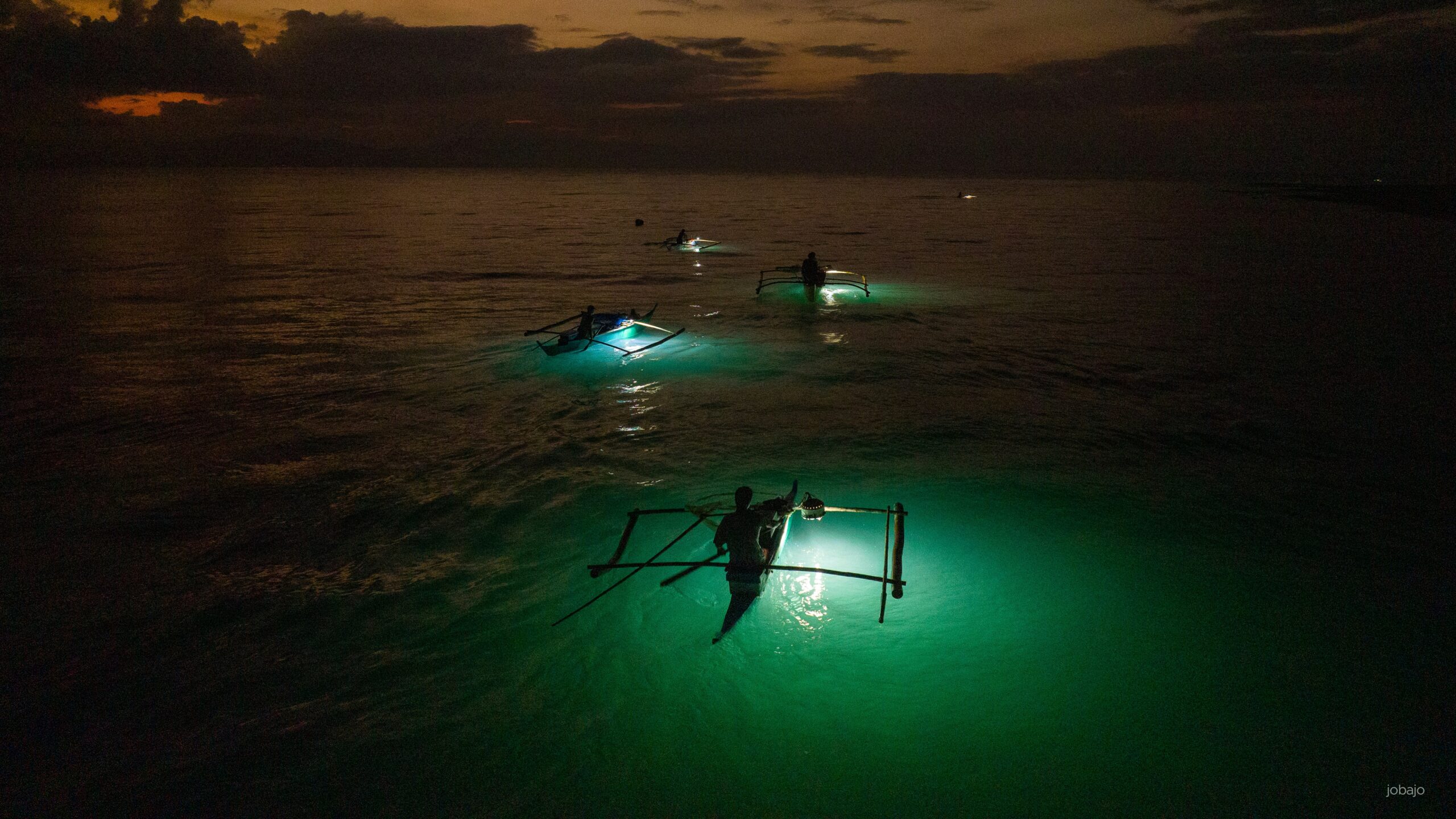
The trolling line stays out at night on passages when the conditions allow it. Not always: a passage in strong conditions with following seas that put the stern in motion reduces the lure’s action and the likelihood of a strike, and in those conditions the line comes in before dark. But on a calm trade wind night, with the boat running smoothly before a fifteen-knot breeze and the autopilot holding a steady course, the line goes out at dusk and we check it at the watch changes until something hits it or the dawn suggests it is time to focus on other things.
Night fishing from a passage-making boat is not the same activity as day fishing. The technique is the same: trolling lure at seven to eight knots, mono line on the reel, clipped to the stern cleat. But the experience of managing a strike in the dark is entirely different, and the species that hit at night in the open ocean are sometimes different to the species that hit in daylight.
What Hits at Night
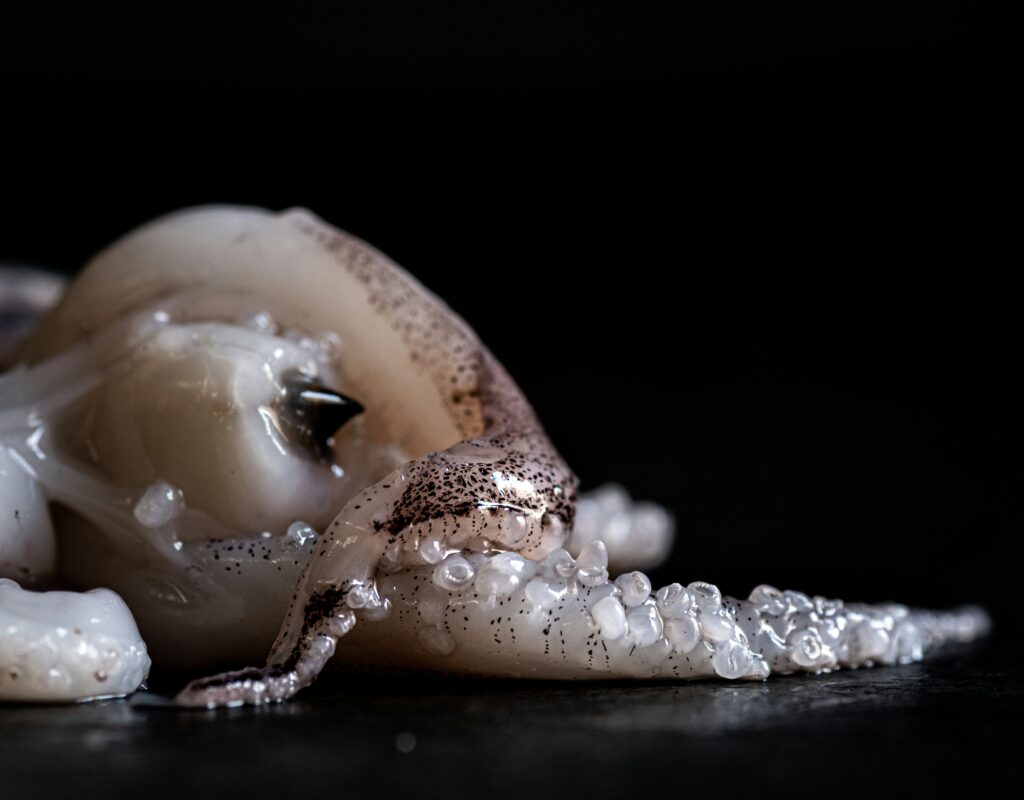
The squid are the unexpected yield of night fishing that most day fishing never produces. In the trade wind latitudes, the squid migrate to the surface at night to feed, and they are attracted to the lure in numbers that the daytime fishing never sees. A squid strike is unmistakable: the line goes taut in a different way to a fish, without the running surge of a pelagic predator, and the weight at the end is dense and resistant rather than fighting. When the squid comes over the side it produces a specific quantity of ink on everything it contacts, which is an occupational hazard of night squid fishing that the watch crew manages with varying degrees of success. The ink washes off. The squid, prepared the following morning by the chef, is among the finest eating the passage produces.
The mahimahi also hit at night, attracted by the boat’s deck lights when they are on during a squally period or by the bioluminescence that the hull generates in productive water. A night mahimahi strike is the same event as a day mahimahi strike in its mechanics, but the management of it is more demanding: the reel screaming in the dark, the torch clamped between the teeth, the crew mate locating the gaff by feel rather than by sight, the landing achieved without seeing the fish properly until it is over the stern and in the torchlight. These are the landings that get described in the most detail at the following morning’s breakfast.
What Night Fishing Produces Beyond Fish
The fishing line at night changes the quality of the watch in a specific way that is worth describing. A watch without a fishing line is primarily an instrument watch: the compass, the instruments, the horizon, the AIS. These are the things that require attention and they receive it, but the attention is a monitoring attention rather than an anticipatory one. The fishing line adds an anticipatory dimension: something might happen at any moment from the stern, and the watch crew is alert to it in a different way than the instruments require. Not anxiously, but with the specific alertness of someone who is waiting for something rather than watching for something.
This alertness changes the character of the night watch in a way that I find valuable beyond the fish it occasionally produces. The watch crew who has the fishing line is connected to the ocean through the line in a physical way that the instruments do not provide. The tension of the line communicates the sea’s behaviour: the swell, the boat’s speed, the specific drag of the lure through the water. It is a minor but real addition to the sensory information available to the watch, and a minor but real reminder that the boat is moving through a living ocean rather than an empty one.