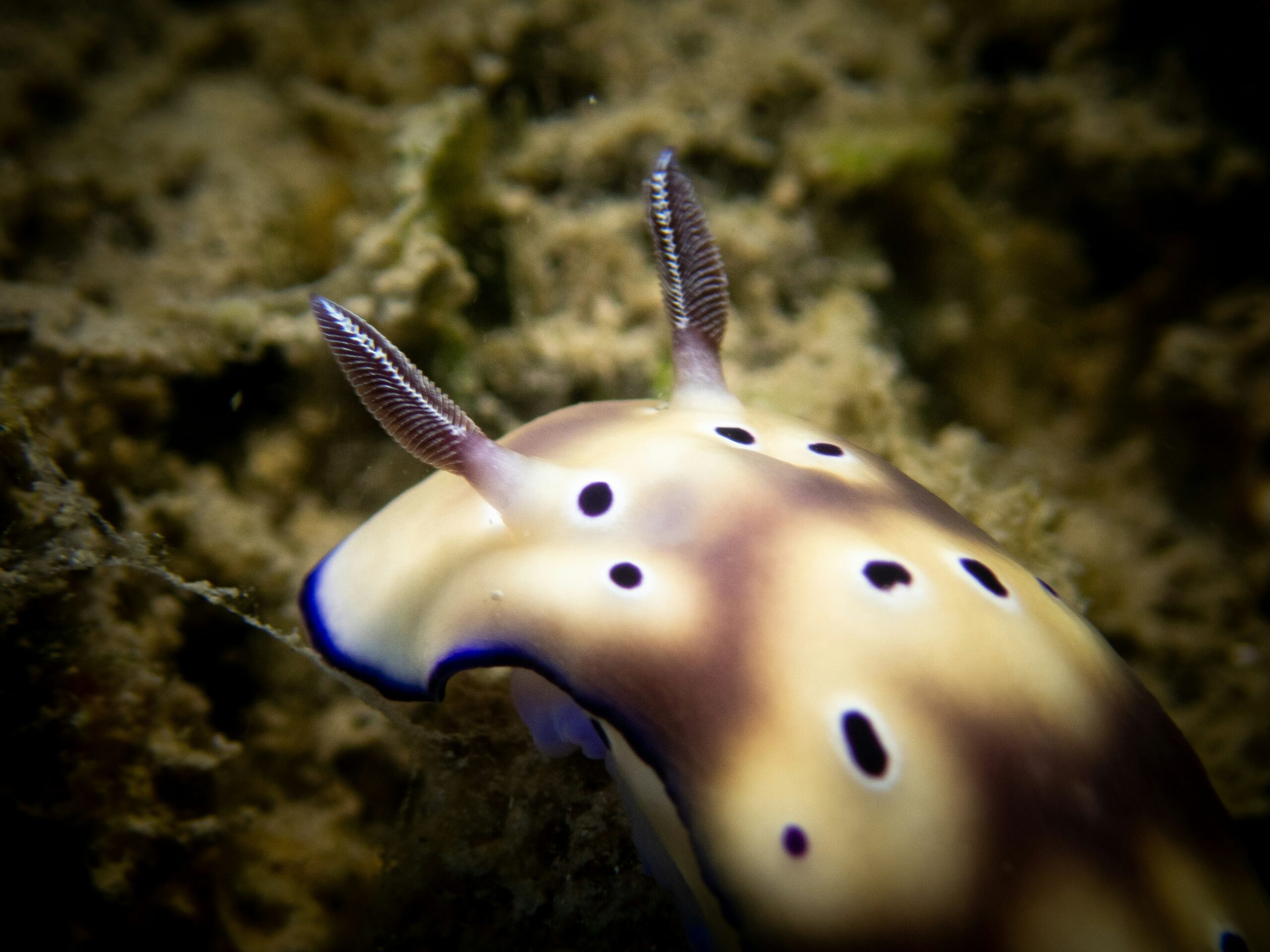
The reef during the day is the reef the photographs show: the coral in the ambient light, the reef fish in the specific behaviour that the daytime produces, the visibility that the sun’s angle and the water’s clarity combine to provide at the species and depths that the daytime diving programme visits.
The reef at night is a different environment in the specific way that the day and the night produce different versions of the same place on land: the same species present, many of the same behaviours absent, the specific species and behaviours that the darkness makes active replacing the ones that the light supports.
The Indonesian night dive is one of the most specific experiences available on the Naora diving programme, and it is available specifically because the Eighty2’s onboard compressor fills the tanks from the vessel at anchor rather than requiring the shore dive centre that the conventional night dive is organised around. The night dive from the shore dive centre requires the dive centre to be open and the shore to be accessible and the boat that transports the dive group to the site to be available.
The night dive from the Naora anchorage requires the boat to be anchored at the site, the compressor to have filled the tanks during the afternoon, and the dive group to be ready to enter the water at the hour the night dive requires, which is the hour after the specific transition from the diurnal to the nocturnal that the tropical reef produces at approximately twenty minutes after the sun sets.
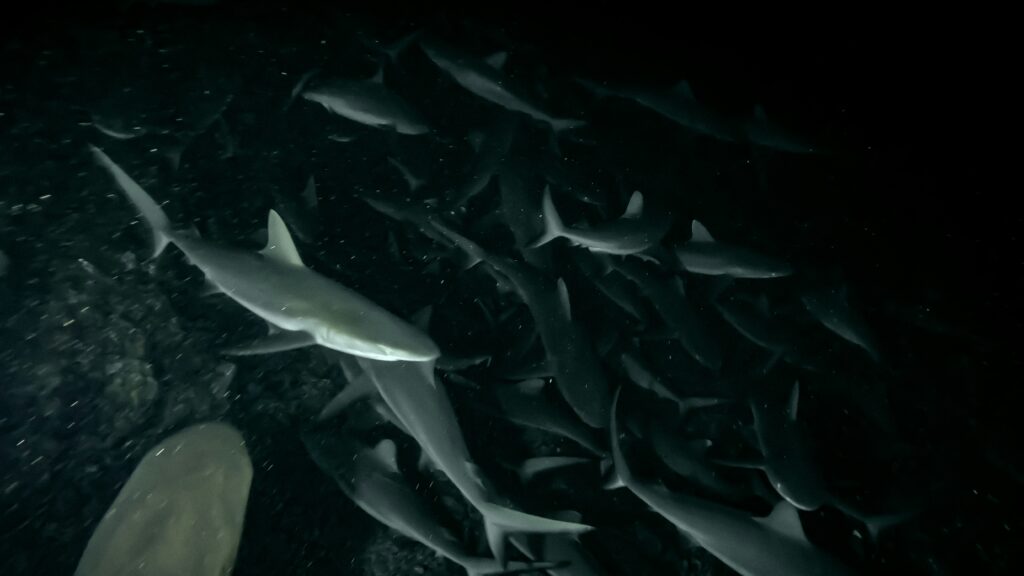
What the Torch Reveals
The torch beam on the night reef reveals the species that the daytime reef conceals. The sleeping parrotfish in its mucus cocoon, the protective bubble it secretes overnight that the diurnal reef diver passes on the way to the coral formations the parrotfish occupies during the day. The octopus on the hunt, visible in the darkness as the specific movement pattern of a predator who does not need the ambient light that the ambient light divers depend on, moving across the reef surface with the speed and the direction-change that the daytime octopus at rest in its den does not produce.
The Spanish dancer nudibranch, one of the largest and most visually extraordinary of the Indo-Pacific nudibranchs, that the daytime reef rarely shows and that the night reef produces in the specific combination of the torch beam and the dark water that makes the crimson of the nudibranch’s undulating movement visible against the black water in a way that the ambient light of the day reduces to the background colour of the reef.
The night dive requires the specific trust in the darkness that the daytime diver has not been required to develop: the trust that the torch beam is sufficient, that the reef that was familiar in the ambient light of the day is the same reef in the torch beam’s specific illumination, that the sounds the water produces at night, which are different from the sounds it produces during the day, are the sounds of the reef’s nocturnal activity rather than the sounds of anything requiring a response.
This trust is available to the member who has done enough daytime diving in the same water to have the reef’s layout in the body rather than only in the memory. The Naora diving programme builds toward the night dive across the leg’s daytime sessions. By the time the night dive is available, the diver knows the reef in the form that the darkness requires.