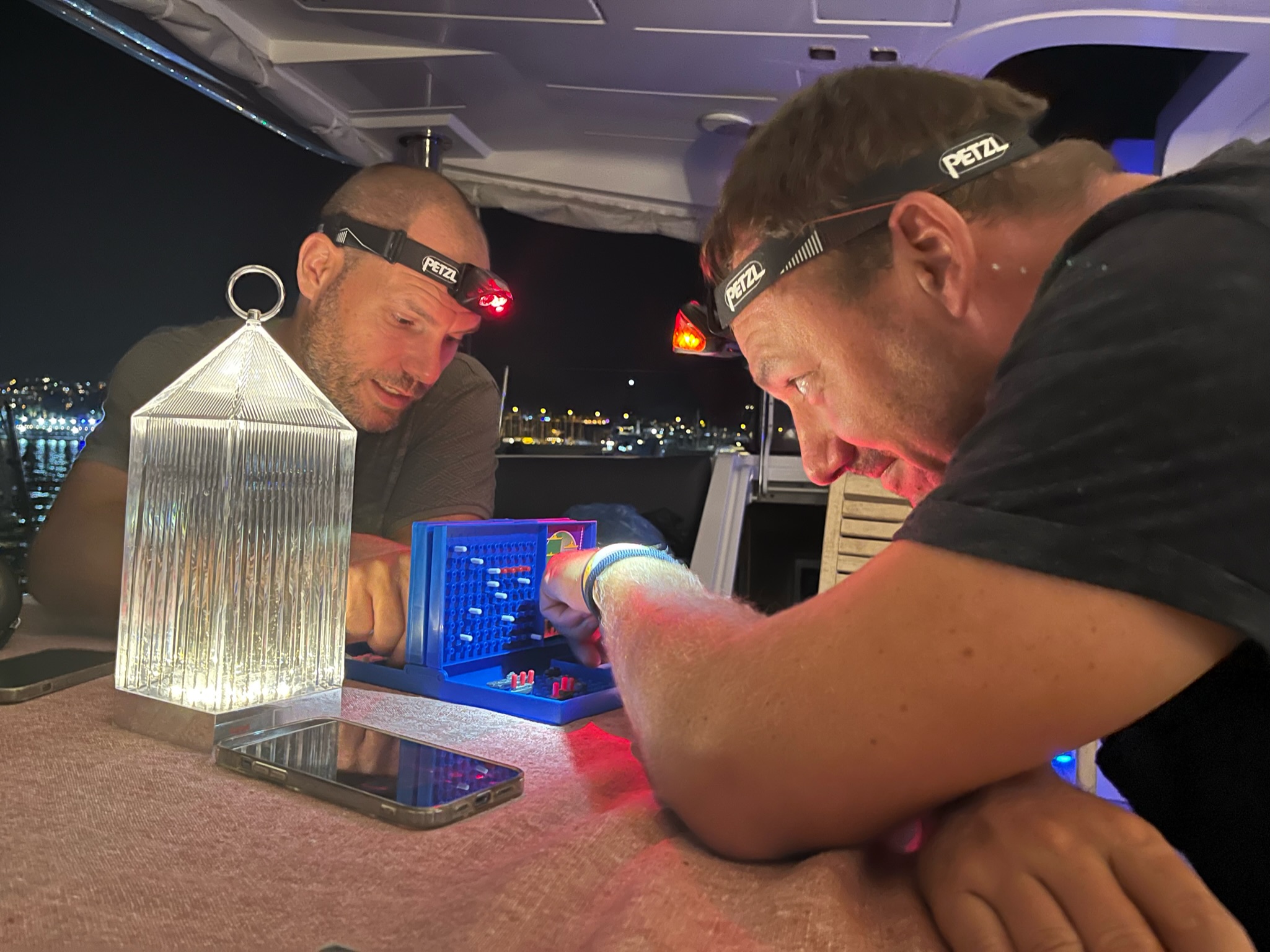
The evening before the Atlantic departure is the evening that Ludo and I spend at the navigation station without a fixed agenda and without the crew present. Not by design, the crew knows to give us this time without being asked for it, in the way that the people who have worked together long enough know which conversations happen between two people rather than among the group.
We go through the passage plan together. Not because either of us needs the other to check it, we have both reviewed it independently and the plan is correct. We go through it together because the going through it together is different from going through it alone and the difference is the confidence that the shared review produces in the person who will be responsible for the passage in the hours when the other is below.
Ludo asks the questions that he would ask regardless of how confident he was in the plan. What is the decision point if the weather deteriorates between day three and day five? What is the diversion port if the scenario we are not planning for requires a diversion? What is the watch system change we make if we lose a crew member to seasickness in the first forty-eight hours and the watch rota needs to be rebuilt around four people rather than five?
These are not the questions of the person who doubts the plan. They are the questions of the first mate who has been offshore long enough to know that the plan is the plan until the passage makes it something else, and who wants the captain and himself to have already talked through the scenario that the passage will eventually produce in one form or another.
What All Years of Offshore Trust Feels Like
I have been sailing offshore for long enough. I have sailed with many people. The specific quality of the offshore professional trusts the trust that the passage produces between the people who manage it together, that the night watch hands over to the person who takes it from them, that the difficult sea tests and the smooth passage confirms is the quality that takes years to develop and that cannot be accelerated by the intention to develop it. Ludo and I have it.
The conversation the evening before the Atlantic departure is the expression of it: two people who know each other’s judgment well enough to ask the hard questions without the hard questions feeling like challenges, and who come away from the conversation with the specific confidence of the passage that has been thought through by two people who know what the offshore passage requires.
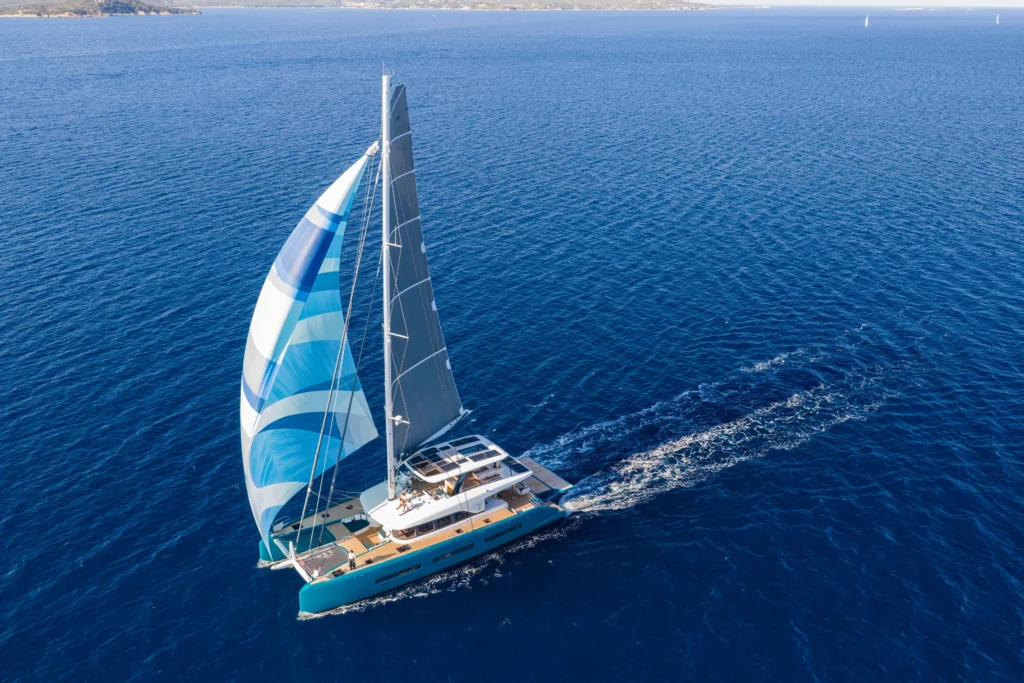
The members on the Atlantic crossing do not hear this conversation. They board the following morning and the boat departs and the passage begins and everything runs the way it runs because the conversation the evening before produced the two people at the helm and the navigation station who have already thought through the thing that the passage may ask of them.
The members eat and sleep and watch and dive and arrive in Barbados twenty-two days later having had the passage that Ludo and I talked through in Las Palmas the evening before they boarded. This is what the offshore professional trust looks like from the outside. From the inside, it is a conversation at the navigation station between two people who know what the ocean asks and who have decided together that they are ready to give it.