The Solomon Islands are not on most people’s travel list. This is not because they are not worth visiting, they are among the most extraordinary marine environments and island cultures in the Pacific. It is because they are not accessible in the specific form that the destination needs to be accessible to appear on the travel list of the person who plans holidays from the conventional range of options: no direct flights from Europe, no luxury resort infrastructure of the kind that the Maldives and Bali and Phuket have built around the destination tourism market, no day-tour infrastructure connecting the airport to the offshore islands where the exceptional things are.
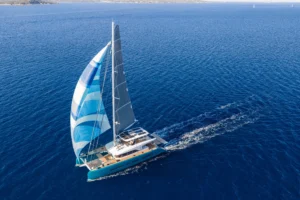
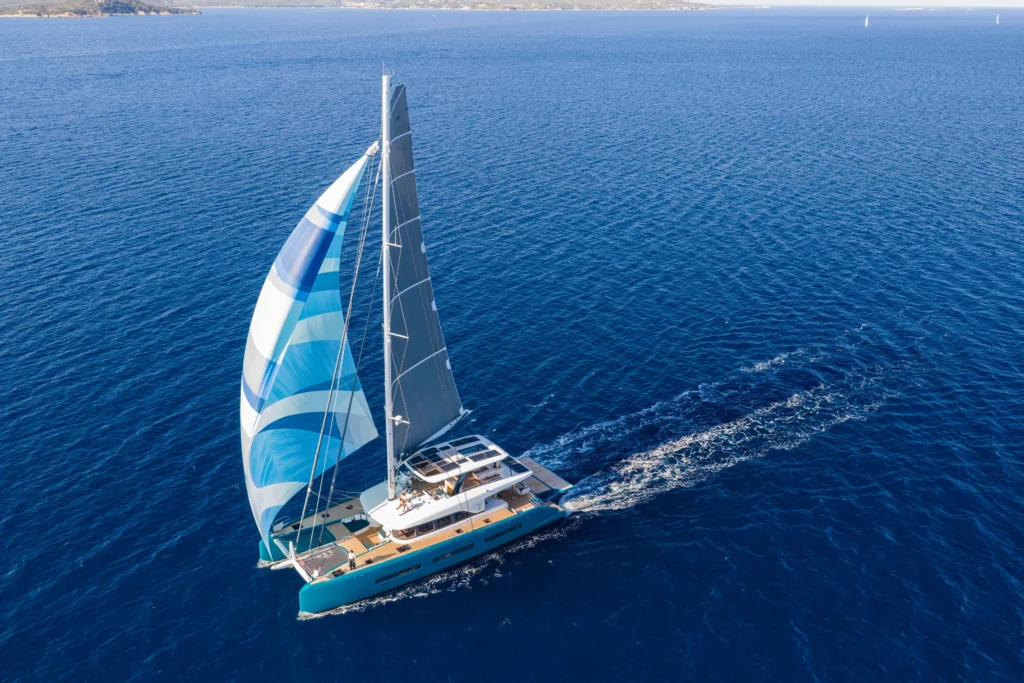
The Solomon Islands are accessible to the offshore sailing vessel and to the traveller willing to navigate the local infrastructure. For the Naora voyage, they are a natural and extraordinary stop on the route between Indonesia and the northern coast of Australia.
The marine environment of the Solomons is among the finest the Naora route visits. The coral coverage and the fish density and the specific biodiversity of the Coral Triangle’s eastern edge are the qualities that the dive community that has been coming here on liveaboard vessels for decades knows and that the broader travel world has not yet received in the form that the magazine article and the Instagram account typically deliver the destination.
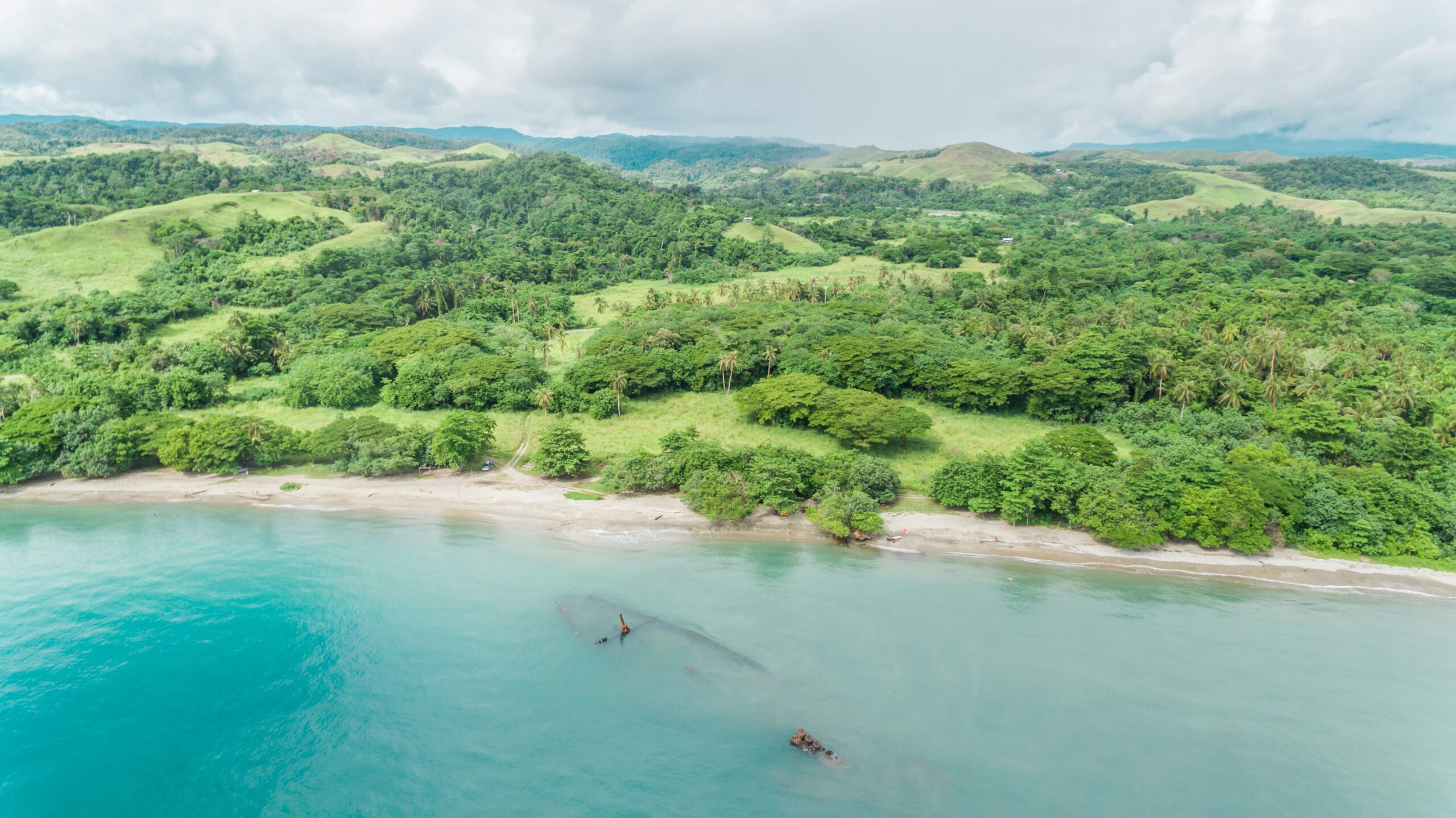
The wrecks of the Second World War Pacific campaign, the Japanese and American naval vessels that the battles of the Solomons left on the seabed, now colonised by the coral growth of eighty years and the fish life that the reef structure supports, are the specific dive sites that the Solomons offer and that no other location on the Naora route replicates.
The Villages and the Culture
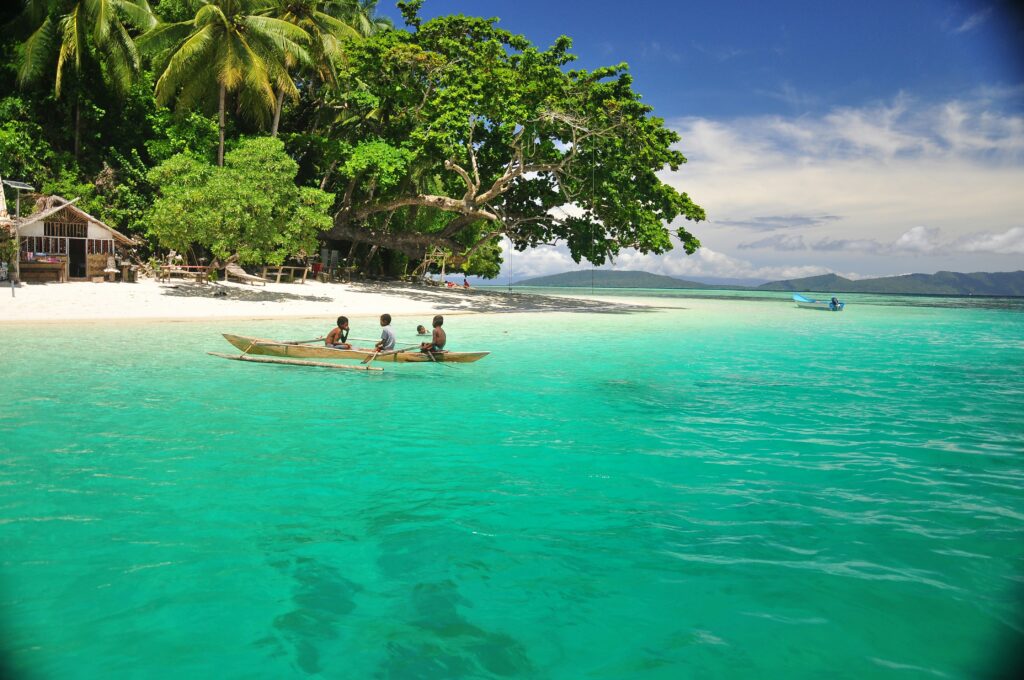
The island communities of the Solomons are the communities that the offshore sailor visits in the specific form that the offshore sailing access provides: by dinghy from the anchored boat, through the village rather than through the resort, in the encounter between the boat and the community that the boat’s presence in the anchorage naturally produces.
The canoes that come alongside in the morning. The fish that the fishermen bring to the boat from the night’s catch. The children who appear at the beach when the dinghy comes ashore. The specific quality of the encounter that the offshore arrival produces and that the resort arrival, which buffers the guest from the unmanaged version of the local reality, consistently prevents.
The Solomon Islands are the end of the Pacific chapter and the beginning of the Indian Ocean approach. They are the last islands before the Naora route turns west toward Indonesia and the Coral Triangle and the Indian Ocean crossing.
For the member who has been on the Pacific legs of the circumnavigation, the Solomons are the reward at the end of the longest ocean: the islands that the Pacific was building toward, in the specific form that the offshore arrival and the absence of the tourist infrastructure make available. The best part of the Pacific chapter arrives at the end of it, in the way that the best parts of the long journey often do.