There is a smell that arrives before the rain does. It comes on the wind about ten to fifteen minutes before the squall reaches the boat, when the downdraft from the convective cloud pushes the air ahead of it across the surface of the ocean and the specific chemistry of the encounter between the rain-cooled air and the warm ocean surface produces the smell that the offshore sailor learns to recognise as the announcement of the weather that the eye will confirm a few minutes later when the dark base of the squall is visible on the horizon.
The land has a version of this smell, the petrichor that the rain on dry soil produces, the specific aromatic compounds that the soil bacteria release when the moisture arrives. This is a real and beautiful smell and if you have been caught in the countryside thunderstorm you know it. The ocean version is different. There is no soil, no petrichor, no bacterial chemistry.
There is the salt surface and the fresh water meeting it, the specific temperature differential, and the ozone that the electrical activity in the convective cloud produces and that the downdraft brings to sea level. The smell is clean in the way that the things without organic matter are clean, the specific chemical neutrality of the encounter between the fresh and the salt, the rain and the ocean, the cool and the warm.
The Squall Itself
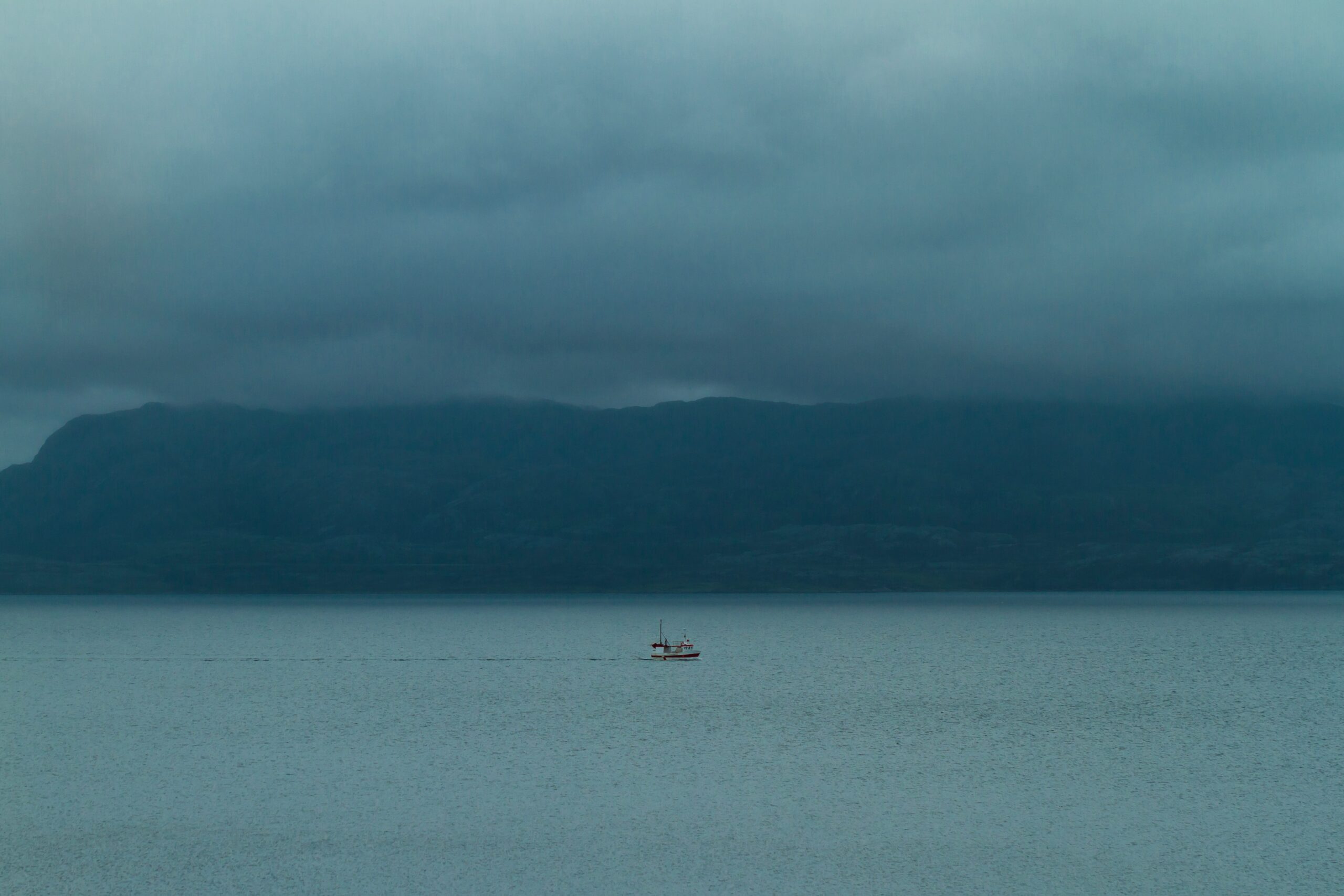
The tropical squall arrives fast and leaves fast. The wall of rain is visible from three miles away and it moves at the speed of the wind driving it, thirty minutes from the horizon to the boat to past the boat and gone, leaving the deck washed clean of the salt that the previous day’s spray had deposited, the sails darker for the wet and the rigging dripping, and the specific quality of the air after the tropical rain that anyone who has been in the tropics knows and that anyone who has not been in them cannot quite reconstruct from the description.
The rainbow that the squall leaves behind it when the sun is at the right angle. The specific freshness of the ocean surface after the rain has broken the tension of the water. The temperature drop of three or four degrees that the squall produces and that the body receives, after the heat of the tropical day, as the specific relief of the cool arriving without warning.
The member who is on watch when the squall arrives is the member who experiences all of this directly — the smell that arrives before the rain, the wall of rain, the temperature drop, the rainbow. The member who is below and who comes on deck for the post-squall freshness is the member who misses the announcement and receives the aftermath. Both experiences are worth having.
The watch that catches the squall is the watch that has the complete version. I have been in many squalls. I have never found them unpleasant. They are the weather at its most honest: announced, brief, complete, and leaving the ocean cleaner than it found it.