The professional life is a performance. Not dishonestly, the performance is genuine and the competence it expresses is real. But the context of the professional life consistently shapes the conversation toward the version of the self that the professional context rewards: the confident, the decisive, the strategically positioned, the person who knows where they are going and can articulate the route.
The questions that do not fit this framing, the doubts, the reconsiderations, the things that are genuinely uncertain rather than strategically uncertain, are not typically the questions that the professional conversation surfaces. The context prevents them, not through any explicit prohibition but through the simple fact that the professional relationship is the relationship in which these questions do not typically belong.
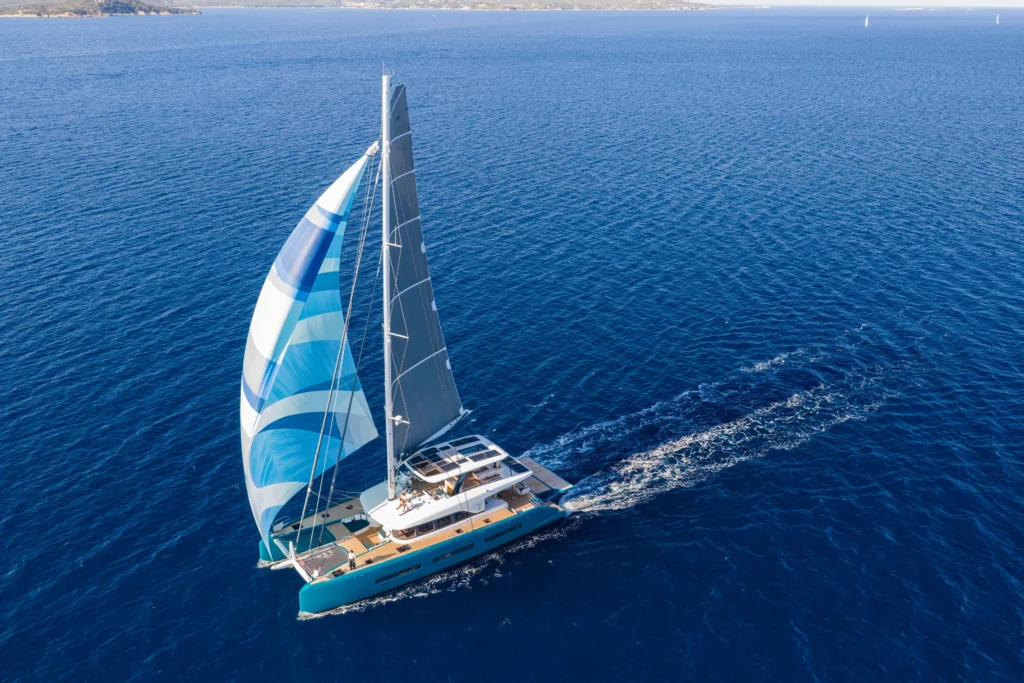
The offshore sailing context removes this structure. Not by design, not because the Naora programme includes a facilitated session on authentic communication or a workshop on vulnerability in leadership. By the accumulation of the shared offshore experience that produces the specific quality of the conversation that the people who have been through a passage together and an anchorage and a difficult night and a first dive and a sunrise and a coastline no road reaches are capable of.
The shared experience is the trust foundation that the professional relationship takes years to build if it builds it at all. The offshore passage produces it in days because the experiences it provides are not the experiences that the professional performance can be maintained through. The person who was sick in the weather cannot perform the version of themselves that the boardroom requires. The person who was scared on the night watch and said so cannot unsay it.
The shared vulnerability, small, specific, entirely managed is the specific substrate from which the honest conversation grows.
What Gets Said
I have been at many tables in my life. Professional dinners, conference dinners, client dinners, the social occasions that the business calendar produces in the category of relationship maintenance. The food is often excellent and the conversation is often good and the evening passes pleasantly. I have also been at the offshore table at the Med, with people who came aboard as strangers and who have been through several days of the offshore passage together.
The quality of the conversation at the second table is different from the quality of the conversation at the first. Not uniformly deeper, depth is not the right word. More honest. More willing to be unresolved. More likely to contain the question that the person has been carrying for months and that the professional context has given them no occasion to ask out loud.
The offshore table is not magic. The people bring the conversation and the conversation is only as good as the people who bring it. What the offshore context provides is the specific removal of the conditions that prevent the honest conversation: the professional position management, the social performance, the ambient distraction of the connected world that fills the silence before it can develop into the space that the honest question requires.
Remove these things and put the people in a bay that the road does not reach, and the conversation that was available all along becomes the conversation that is actually had. This is what the offshore sailing life offers that the dinner in the city does not: not better people, but the same people in the specific context that allows them to be more completely themselves.