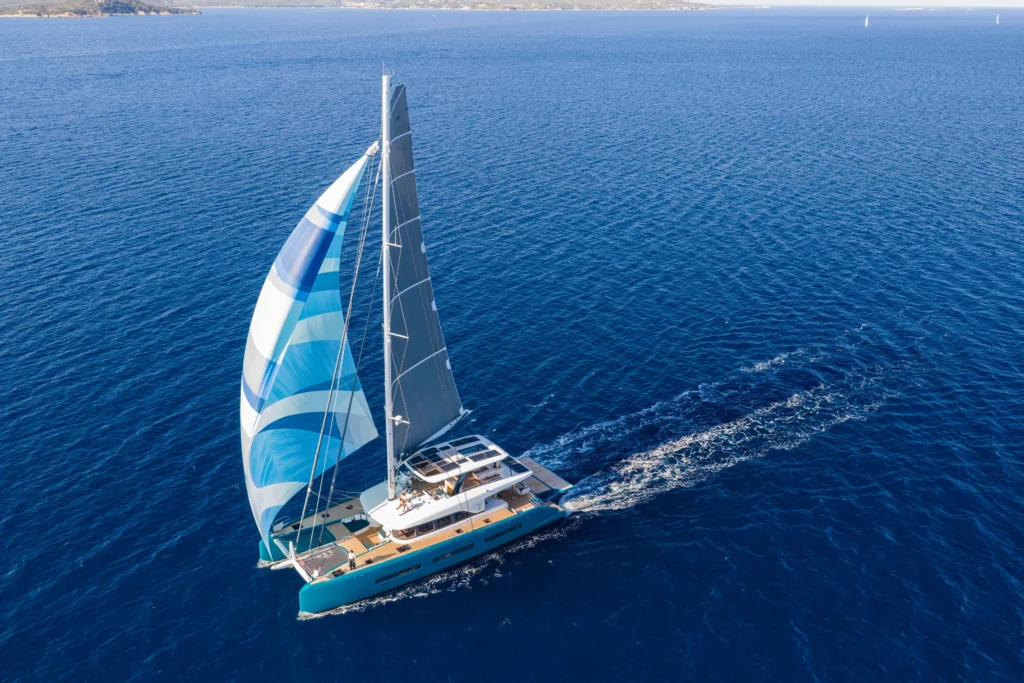
The Naora diving programme runs from the boat. The tanks are filled from the onboard 300-bar compressor, the briefings are mine, and the dives from the platform cover the majority of the diving the route produces. For most of the anchorages and most of the dive sites on the circumnavigation, this is the correct and complete setup.
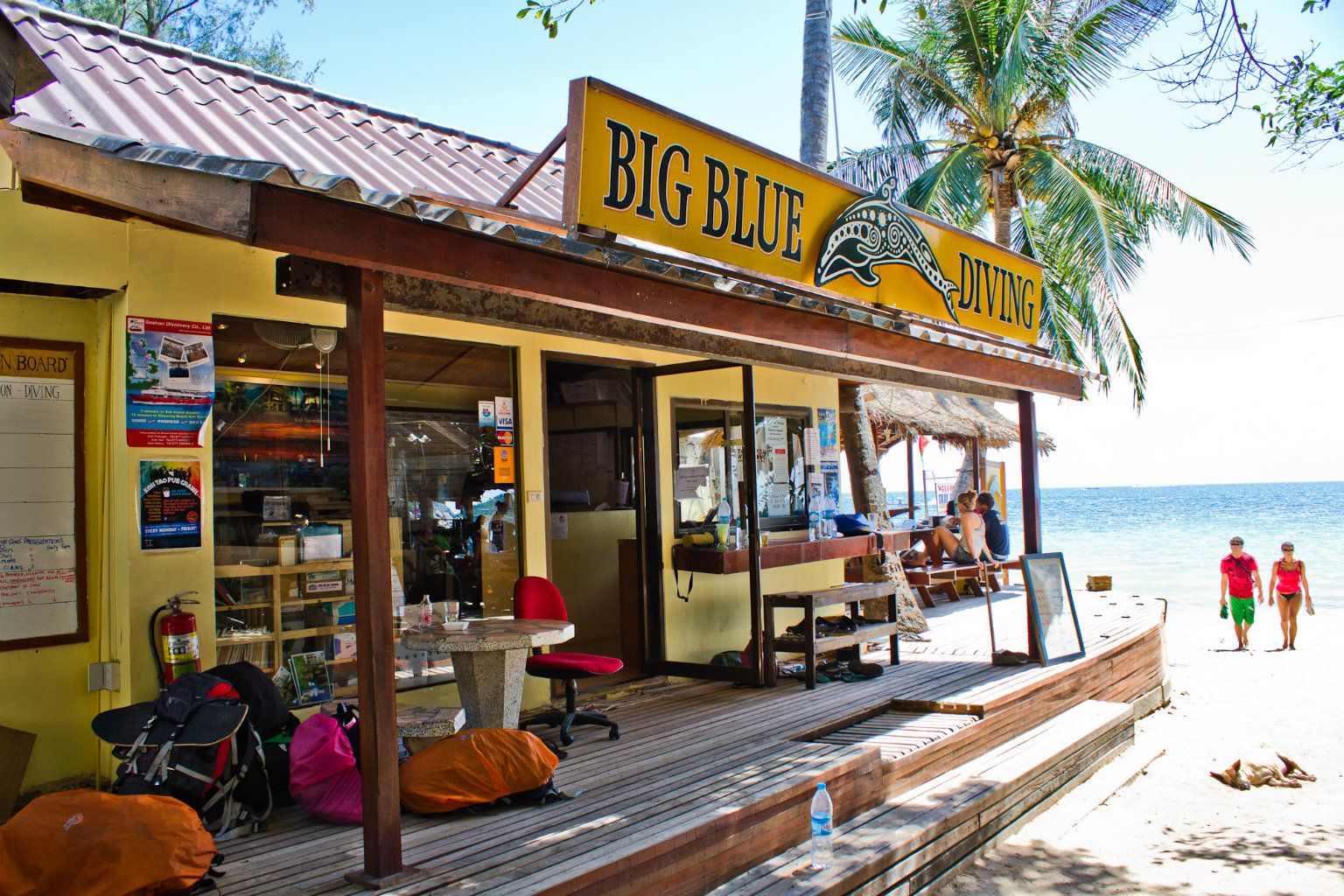
There are specific situations where it is not, and in those situations I book us with the local dive shop. This costs extra, typically around 75 dollars per person per dive, and it is worth every dollar of it.
The three situations that send us to the local shop are specific and each one has a clear reason. The first is strong current diving. There are sites on the route, Komodo National Park is the most obvious example, but also specific channels in the Tuamotu and the passes of the Society Islands, where the tidal current reaches speeds that require the specific local knowledge of the person who has timed the entry and the exit at this site hundreds of times.
The local guide knows the forty-five minute window when the current reverses and the dive is possible, and the five-minute difference between the window and outside it. I know current diving. I do not know this specific site on this specific day at this specific tide the way the person who has been guiding here for ten years knows it. That knowledge is worth the 75 dollars.
Saltwater Crocodiles and Other Specific Requirements
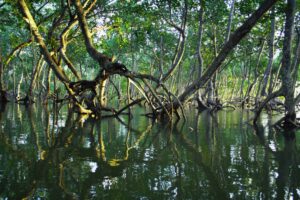
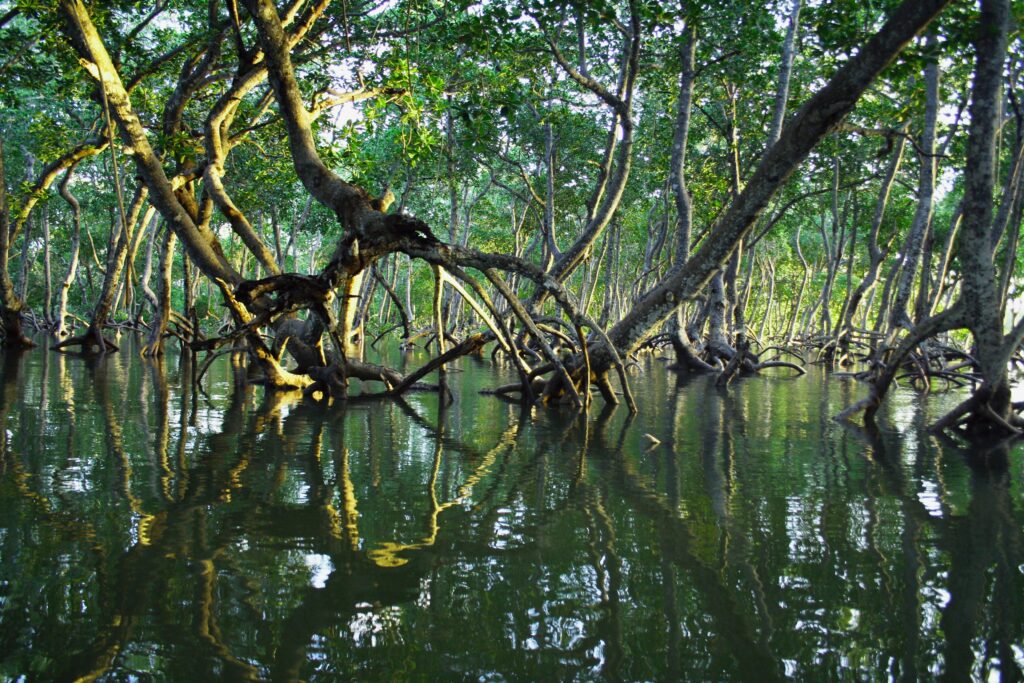
The second situation is the area with specific local knowledge requirements that go beyond the diving itself. Certain regions of the Indonesian archipelago and the Solomon Islands have saltwater crocodile populations in the river mouths and the mangrove systems adjacent to the dive sites.
The saltwater crocodile is the largest living reptile and it is not an animal I am willing to manage through general vigilance. The local dive operators in these areas know exactly which sites have croc activity and which do not, which seasons and which tidal states bring the animals into the dive areas, and the specific protocols for managing the risk in the waters where the risk is real. We dive with them in these areas. This is not a compromise.
It is the correct decision and if you have a problem with it I will explain in more detail why the correct decision is the correct decision.
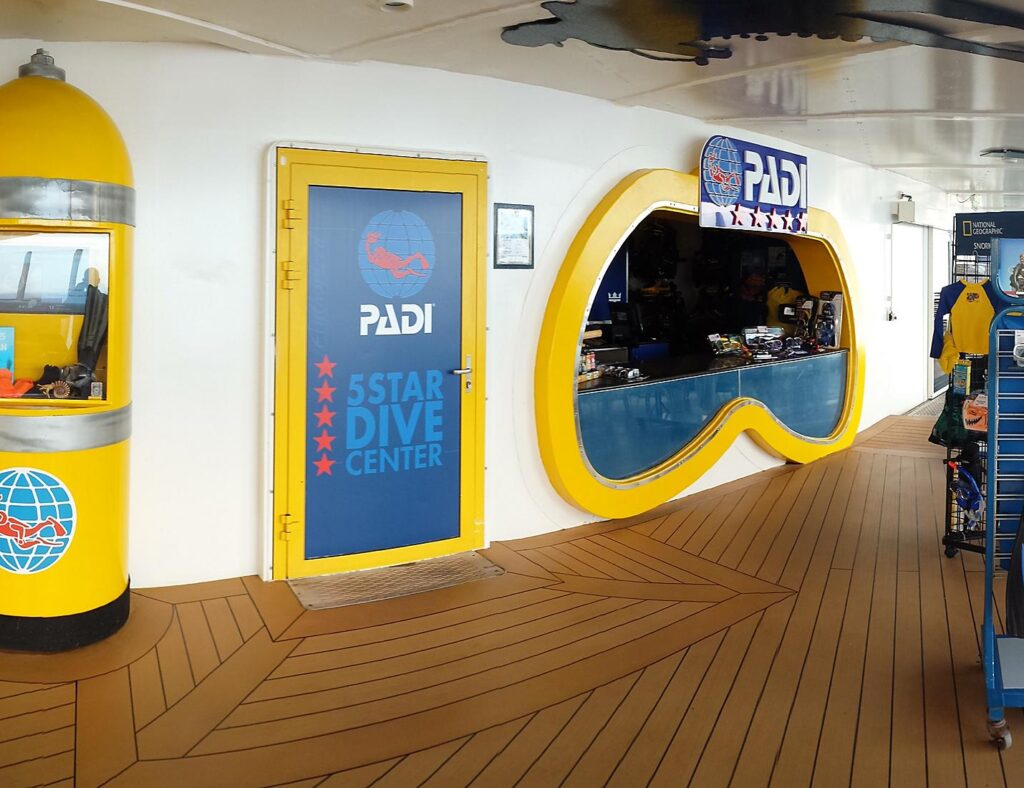
The third situation is the regulated dive site where the national park authority requires a licensed local guide for access, the Galapagos marine reserve, specific sites in the Coral Triangle that fall under conservation management frameworks, the Red Sea offshore sites that the Egyptian dive authority regulates. In these cases the local guide is not optional. They are the condition of access.
In all three situations, the local guide makes the dive better as well as the correct procedure. The person who has dived the Komodo channel a thousand times sees things in it that the person who is diving it for the first time does not see.
The 75 dollars buys the dive and the specific knowledge that makes the dive what it is at the site that requires that knowledge. Budget for it. You will not regret spending it.