45,000 nautical miles. 5 years. 180+ destinations. 4 oceans. 21 countries. 2 equator crossings. 1 logbook. 0 member photographs shared without permission. The Naora voyage in the numbers that make it concrete.
Some things are easier to understand at scale. The Naora voyage is one of them. The words five years and circumnavigation and 180 destinations are accurate but they are also, until you attach specific numbers to them, somewhat abstract. Here is the voyage in the numbers that make it concrete.
The Distance
45,000 nautical miles. That is the approximate total distance of the Naora circumnavigation. A nautical mile is 1.852 kilometres, which makes the total distance approximately 83,000 kilometres. The circumference of the earth at the equator is 40,075 kilometres. The Naora route, which does not follow the equator and adds significant distance through the Pacific islands and the detours that the best destinations require, covers more than twice the circumference of the earth.
8 knots is the comfortable passage-making speed of the Eighty2 in good trade wind conditions. At 8 knots, 45,000 nautical miles requires approximately 6,400 hours of sailing. That is 267 days under sail, continuous, if you never stopped. The five-year route allows time for the stops, which is the point.
4 ocean crossings: the Atlantic, the Pacific, the Indian Ocean, and the return through the Red Sea and Mediterranean. Each of these crossings is a distinct experience with its own weather system, its own character, and its own specific demands. Four oceans in five years. One boat. One crew.
The Destinations
185+ destinations across the five-year route. Not 180 ports with marina infrastructure. Many of them are anchorages with no infrastructure at all: uninhabited atolls, remote bays accessible only by boat, offshore reef stops where the only facility is the boat itself. The number includes the Tuamotu atolls where the nearest road is a thousand miles away and the Banda Islands where the tourist industry has not yet arrived and the outer Seychelles islands where giant tortoises outnumber humans and the Marovo Lagoon in the Solomon Islands where the village welcomes the occasional sailing boat with a warmth that has not been commoditised by repetition.
21 countries on the route. Turkey, Greece, Croatia, Italy, France, Spain, Morocco, the Canary Islands, the Caribbean island nations, Panama, Ecuador and the Galapagos, French Polynesia, the Cook Islands, Tonga, Samoa, Fiji, the Solomon Islands, Indonesia, Malaysia, Thailand, Myanmar, Sri Lanka, India, the Maldives, the Seychelles, Djibouti, Egypt, and back to the Mediterranean. Each country its own customs and immigration process, its own specific requirements, its own relationship with visiting vessels. All of it managed by the crew so that members experience arrival rather than administration.
2 equator crossings. The first in the Pacific on the approach to French Polynesia after the Panama Canal. The second in the Indian Ocean between Southeast Asia and the Maldives. Each crossing acknowledged by the Circle with the ceremony it deserves, recorded in the logbook by name for every member present.
The Boat
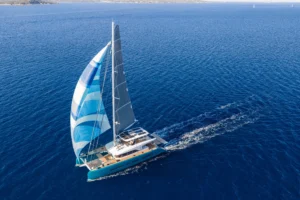
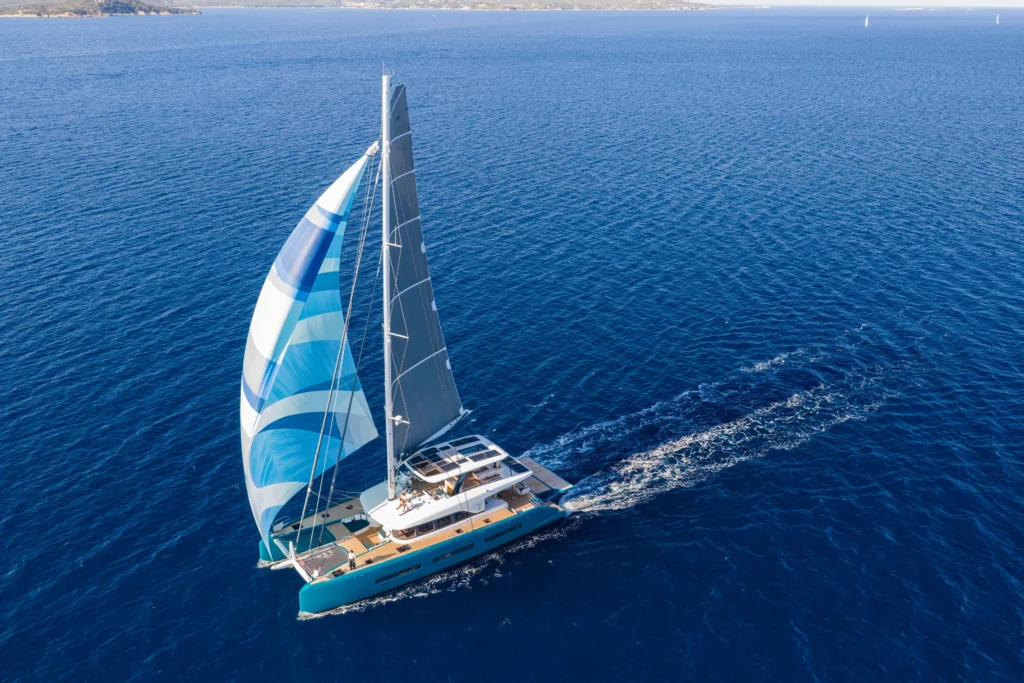
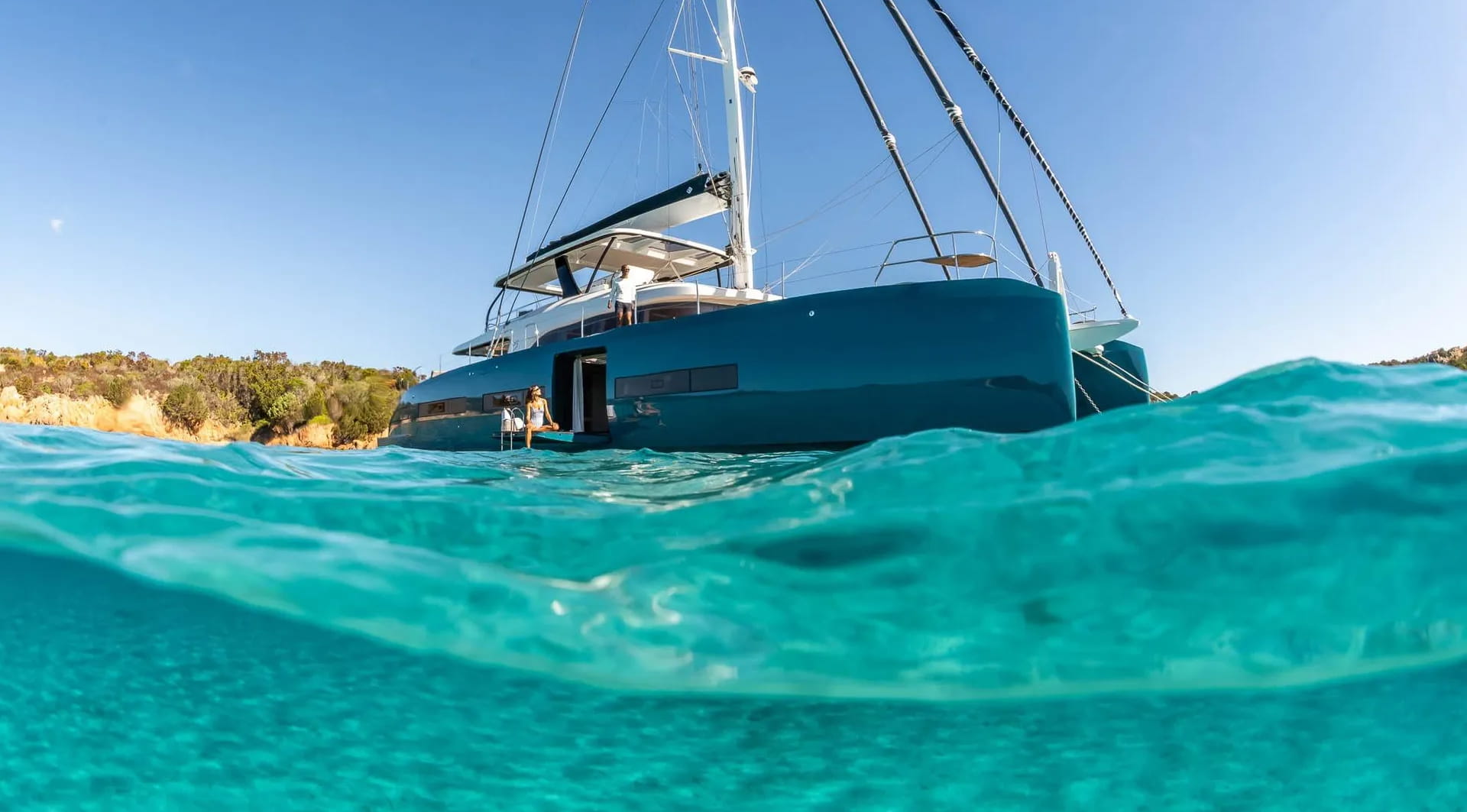
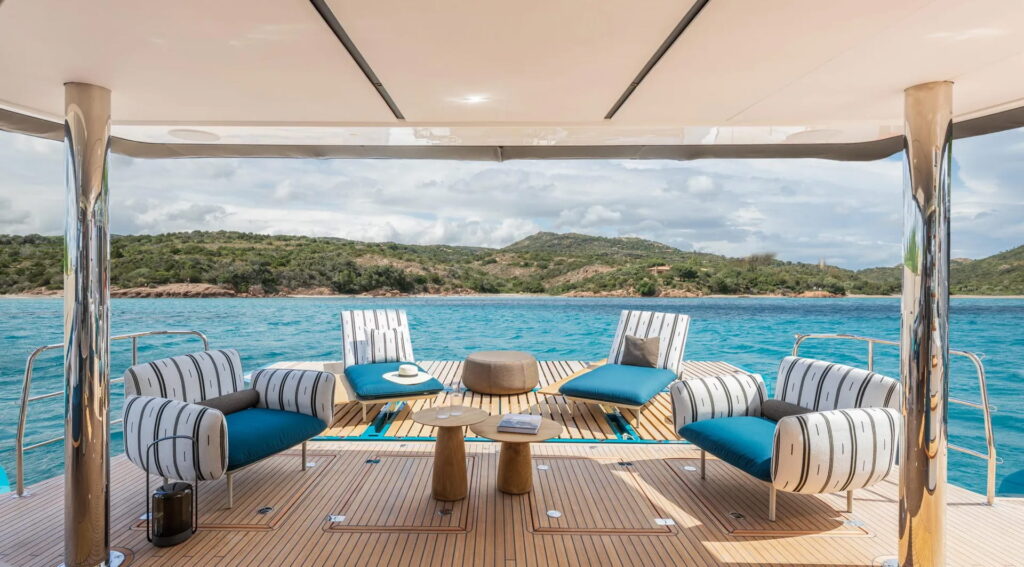
23.98 metres long. 11.09 metres wide. 66 tonnes. 340 square metres of sail. 2 x 175 horsepower diesel engines. 6 to 7 private double cabins with en-suite bathrooms. 1 professional chef. 1 300-bar diving compressor with DIN and international connections. 2 full watermakers. 1 herb garden on deck. The vessel that makes the route possible.
The Community
10 to 12 members per voyage segment. 4 founders. 1 captain with 25+ years offshore experience and 2,800+ dives. 1 first Commodore of the Naora Circle. 2 year terms for the Commodore and Council. 8 coaching domains available to Circle members. 1 physical logbook that travels with the journey from the first day to the last, recording who was there and what happened and what was seen.
0 member photographs shared online without explicit specific permission. The number that matters most to the people who join.
The Meals
3 meals per day. 11:00, 16:00, and sunset. Over five years at sea, with ten to twelve members aboard, that is approximately 5,475 meals served. Each one prepared by a professional chef with fresh ingredients sourced as locally as possible. Not one of them from a supermarket if a market exists within reach. Fish from the fishing line on the day it was caught. Herbs from the deck garden on the day they were needed. The number is large. Each meal is specific.