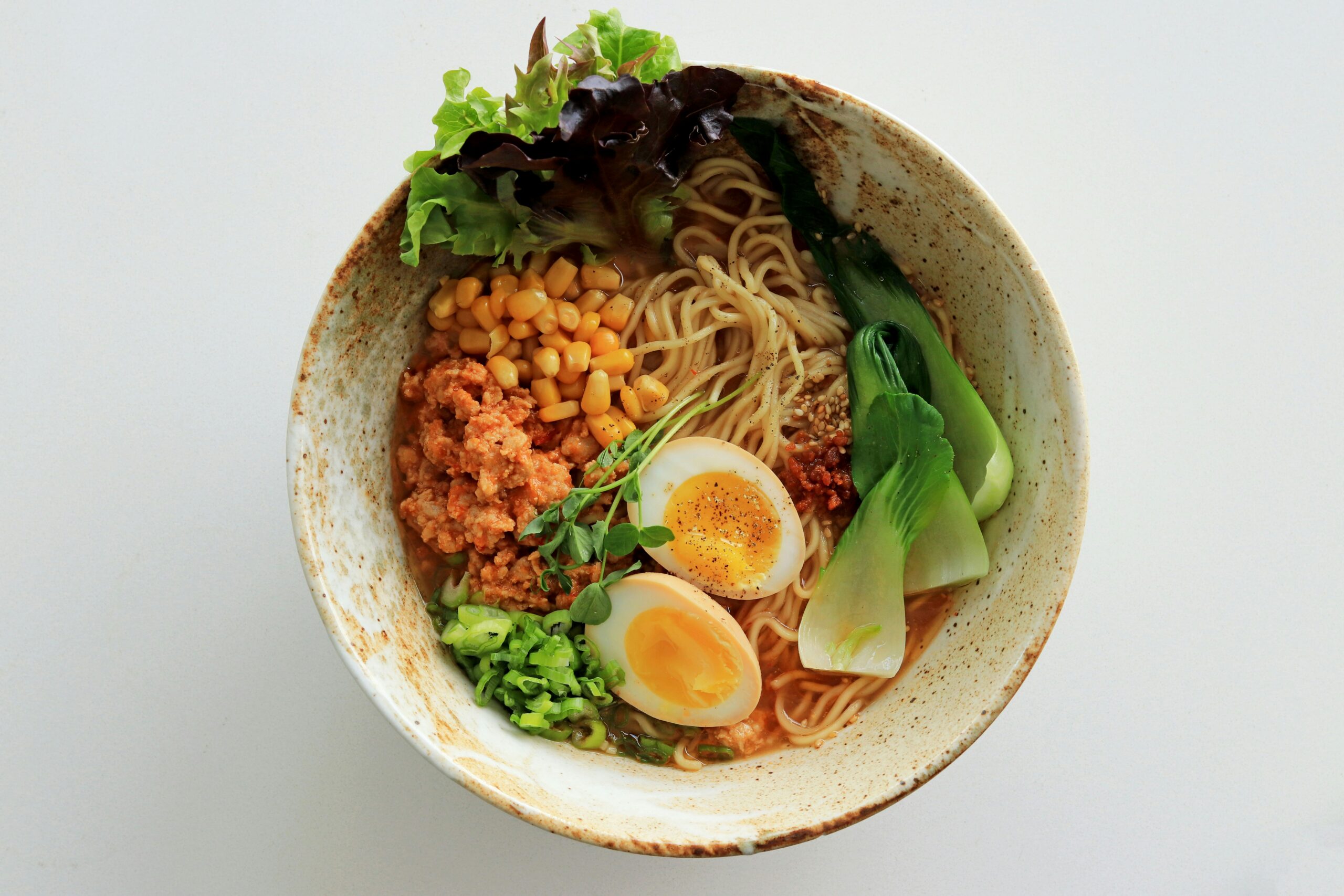
The food on the Naora voyage is the food of a professional chef working with the freshest available ingredients in some of the finest food cultures in the world. This is not a marketing description. It is a logistical fact: the chef provisions from the morning markets of Bodrum and the Greek island villages and the Grenada spice market and the Penang market at six in the morning and the Tuamotu village garden, and the food produced from these sources is the food of those sources rather than the food of a supply chain that begins in a wholesale warehouse and ends in a galley.
Three meals are served daily: the eleven o’clock first meal, the aperitif at four, and the dinner at sunset. Each is a full preparation using fresh local ingredients supplemented by the stores that travel with the boat. The herb garden on deck, the fishing line that trails from the stern on every passage, the spearfishing and the reef gathering that Céline does in the waters that produce the finest seafood: all of these contribute to a table that is specific to the day and the place in a way that no provisioned galley matches.
Dietary Restrictions
Dietary restrictions are accommodated. The pre-boarding health form includes a specific section for dietary requirements, allergies, and food preferences, and the chef reviews this information before the leg begins and plans the provisioning accordingly. The practical reality of accommodating dietary restrictions on a boat in a remote location is more complex than accommodating them in a restaurant with a full supply chain, which means the earlier the restriction is communicated and the more specific the communication, the better the accommodation.
Vegetarian and vegan accommodations are manageable in all regions of the route: the Mediterranean, Southeast Asian, and Indian Ocean chapters are particularly well suited to plant-based eating because the local food cultures and the market availability provide diverse and high-quality non-animal ingredients.
The Pacific chapters are more challenging for vegans because the fresh protein available from fishing and spearfishing is a significant part of the table’s character, and the alternative proteins available in remote Pacific anchorages are more limited than in the other regions. This is manageable with advance planning and honest communication rather than a reason not to join.

Allergies
Allergies are taken seriously because the offshore context makes the consequences of an allergic reaction more significant than the same reaction on land: the nearest hospital may be days away, and the anaphylaxis kit that the medical stores include is not a substitute for not triggering the reaction in the first place.
“Severe allergies, particularly to fish and shellfish, require specific discussion in the pre-boarding conversation because the Naora table’s strong orientation toward fresh-caught seafood means that the management of a severe fish allergy requires active planning rather than simple avoidance at the meal.
Common allergies including nuts, gluten, dairy, and eggs are accommodated with the same attention as any other dietary requirement: communicated in the pre-boarding form, reviewed by the chef, managed in the provisioning and the preparation.
The offshore galley does not have the cross-contamination risks of a busy restaurant kitchen, which in many respects makes allergy management more reliable than the restaurant setting rather than less. The chef is the only person cooking in the galley. The chef knows what is in every dish. The communication is direct and the accommodation is genuine.