The Naora route did not come from a travel planning session. It came from twenty-five years of Sven sailing offshore and accumulating the specific knowledge of the person who has been in most of the world’s offshore environments and who has developed, over those years, a very precise opinion about which anchorages are extraordinary and which are merely very good, which passages are the passages worth making and which are the passages that exist on the route because they connect the extraordinary ones rather than being extraordinary themselves.
The route is the distillation of that opinion applied to a five-year circumnavigation that begins and ends in the Mediterranean and covers the best of what the world’s oceans offer in between.
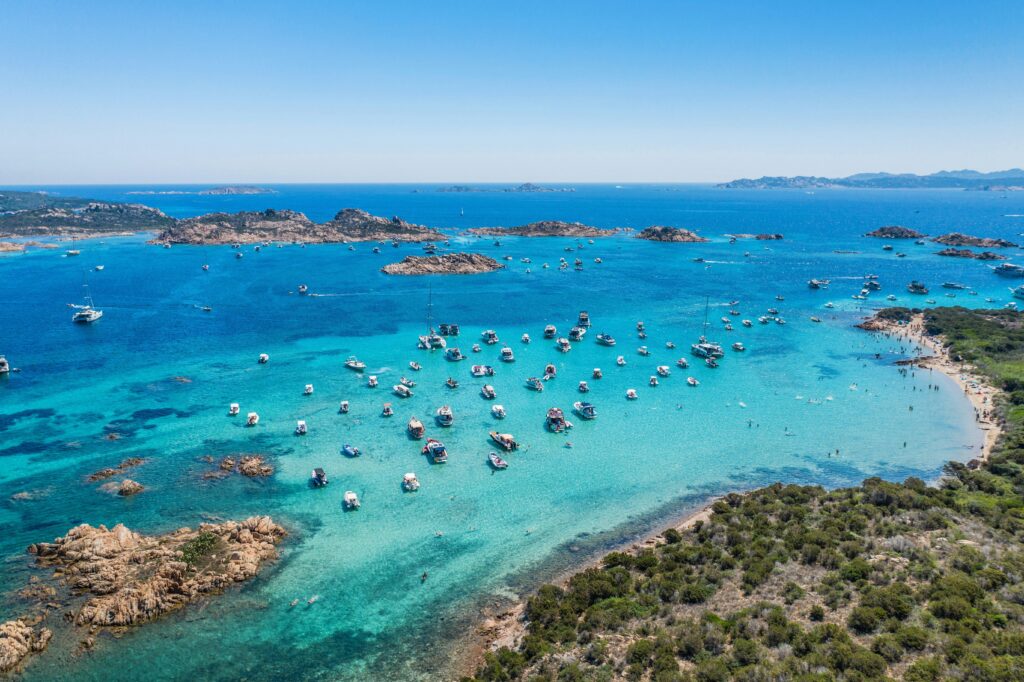
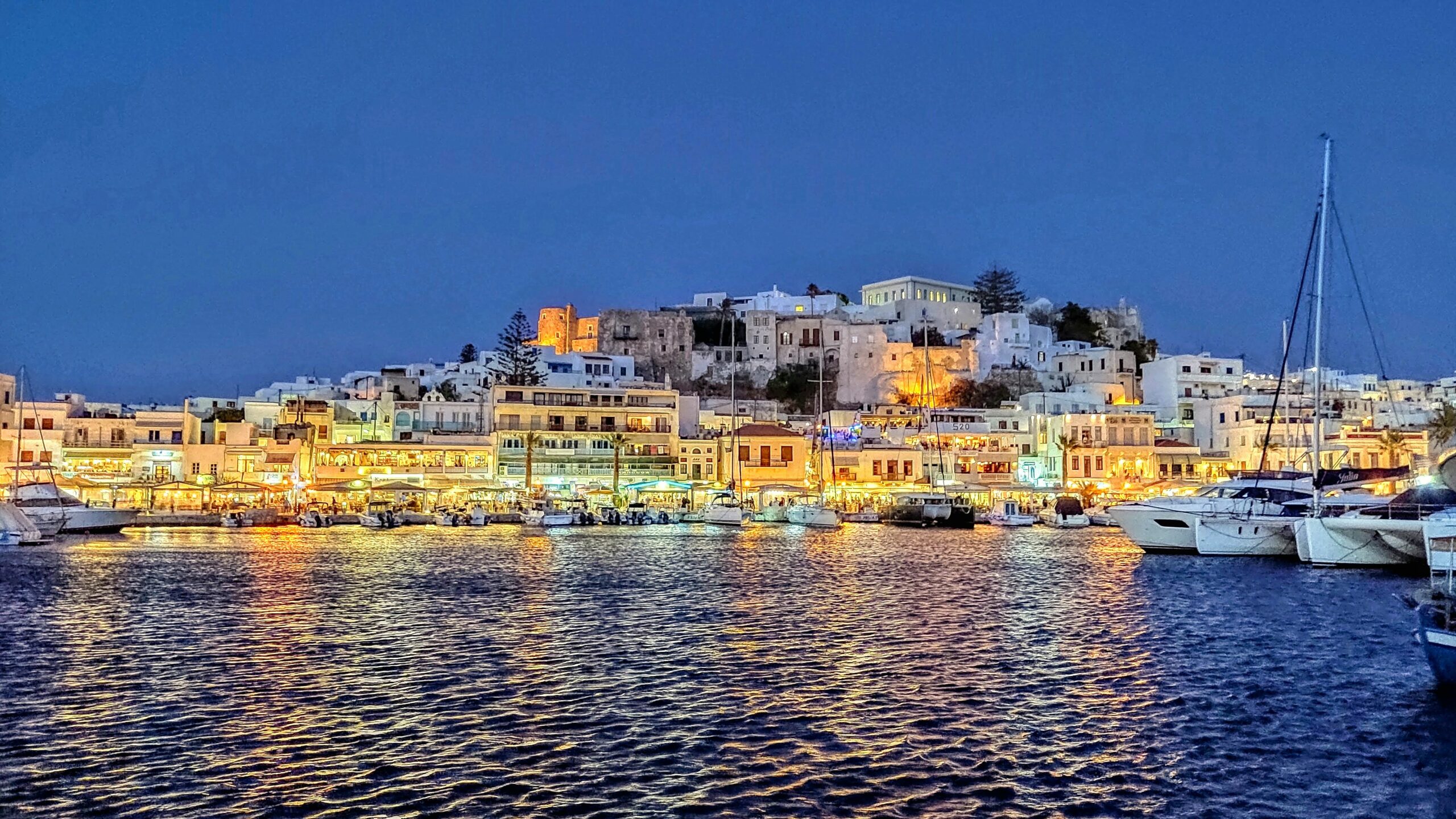
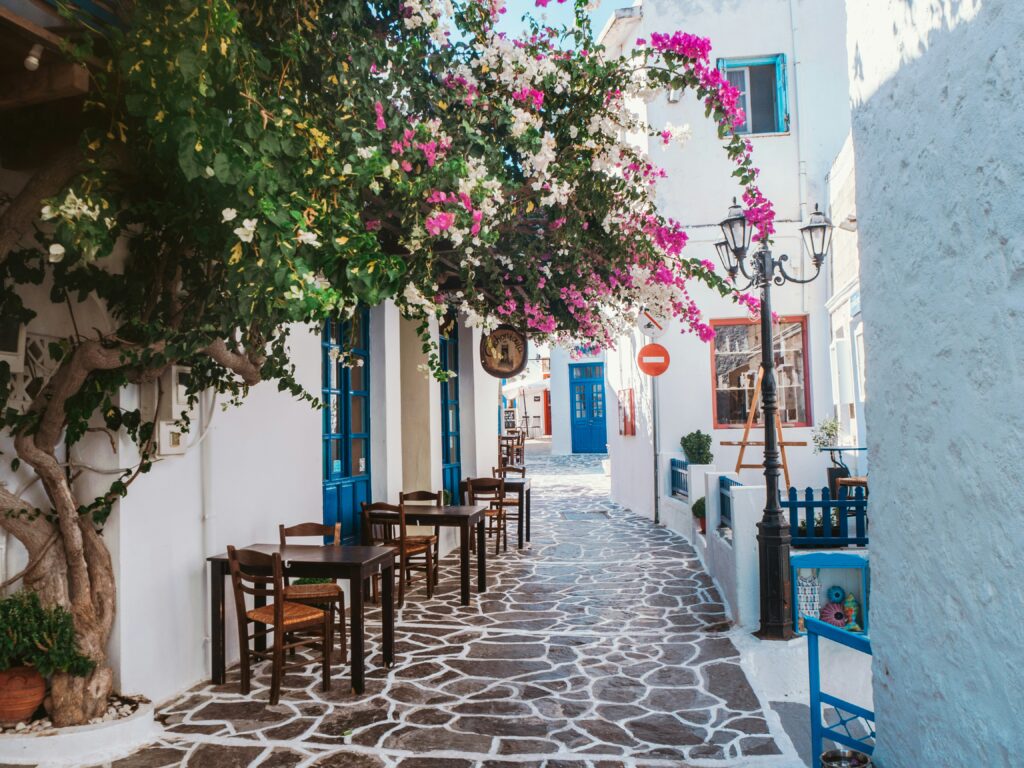
The Mediterranean chapter opens in Bodrum in May 2027 with the Aegean and the Dodecanese and the coast of Turkey, the ancient maritime world of the Minoan and the Phoenician and the Greek and the Roman trader, the archaeology visible from the water and accessible on foot from the anchorage.
The Atlantic crossing in the northern hemisphere autumn, the trade wind route from the Canaries to the Caribbean that the offshore sailors have been using since Columbus followed it in 1492. T
he Caribbean through the arc of the islands from north to south, the Panama Canal transit, and then the Pacific, the longest ocean, the most remote passages, the Galapagos and the Marquesas and the Tuamotu and the Society Islands and the Cook Islands in the specific sequence that the trades and the seasons determine.
Then westward through the Pacific island chains to Indonesia, the Coral Triangle, the Indian Ocean crossing, the Maldives, Sri Lanka, India, Seychelles and Africa, and back to the Mediterranean through the Suez Canal in January 2032.
Why the Sequence Matters
The route is not a list of destinations connected by the shortest passages between them. It is a sequence designed around the seasons and the trade winds and the specific conditions that each ocean produces at each time of year.
The Atlantic crossing is in the northern hemisphere autumn because the trade wind is most reliable from October to December.
The Pacific crossing from the Galapagos to the Marquesas is in the southern hemisphere autumn because the ITCZ is at its most northerly and the passage is at its most comfortable. Each timing decision in the five-year sequence reflects the specific knowledge of the person who has thought about it long enough.
The member who boards for a single leg boards into a single chapter of this sequence. The chapter they choose, the Mediterranean, the Pacific, the Indian Ocean, Africa, is the chapter that their schedule and their interests determine.
What they receive when they board is not only the chapter they chose but the years of planning that made the chapter what it is and placed it where it is in the sequence that the full circumnavigation traces across five years and four oceans.