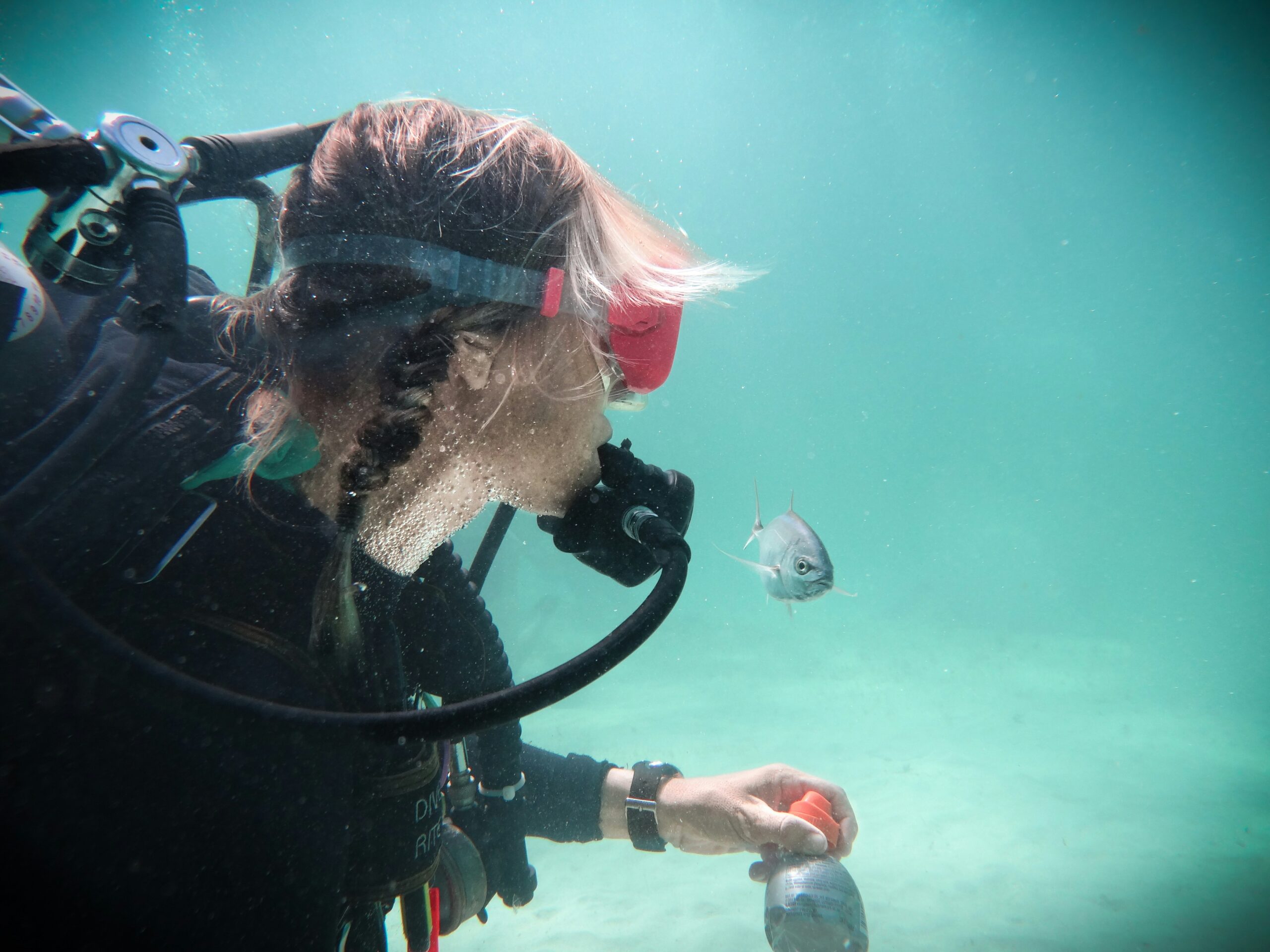
The first thing you will miss is the octopus. It is sitting in the coral head three metres to your right at the point where the sand meets the reef base and it has been watching you since you entered the water four minutes ago.
The octopus can change its colour and texture to match the substrate it is resting on with a speed and precision that the camouflage technology of the human military has been attempting to replicate for decades without approaching the original. The octopus that looks like the coral head it is sitting on looks like the coral head it is sitting on. You will swim past it at a distance of three metres and you will not see it. I will tap your arm and point and you will look in the direction I am pointing and you will still not see it for approximately ten seconds.
Then you will see it. And the octopus, which has been watching you the whole time with the specific intelligence of the animal with the largest brain-to-body ratio of any invertebrate, will know that you have seen it and will begin the slow relocation that its dignity requires.
This is the first dive. By the fifth or sixth dive, you will see the octopus. Not always, not immediately, but with increasing frequency as your eye learns the specific quality of the looking that the reef requires: the slow, patient scan that moves across the substrate rather than the quick attentive glance that the terrestrial environment has trained the human eye to use. The reef does not reward the quick glance. It reveals itself to the patient attention.
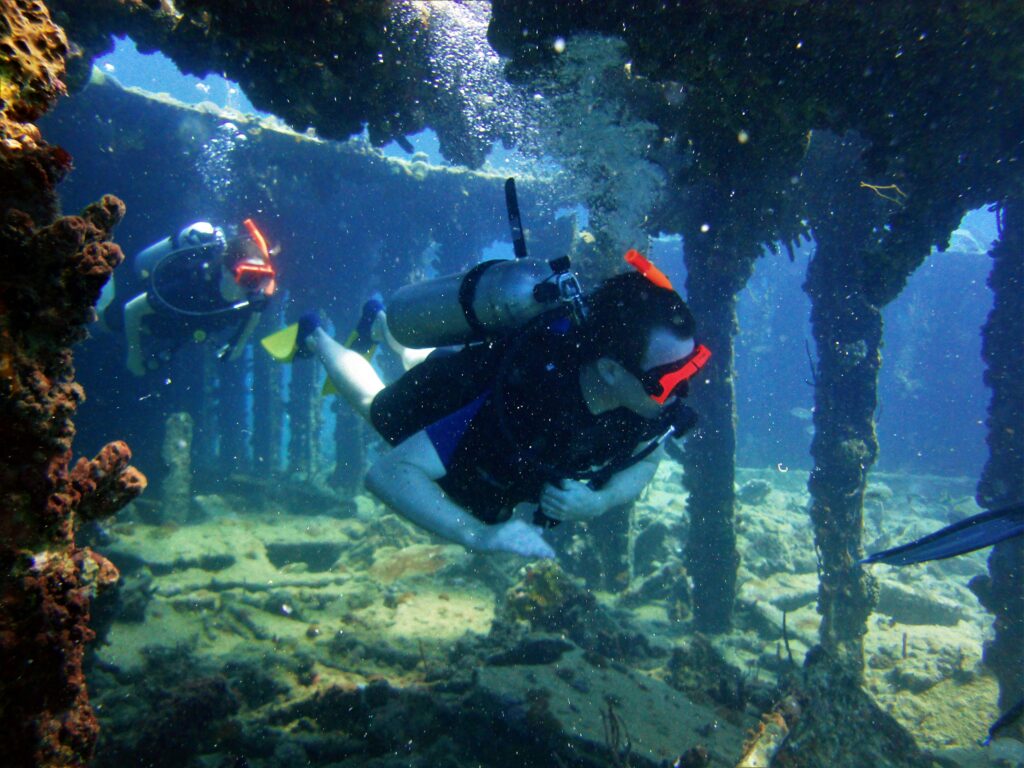
What Else You Will Miss and How I Will Show You
The nudibranch on the coral head — the sea slug that is one to five centimetres long and that is, in its specific species, the most extraordinarily coloured animal per square centimetre that the natural world produces. You will swim over it.
I will take your hand and bring you back to it, and you will hover above the five-centimetre animal and look at the colour that evolution produced for the specific purpose of advertising the toxicity that the nudibranch’s chemistry generates, and you will understand for the first time that the brightest things in the ocean are often the smallest ones and that the size of the animal and the scale of the experience it produces are not the same variable.
The cleaning station, the specific location on the reef where the cleaner wrasse and the cleaner shrimps operate the service that removes the parasites from the larger fish that queue in the specific patient way of the animals that have learned where the cleaning station is and that know the waiting is worth the service.
The Napoleon wrasse at the station, the size of a large dog, hanging motionless in the water while the cleaner wrasse moves over its scales with the specific industriousness of the animal doing its job. This is the reef as the community, the web of the relationships between the species that the single first dive passes through without seeing and that the five or six dives of the Naora leg begin to make visible.
My job is to show you what the reef is showing you that you are not yet seeing. The first dive is the introduction. By the last dive of the leg you will be the person pointing at the octopus.