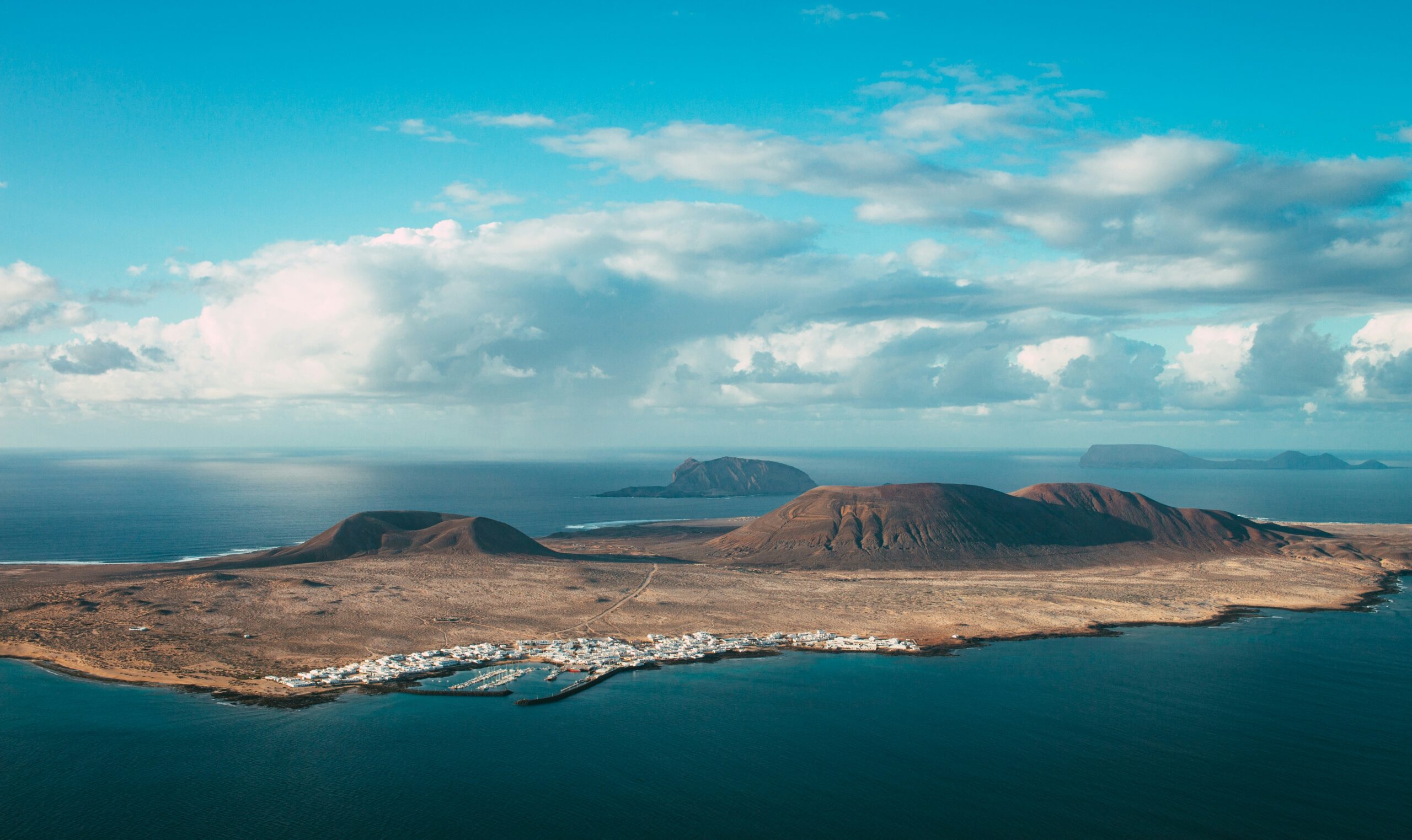
In October 1492, Christopher Columbus departed San Sebastián de la Gomera in the Canary Islands on a westbound course into the Atlantic. He was using the northeast trade wind, the consistent, reliable wind that the atmospheric circulation of the subtropical North Atlantic produces between approximately ten and thirty degrees north latitude and that blows from the northeast toward the southwest in the specific direction that makes the westbound crossing from the Canaries to the Caribbean the sailing route that the physics of the atmosphere consistently supports. He reached the Bahamas after thirty-three days.
The crossing that the Naora programme makes from Las Palmas to Barbados takes approximately twenty-two days in the conditions that the modern yacht’s sail area and hull speed produce on the same wind. The wind is the same. The physics has not changed.
The trade wind route from the Canaries to the Caribbean became, in the centuries after Columbus, the most heavily used sailing route in the Atlantic: the route of the slave ships in the terrible decades of the transatlantic trade, the merchant ships carrying the sugar and the tobacco back to Europe, the immigrant steamships carrying the European poor to the New World in the nineteenth and twentieth centuries.
The route was not chosen because it was the shortest. It was chosen because it was the fastest, and it was the fastest because the northeast trade wind between the Canaries and the Caribbean blows consistently westward with a reliability that the North Atlantic produces in almost no other latitude. The route is the route because of the wind. The wind is the wind because of the physics of the atmosphere at the latitude of the subtropical high-pressure belt.
What It Feels Like to Be on It
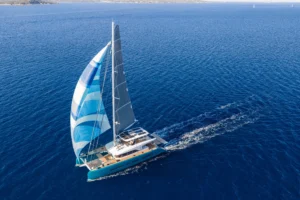
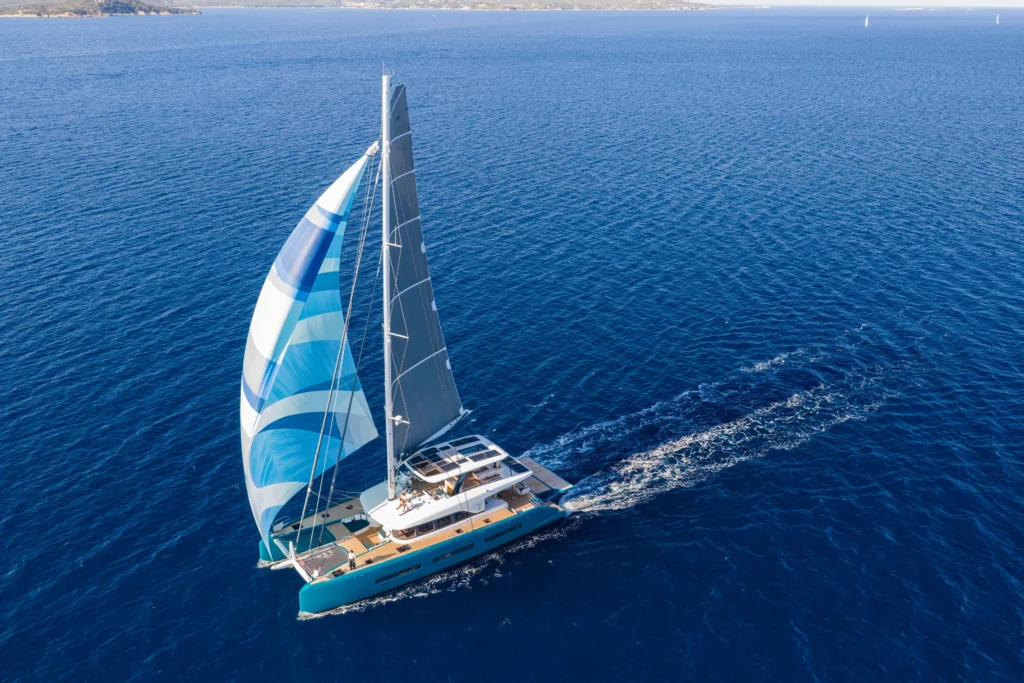
The Naora boat departs Las Palmas in the autumn window when the trade wind is most consistent — October to January, and follows the route that Columbus followed and that the centuries of the Atlantic sailing traffic followed: southwest from the Canaries to the latitude of the trade wind belt and then west on the trades toward the Caribbean. The boat is downwind for the majority of the crossing.
The code zero out or the spinnaker flying, the wind from behind the quarter, the swell from the northeast pushing the boat in the direction it is already going. The boat speed in these conditions is the boat speed that the trade wind produces rather than the boat speed that the crew has to work for the specific pleasure of the downwind passage that uses the wind as propulsion rather than fights it as resistance.
The member who stands at the bow on day five of the Atlantic crossing and feels the northeast trade wind from behind and looks west at the horizon that the Caribbean is on the other side of is on the same route that the same wind has been driving human beings westward across the Atlantic for five hundred years. The physics has not changed.
The experience of being in it the specific quality of the downwind passage in the trade wind, the boat moving freely in the conditions that this latitude and this season and this direction of travel consistently produce, is the experience that the physics of the atmosphere has been making available at this latitude for longer than the human use of it. The wind does not know about Columbus or the Naora voyage. It blows because it blows. The boat uses it because it has always been there to use.