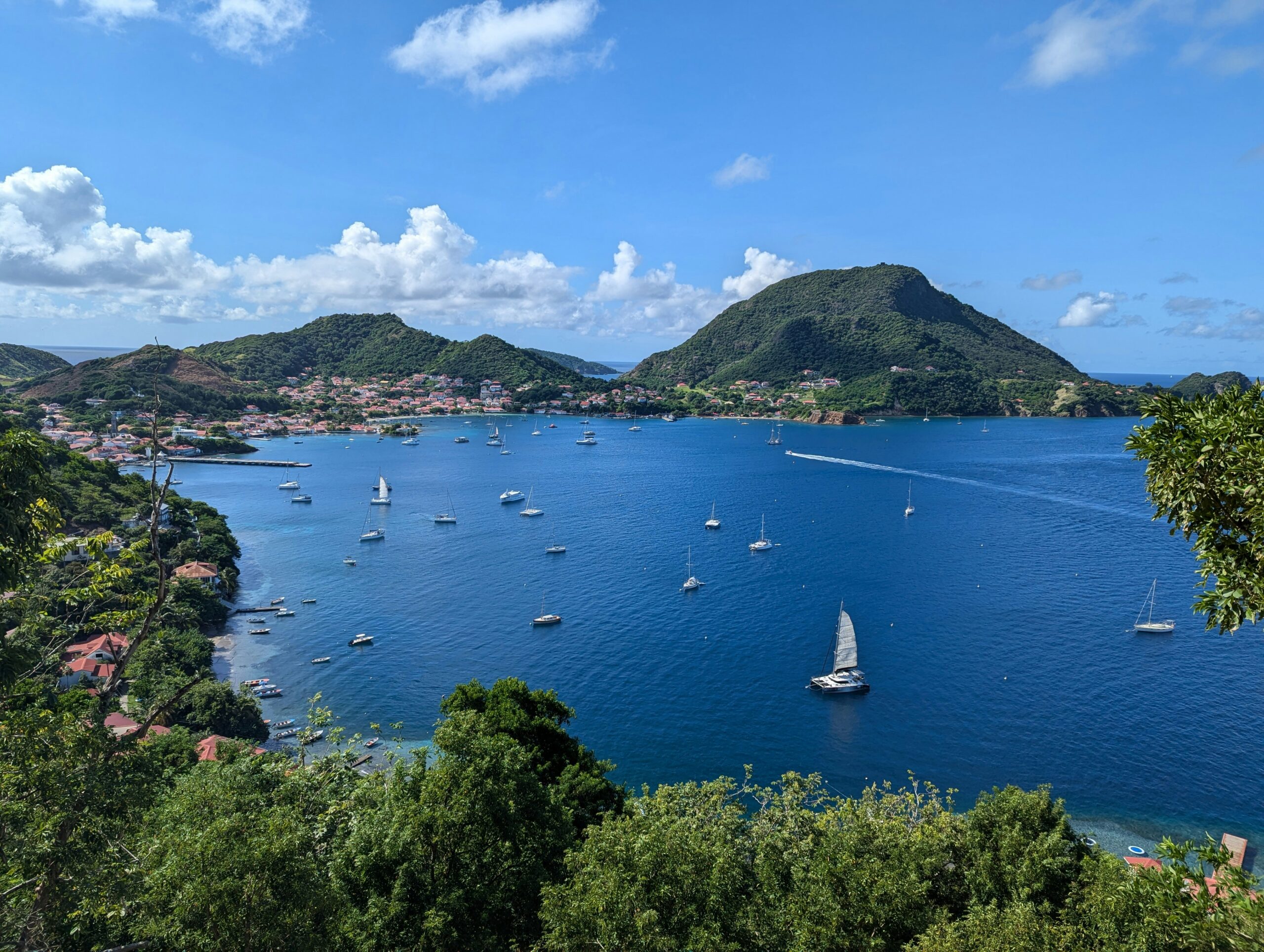
The Atlantic crossing departs Las Palmas in the Canary Islands and arrives in Barbados or Guadeloupe or Martinique, depending on the year’s conditions and the passage timing, approximately twenty-two days later. Here is what those twenty-two days feel like, roughly, for the person who has not been on them before.
Days one and two. The departure from Las Palmas and the first night at sea. The body is adjusting to the motion, some members experience seasickness in this phase, most pass through it by day two. The watch system is established. The specific routine of the offshore day begins to form: the watch, the meal, the rest, the watch.
The Canaries are still visible for the first few hours and then they are not and the ocean is the ocean in every direction and the passage has begun in the specific sense of the passage that has left the last coast behind and not yet reached the next one.
Days three to five. The sea legs arrive. The body has found the rhythm of the boat and the adjustment that was a negotiation is now the natural movement of the person who belongs on the moving deck. The trade wind has established itself, the consistent northeast breeze that the North Atlantic produces in the October-to-January window, the swell from the same direction, the boat moving comfortably under the twin headsails or the spinnaker in the conditions the trade wind produces.
The watch routine is familiar. The rolling line goes out from the stern cleat. The Pacific horizon, west, always west, is the direction of travel and the destination is still two weeks away.
The Middle and the End
Days six to fourteen. The middle of the crossing. The phase that the members who have been through it describe most consistently as the heart of the experience: the specific quality of the offshore life fully established, the days structured by the watch and the meal and the fishing and the weather and the community of the twelve people who are in this together, the progress measurable on the chartplotter in the miles made good toward the waypoint that is still a week away.
The nights are the trade wind nights: warm, the southern stars higher in the sky than the European eye is accustomed to, the bioluminescence in the wake, the flying fish. The conversation in the evenings has passed through the social warm-up phase and into the specific quality of the conversation that the people who have been through ten days of the passage together produce.
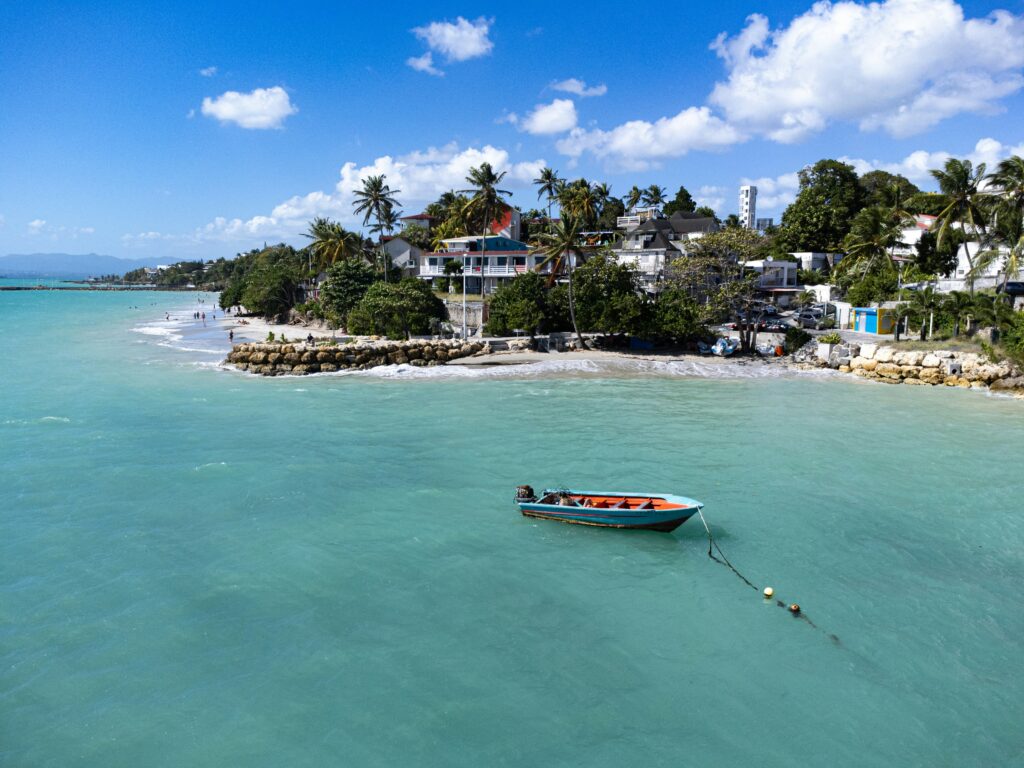
Days fifteen to twenty-two. The approach. The trade wind sometimes eases in this phase as the Caribbean weather system begins to influence the conditions. The vegetation smell that arrives on the wind before the land is visible — the specific olfactory announcement of the Caribbean that the offshore sailor who has been at sea for three weeks receives as the confirmation that the crossing is nearly complete. The land on the horizon on day twenty or twenty-one.
The harbour arrival on day twenty-two. The anchor going down in the Caribbean anchorage or the marina berth in the specific quality of the arrival that only the long passage produces: not the arrival of the person who flew in this morning but the arrival of the person who sailed for three weeks and who has earned the specific quality of the Caribbean first morning in the specific way that the earning happens at sea.