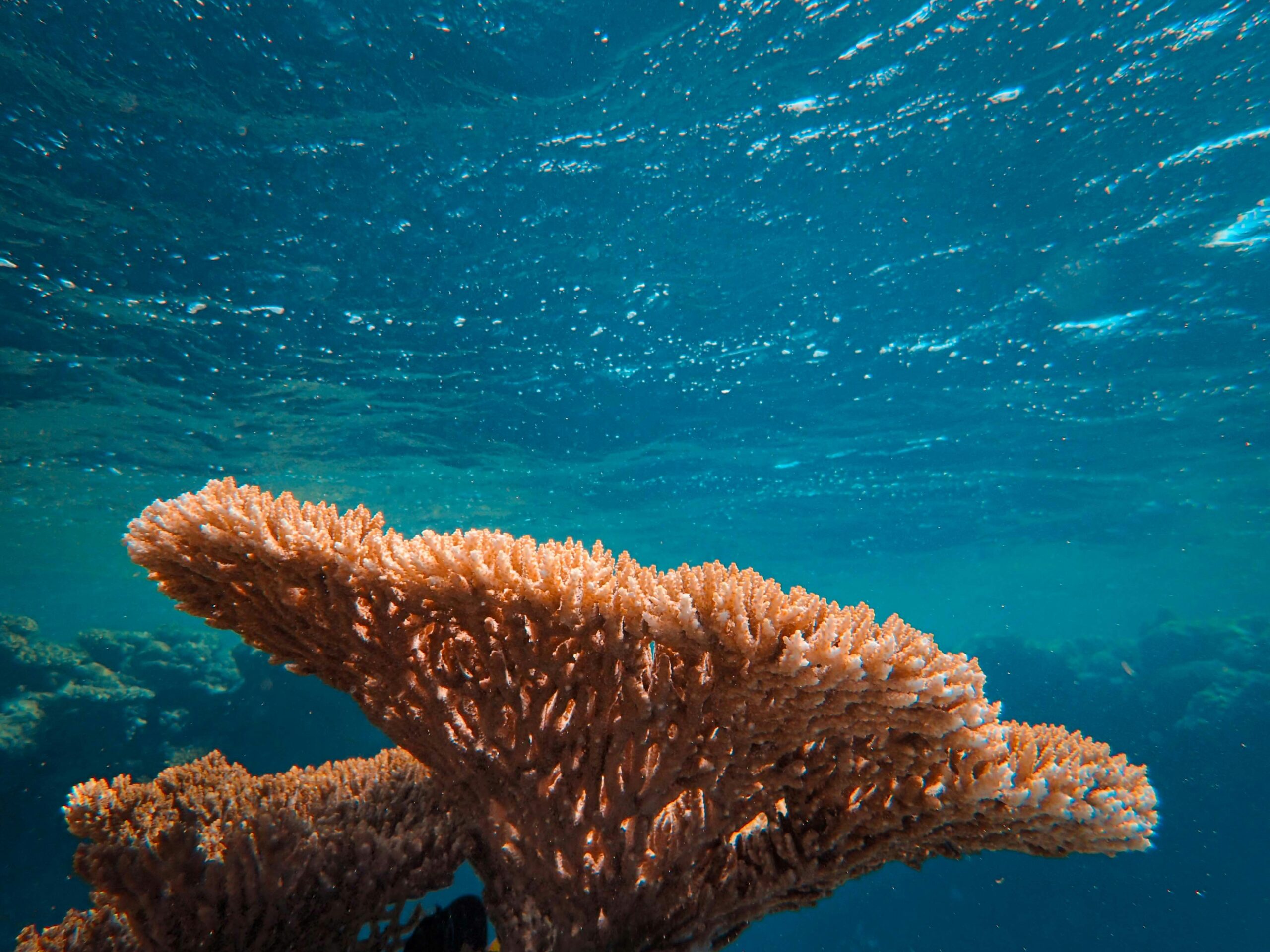
The anchor destroys the coral it lands on. This is not a metaphor or an exaggeration. When the anchor of a vessel the size of the Eighty2 lands on a living coral structure: the polyp colony that has been building its calcium carbonate skeleton at one centimetre per year for the years or decades or centuries the colony has been growing, the impact removes the living tissue from the surface of the structure in the same way and to the same effect as the fin strike of the careless diver.
The difference is scale: the anchor removes the tissue from the entire impact area and the chain dragging across the reef during the night removes it from the arc that the swinging boat traces. The damage is visible the following morning and it does not repair on the timescale of the vessel’s visit. The tissue removed by the anchor does not regrow in the week the boat is in the anchorage.
The Naora anchor goes in the sand. Always. Sven reads the bottom from the depth sounder echo and the chart and the water colour before the anchor drops and positions the boat over the sand channel or the sand flat that the reef system provides between the coral structures. If the anchorage does not have a sand bottom suitable for anchoring, the Naora boat uses the mooring buoy when one is available, or it does not anchor there.
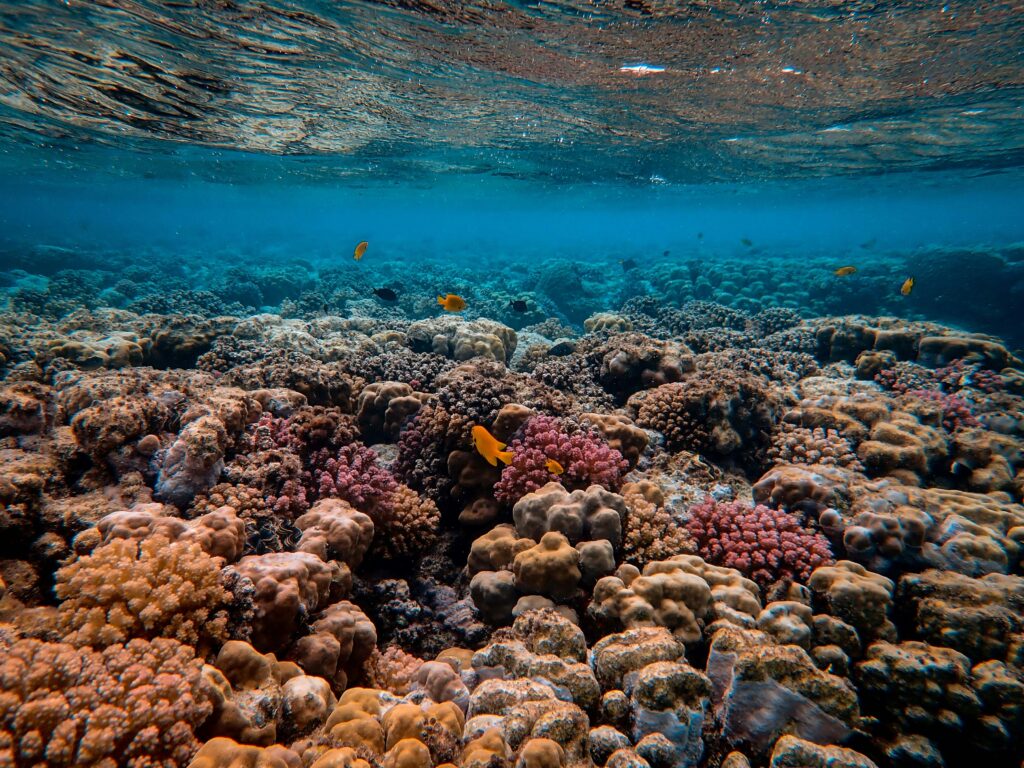
The reef below the boat at the Tuamotu anchorage or the Coral Triangle site or the Red Sea offshore reef is not anchored in. It is the reason the boat is there. It is not the anchor point.
The Rest of the Environmental Policy
The anchor is the most visible element of the Naora environmental policy but not the only one. The grey water from the sinks and the galley is held in the holding tank in sensitive anchorages and discharged on passage in the open ocean where the dilution and the circulation manage the output appropriately.
The fishing from the trolling line is selective: the lure and the tackle that targets the pelagic food fish rather than the gear that produces shark bycatch. The diving programme is conducted with the no-touch rule that is absolute and the buoyancy control that replaces the touching when the diver’s position would otherwise require the coral as a handhold.
The plastic that the boat produces is sorted and landed at the next port with a recycling facility rather than disposed of at sea.
The Naora voyage visits the Coral Triangle and the Tuamotu lagoon and the Red Sea offshore sites and the other marine environments of the circumnavigation because these environments are extraordinary and worth visiting. The obligation that comes with the visit is the obligation to leave them in the condition they were in before the visit.
The anchor in the sand rather than the coral is the single most direct expression of this obligation. Everything else is the rest of it.