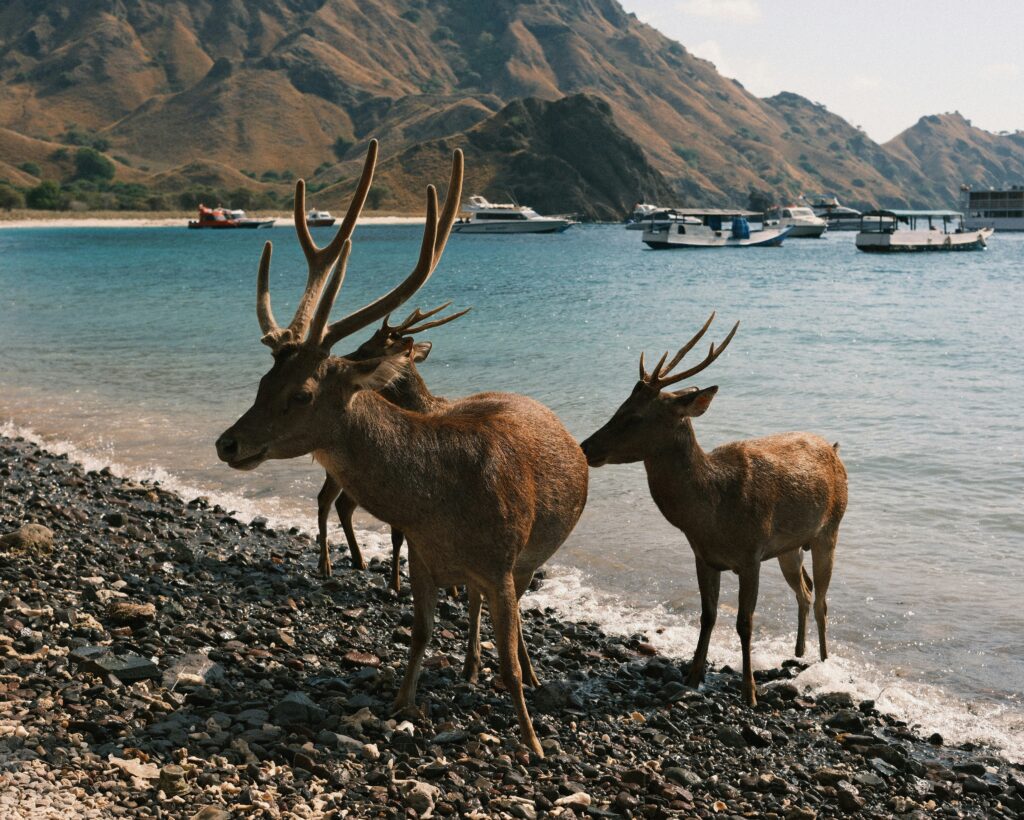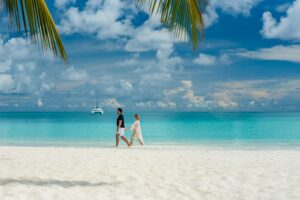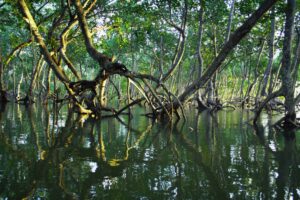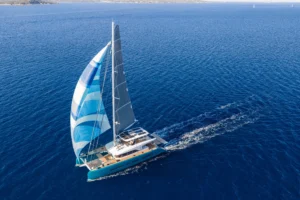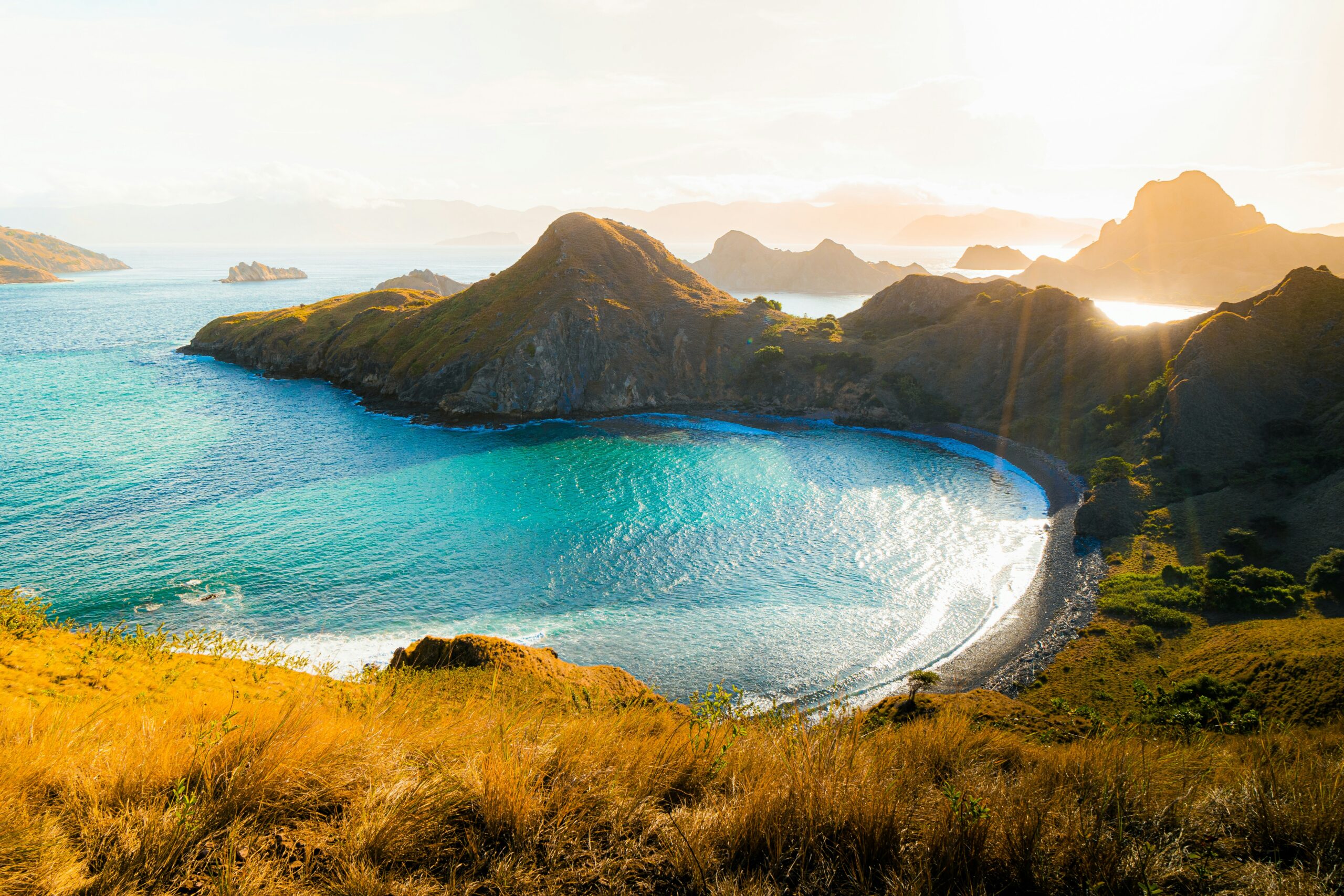
The Naora route spends more time in the Indonesian archipelago than in any other single geographic region. Three months, from the Banda Sea through Komodo and Flores and Bali and Lombok and the Lesser Sunda Islands to the Makassar Strait and the approach to Borneo.
This is not the route of a vessel that is trying to cover the maximum number of countries in the minimum time. It is the route of a vessel that has identified the Indonesian archipelago as the most dense concentration of the specific qualities that the Naora voyage is designed to provide, and that has allocated the time that density deserves.
The Diving
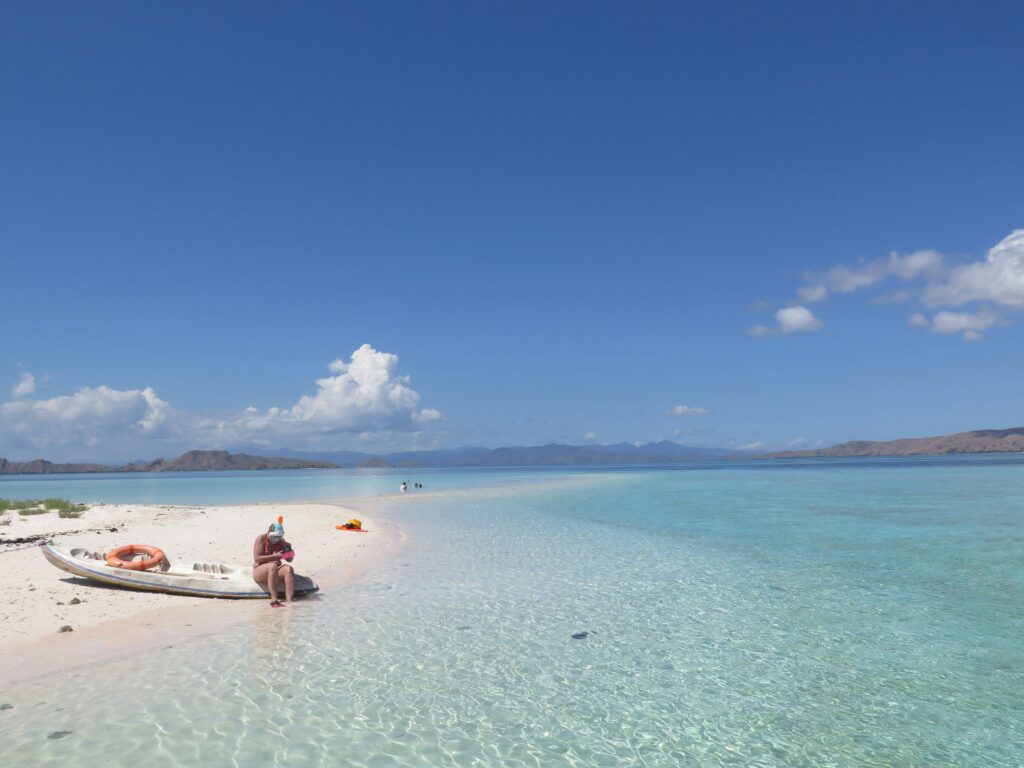
The Indonesian archipelago sits at the centre of the Coral Triangle, the region of the Indo-Pacific that contains the highest marine biodiversity on the planet: more coral species, more fish species, more invertebrate species per square metre than any equivalent area of ocean anywhere in the world.
The specific reason for this biodiversity concentration is the confluence of the Pacific and Indian Ocean water masses in the channels between the Indonesian islands, which creates the specific combination of nutrients, temperatures, and current patterns that the biodiversity requires.
The Banda Sea is one of the finest diving destinations available to the offshore vessel: the volcanic seamounts that rise from two thousand metres to within twenty metres of the surface, the open ocean species that these seamounts attract, the specific quality of the visibility in the Banda Sea that the deep water and the volcanic geology produce.
The Komodo channels are among the most technically demanding and most rewarding dives on the route: the six-knot tidal currents that concentrate the marine life at the channel edges, the Manta rays that use the cleaning stations at the specific dive sites that the Naora diving programme visits, the Napoleon wrasse and the schools of pelagic fish that the current-swept walls produce.
The Bali diving, accessible from the northern coast anchorages that the Naora route uses, includes the USS Liberty wreck at Tulamben and the coral garden at Menjangan that the national park status has protected from the fishing pressure that has reduced the reefs of most of accessible Bali.
The Cultural Density
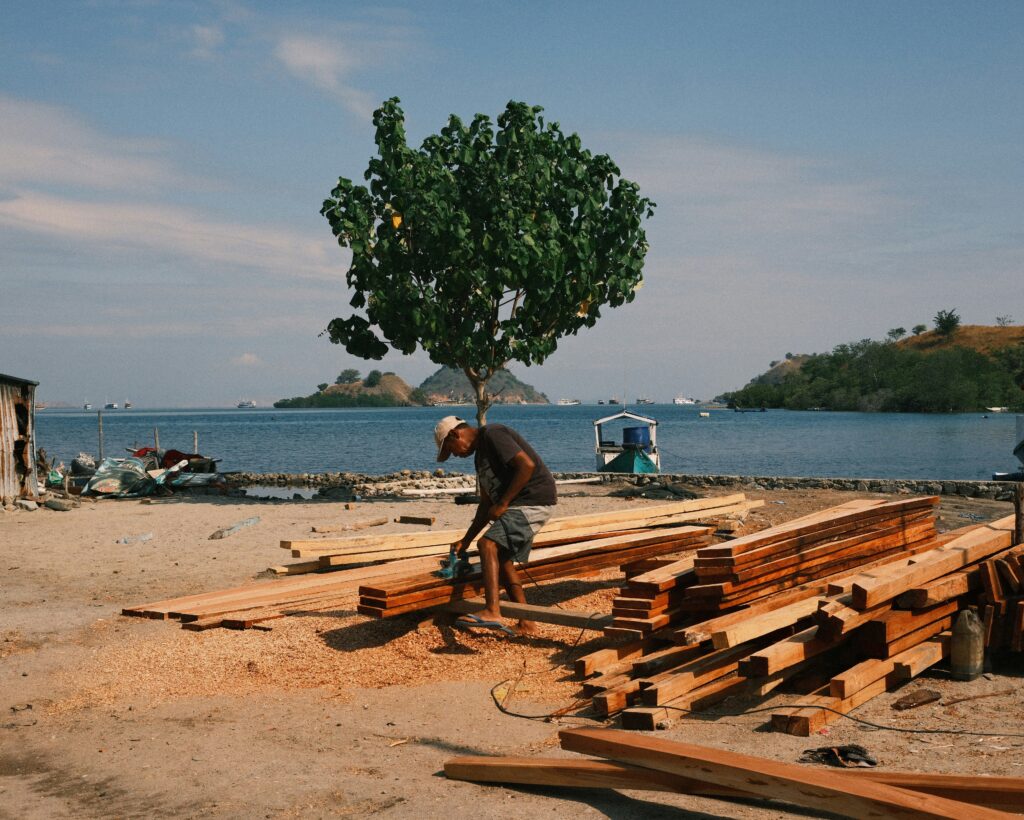
The Indonesian archipelago contains the most culturally layered coastline on the Naora route: Hindu Bali, Muslim Lombok separated from Bali by the twenty-kilometre Wallace Line that marks the boundary between Asian and Australasian wildlife, the indigenous Sasak culture of Lombok’s interior, the animist traditions of the Banda Sea islands that predate the Spice Trade that made the Banda Sea the most contested piece of ocean in the seventeenth-century world, the Portuguese and Dutch colonial architecture of the Banda Neira harbour that the nutmeg trade built and that the Naora boat anchors off.
All of this is accessible from the boat by the dinghy to the dock and the walk to wherever the culture is most itself: the temple, the market, the ceremony that happens when it happens rather than when the tour schedule allows.
The Sailing
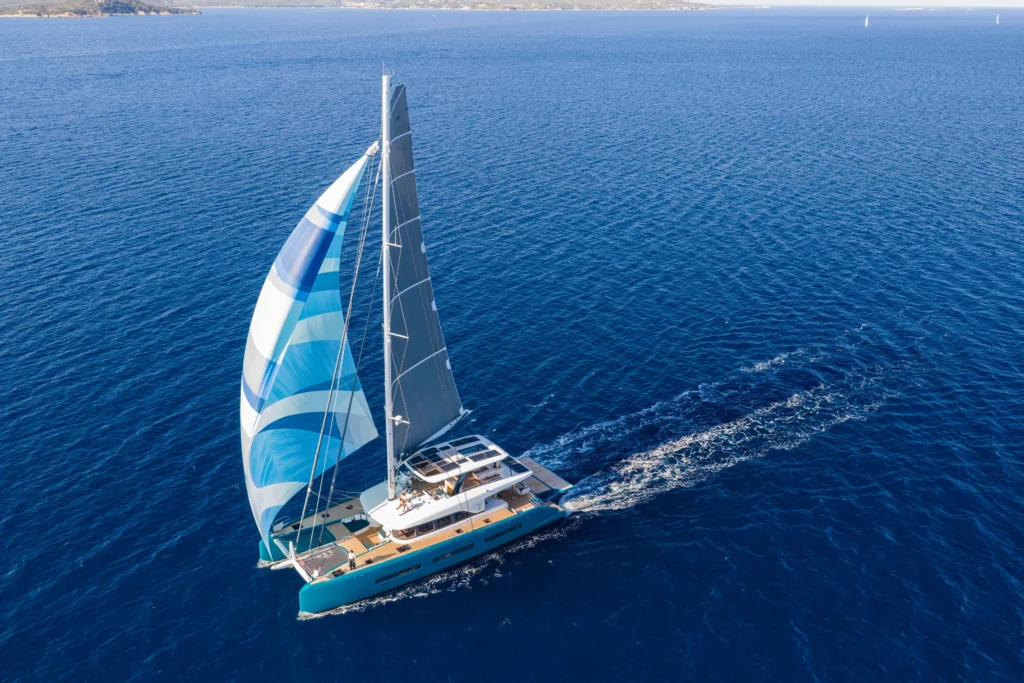
The Indonesian sailing is the most technically demanding on the route after the Pacific passages: the tidal currents in the channels between the islands require the specific passage planning that the Indonesian pilot and the local knowledge combine to produce, the anchorages require the assessment of the specific holding and swell exposure that the general chart does not provide, and the weather system in the archipelago is the complex interaction of the monsoon and the local topography that the large-scale forecast does not fully resolve.
Three months of Indonesian sailing produces the offshore competence that no other single region on the route matches in variety and in the specific demands it makes on the captain and the navigation table. The Naora crew that has sailed Indonesia for three months has been tested in the specific way that the offshore professional life values most: by the real conditions of a complex and rewarding ocean rather than by the controlled conditions of any qualification course.