Every sailor starts somewhere on the boat that is not yet the right place. Not because the starting position is wrong: because the right place is discovered through the experience of the other positions rather than through the knowledge of what the right place is before you have been in it. The mastman becomes the navigator not by deciding to be the navigator but by accumulating the experience that the other positions provide and by arriving at the navigation table through the specific development that the racing life produces in the people who take it seriously enough to keep changing positions until they find the one that fits.
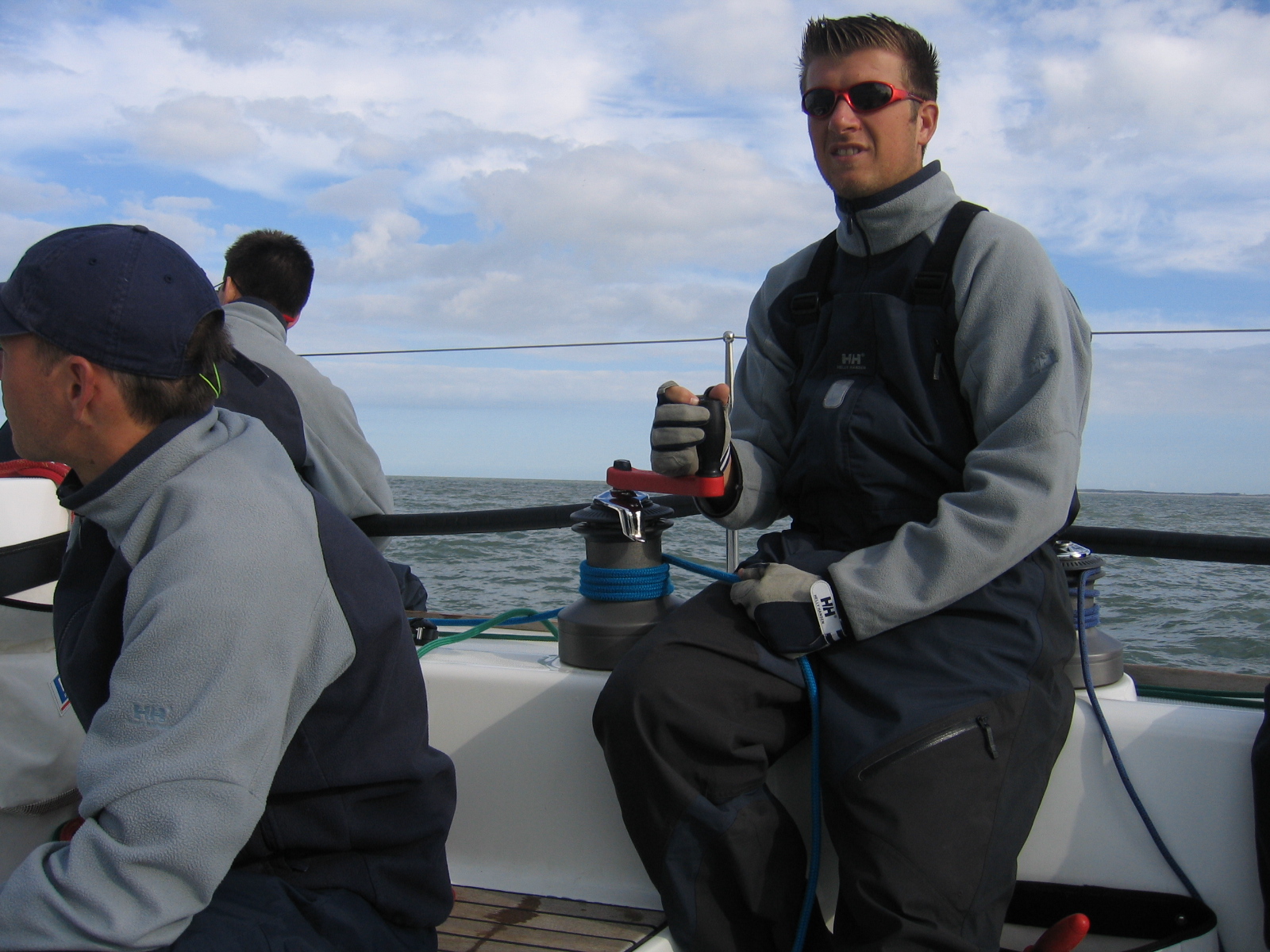
Sven started as mastman. I watched this from the positions I occupied on the same boat and on the boats that raced alongside his, and what I saw in the mastman years was what you always see in the person who is in the right development phase but not yet the right position: complete competence in what the position required and the specific restlessness of someone for whom the competence was insufficient, whose engagement with the race extended beyond the forward section of the boat where the mast work happened and into the tactical and strategic decisions that the position did not give him the standing to influence.
The Navigation Table
The navigation table is the position on the racing boat that requires the most specific combination of technical knowledge and interpretive judgment. The mastman works with physical certainty: the halyard is either up or it is not, the sail is either set correctly or it is not, the physical reality of the forward section of the boat is the physical reality and the mastman’s job is to manage it correctly.
The navigator works with probabilistic information: the weather forecast that may or may not develop as forecast, the tidal stream that the chart describes in terms that the specific conditions of the race day will modify, the layline calculation that is correct on the assumption that the wind holds and wrong on the assumption that it shifts. The navigation table is where the race’s uncertainty is managed rather than where the race’s physical demands are met.
Watching Sven move from the mast to the navigation table was watching someone find the specific form of engagement with the sailing that matched the specific quality of mind they had. The management of uncertainty, the probabilistic thinking, the continuous integration of new information into a developing picture of how the race was unfolding and where the opportunities were: these are the navigator’s primary skills and they are Sven’s primary cognitive mode, visible in every context I have observed him in across twenty-two years of knowing him.
The navigation table was not a career choice. It was the recognition of where he had always been thinking from, made formal by the position it assigned to the person who had been doing the navigation thinking from the mast for years before he sat down at the table.
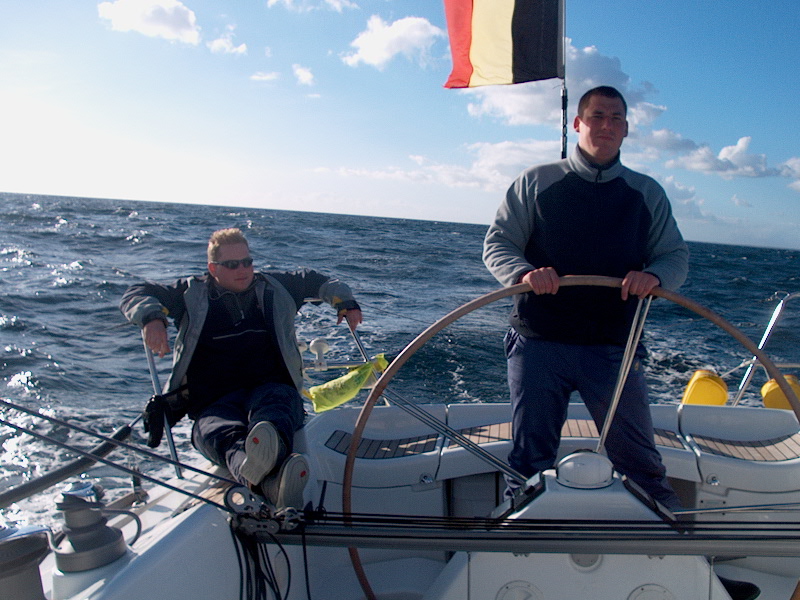
The Pogo and the Solo
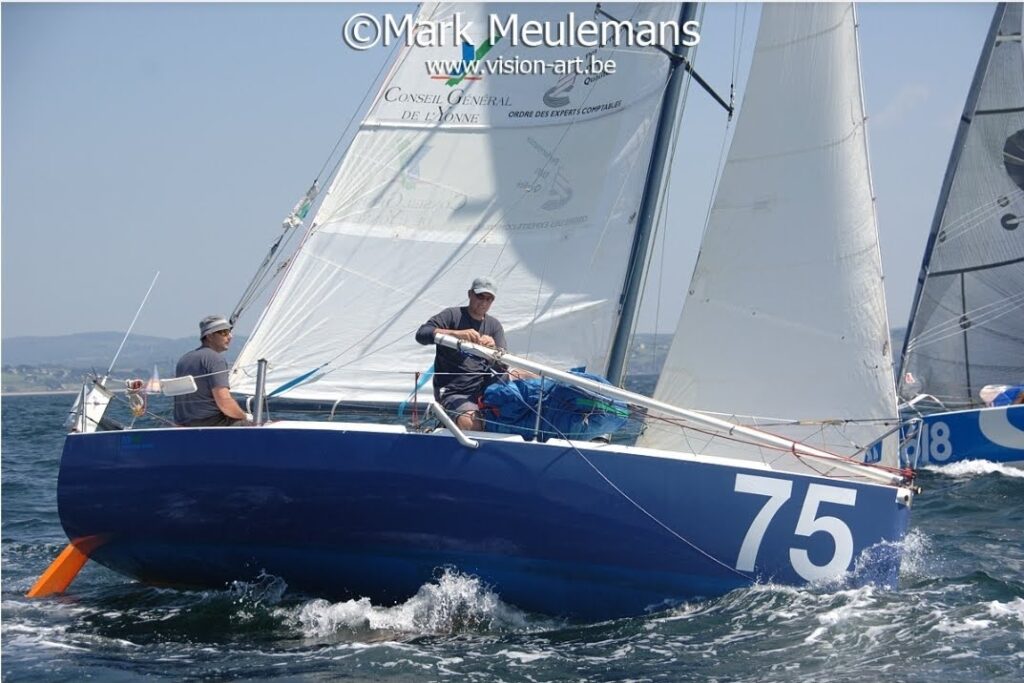
I went toward the Pogo and the solo sailing. Not away from the crew racing that had produced the friendship and the Roompot years and the races with Liesl, but toward the specific form of the sailing life that answered the question I was asking about what the sailing was for in a different way than the crew racing answered it.
The solo sailor’s answer to that question is the most direct answer available: the boat and the ocean and the sailor, no hierarchy to navigate, no crew dynamic to manage, no wind call that needs to be checked with the skipper before it becomes the heading. The solo Pogo is the sailing life at its most unmediated, and the specific quality of the solo passage, the complete responsibility and the complete freedom that the same fact produces, is the quality that the crew racing, which I loved, could not provide in the same form.
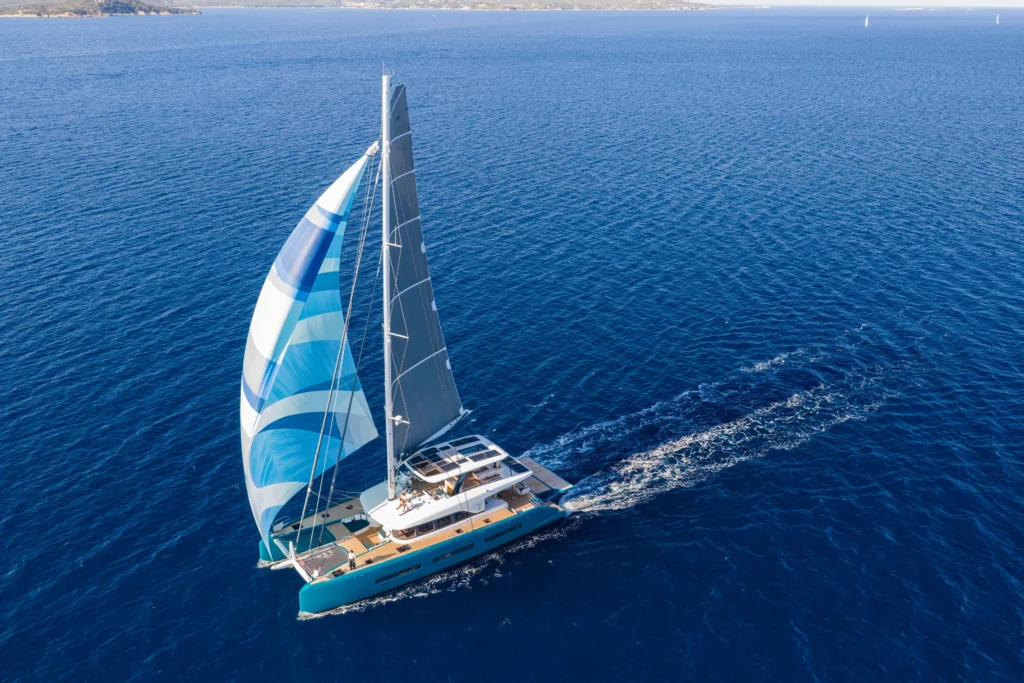
Sven went toward the offshore passage with a crew and a community. The same starting point, the same racing background, the same years at the Roompot dock and the same post-race conversations about wind shifts and tactical decisions: two people who arrived at different expressions of what the sailing life should be, in ways that illuminate each other’s choice rather than contradicting it. The solo sailing and the community passage are not opposites.
They are two different answers to the question of how the sailor’s relationship with the sea is most completely expressed, and the person who has spent twenty-two years watching both choices from the starting position that produced them can see what each one reveals about the person who made it.