The Coral Triangle contains the highest marine biodiversity on the planet. The reef systems of the Indonesian archipelago, from the Banda Sea through Komodo to Bali and the Lesser Sunda Islands, have been accumulating their specific complexity across millennia of the thermal and current conditions that the convergence of the Pacific and Indian Ocean water masses produces. The person who sees this reef from the surface of the water, from the dinghy or the deck of the boat, sees a version of it.
The person who sees it from within the water, from the freediver’s specific vantage point of the breath-hold descent through the first five metres of the water column, sees a different and more complete version. This guide is for the person who has never freedived and who wants to understand what the Naora diving programme makes available to them in the world’s finest freediving waters.
What Freediving Is and Is Not
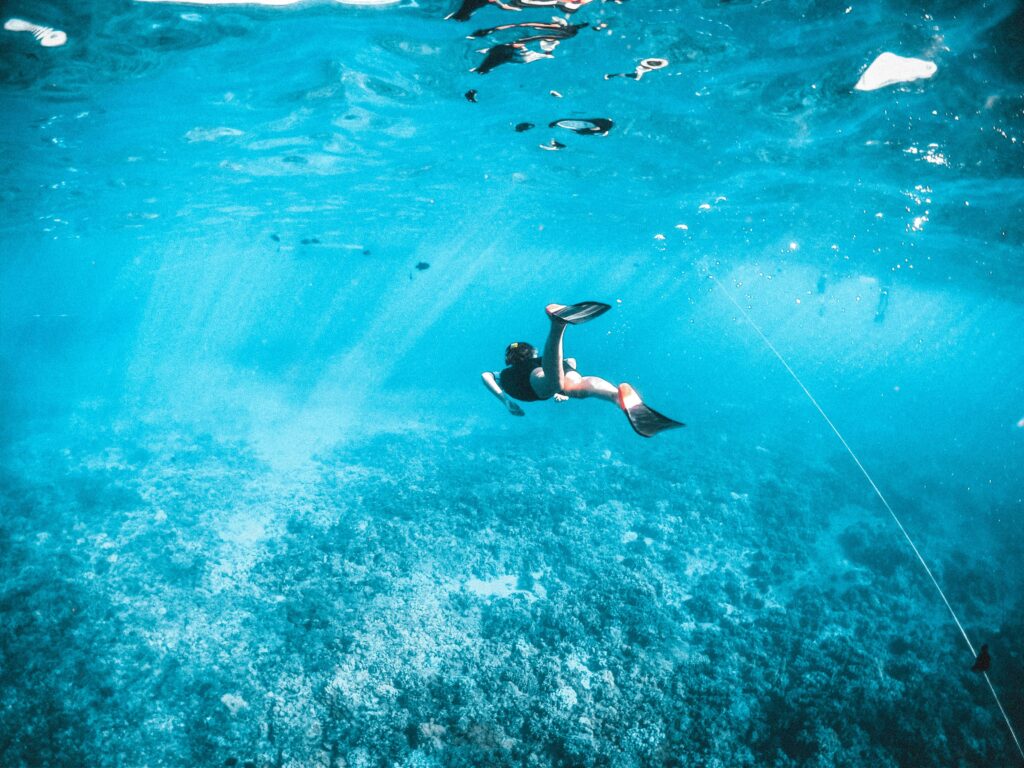
Freediving is breath-hold diving: the diver descends on a single breath and returns to the surface before the breath is exhausted. It is not scuba diving, which provides continuous breathing capability through the regulator and the tank, and it is not snorkelling, which provides the surface view without the descent into the water column. Freediving is the specific middle ground: the breath-hold descent that takes the diver into the reef rather than above it, without the equipment and the buoyancy complexity of the scuba system and without the surface restriction of the snorkel.
The first freedive of a person who has not done it before typically reaches three to five metres and lasts thirty to forty-five seconds. This is not the freediving of the competitive athlete or the Bajau sea nomad who descends to twenty metres on a single breath. It is the freediving of the curious human discovering what the water column between the surface and the reef contains, and three to five metres in the Coral Triangle contains more than twenty metres in most other ocean systems in the world. The depth is not the point. The access is.
What the Naora Diving Programme Provides
The programme for first-time freedivers begins in the lagoon: the protected anchorage water that is calm enough for the breath control work that the first sessions require, at depths that build from two metres to five metres across the first two or three sessions, in conditions that allow the first-timer to focus on the breath and the equalisation rather than on managing the current and the water temperature simultaneously.
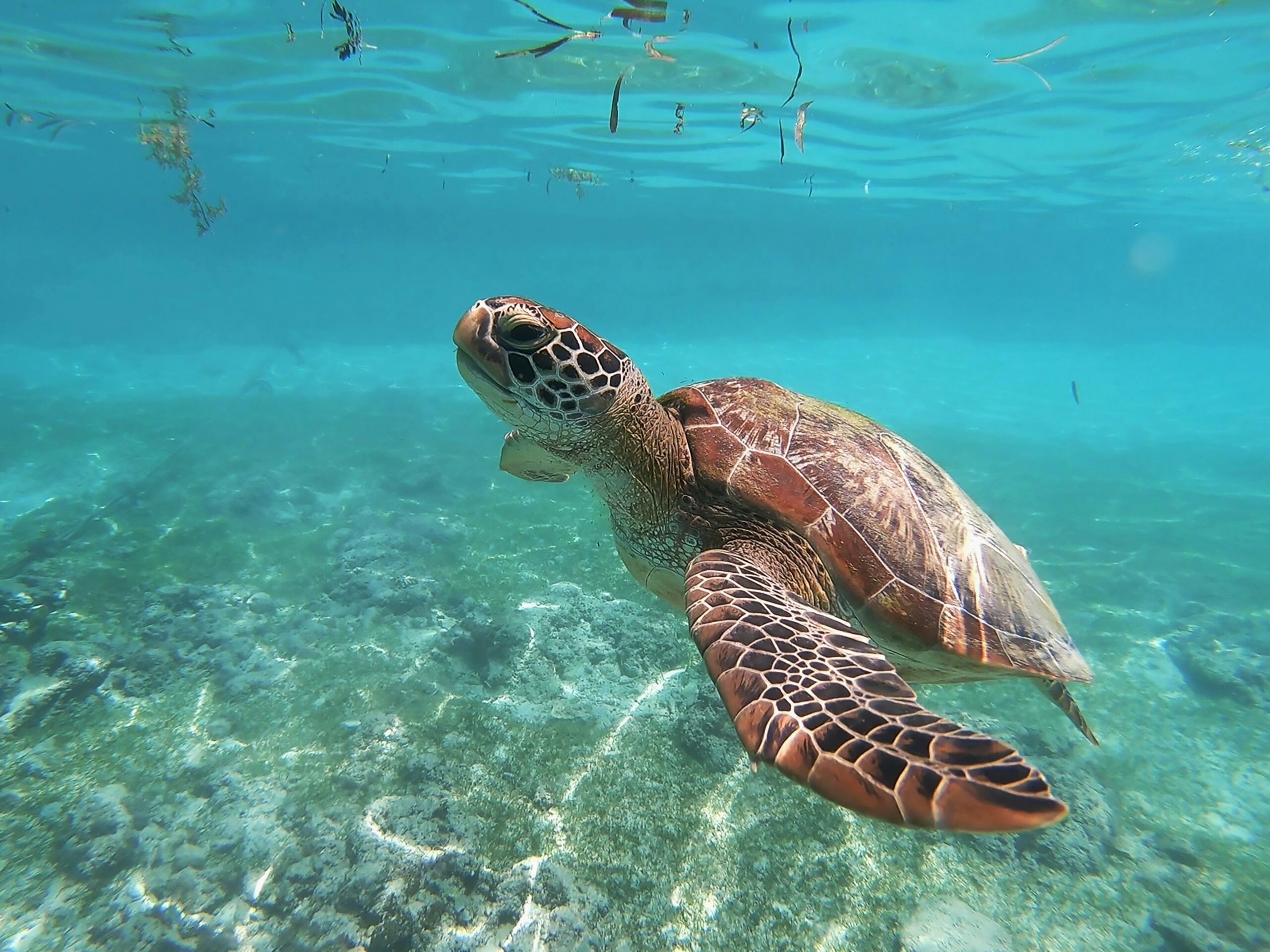
The progression from the lagoon to the outer reef happens when the equalisation is comfortable and the breath-hold is consistent. In the Coral Triangle, the outer reef is accessible from the Naora anchorage by dinghy in most of the Indonesian archipelago’s locations, and the outer reef in the Banda Sea or the Komodo channels or the Bali coast sites produces the specific encounter with the marine life that the lagoon’s shallower and more sheltered environment does not: the Napoleon wrasse at ten metres, the sea turtles at the cleaning stations, the specific school behaviour of the reef fish when the freediver descends through it rather than approaching it from the surface.
The One Thing That Changes Everything
The one thing that changes everything in the first freedive is the exhale. Not the breath-hold itself, which most first-timers approach with the anxiety of someone trying to hold their breath as long as possible, which is the wrong approach and produces the wrong outcome.
The exhale: the specific, deliberate, complete release of the air in the lungs before the descent, which reduces buoyancy, which makes the descent effortless rather than effortful, which removes the primary physical struggle that the first-timer expects to define the experience and allows the experience to be what it actually is: effortless movement through the water column toward the reef that the surface had been showing them and that the descent finally delivers them into.
I have taught this to members who had never put their face in the ocean before boarding the Naora voyage and who were, by the end of the first week in the Indonesian archipelago, freediving to eight metres in the Banda Sea with the specific quality of ease that the exhale produces.
The Coral Triangle is the finest place on the planet to learn freediving because the water is warm enough to remove the thermal challenge from the equation, the reef is close enough to the surface to make the destination visible from the first metre of descent, and the marine life density is high enough that the reward for the descent is available within the first five metres even in the first session. The conditions conspire to make the first freedive the best possible introduction to what the freedive is. I will be in the water alongside every member who wants to try it.