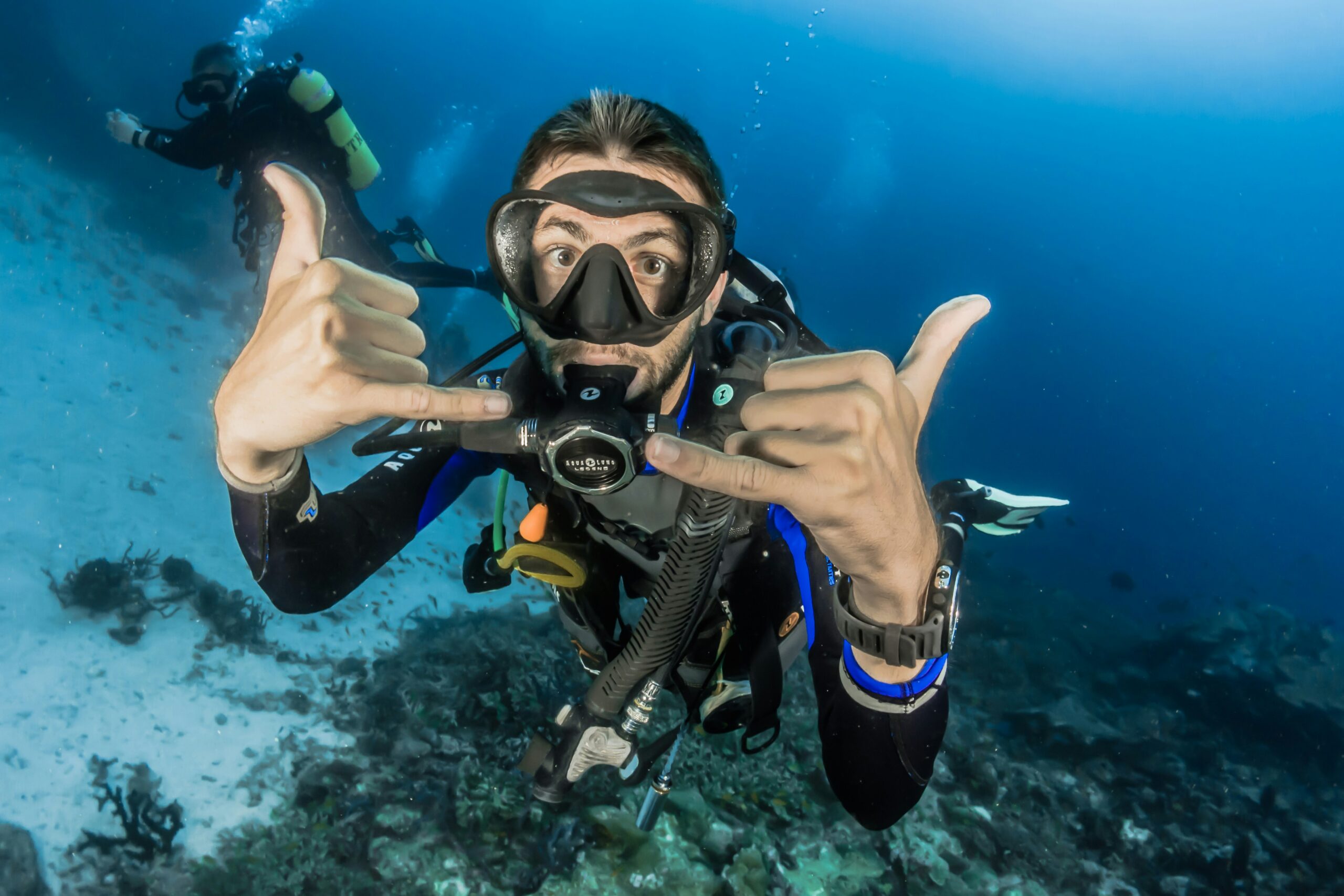
The Komodo channels run between the islands of the Komodo National Park with the specific tidal exchange between the Indian Ocean and the Flores Sea that produces the six-knot current that the dive briefing measures and the experienced diver reads as the current that will do the work of moving them through the site rather than the current that needs to be fought against.
The distinction between these two experiences of the same six-knot flow is the distinction between the diver who understands drift diving and the diver who has not done it before, and the briefing that I run before the Komodo channel dives is the briefing that closes that gap before anyone enters the water.
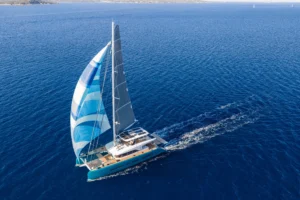
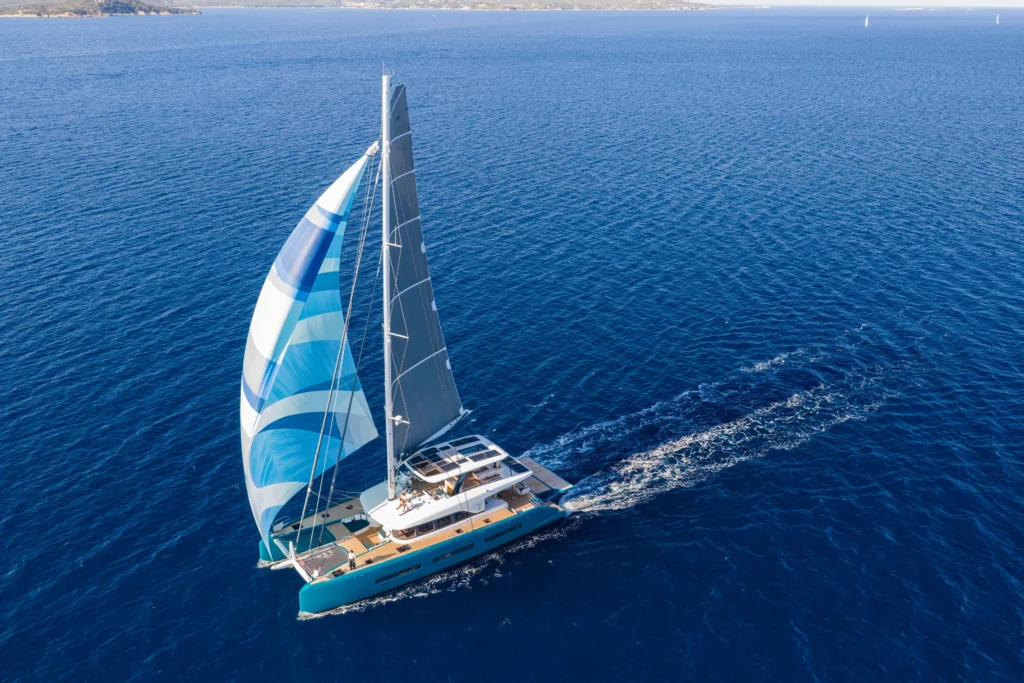
We do not anchor in the Komodo channels. The anchorage for the Komodo diving is the specific bay that the Naora route uses on the protected side of the island from which the current dive sites are accessible by dinghy: the Eighty2 at anchor in flat water, the dinghy deployed with the surface support crew, the divers taken from the anchorage to the channel entry point by the dinghy and collected at the channel exit point where the drift delivers them twenty to thirty minutes later.
This is the standard drift dive logistics that the Komodo liveaboard fleet uses, adapted for the Naora boat’s specific anchor position. The water is always with us: a litre bottle per diver in the dinghy, oxygen in the first aid kit, VHF in the pocket of the surface support crew member who drives the collection.
What the Current Produces
The current concentrates the marine life at the channel edges: the reef fish that the nutrient-rich water the current carries supports in the density that the still-water reef cannot produce, the pelagic species that the current’s upwelling brings from the deep to the shallow where the diver can encounter them. The manta rays at the cleaning stations that the current identifies and marks by the specific circular behaviour of the mantas queueing above them.
The schooling jacks and the fusiliers in the column that the current keeps suspended at the mid-water depth where the visibility allows the column to be seen from the bottom to the top. The Napoleon wrasse that moves against the current with the specific ease of a fish that has spent its life in these channels and for whom the six knots is the background condition of the environment rather than the exceptional event. The white-tip reef sharks resting on the bottom behind the coral outcrops that the current’s energy cannot penetrate: resting because the current does the oxygenation work that the swimming does for the shark in still water.
The drift dive is thirty minutes of being carried through one of the finest dive sites on the Naora route by the tidal exchange between two oceans. Nothing is required from the diver except the neutrality of the buoyancy and the presence of the attention. The current does the rest.