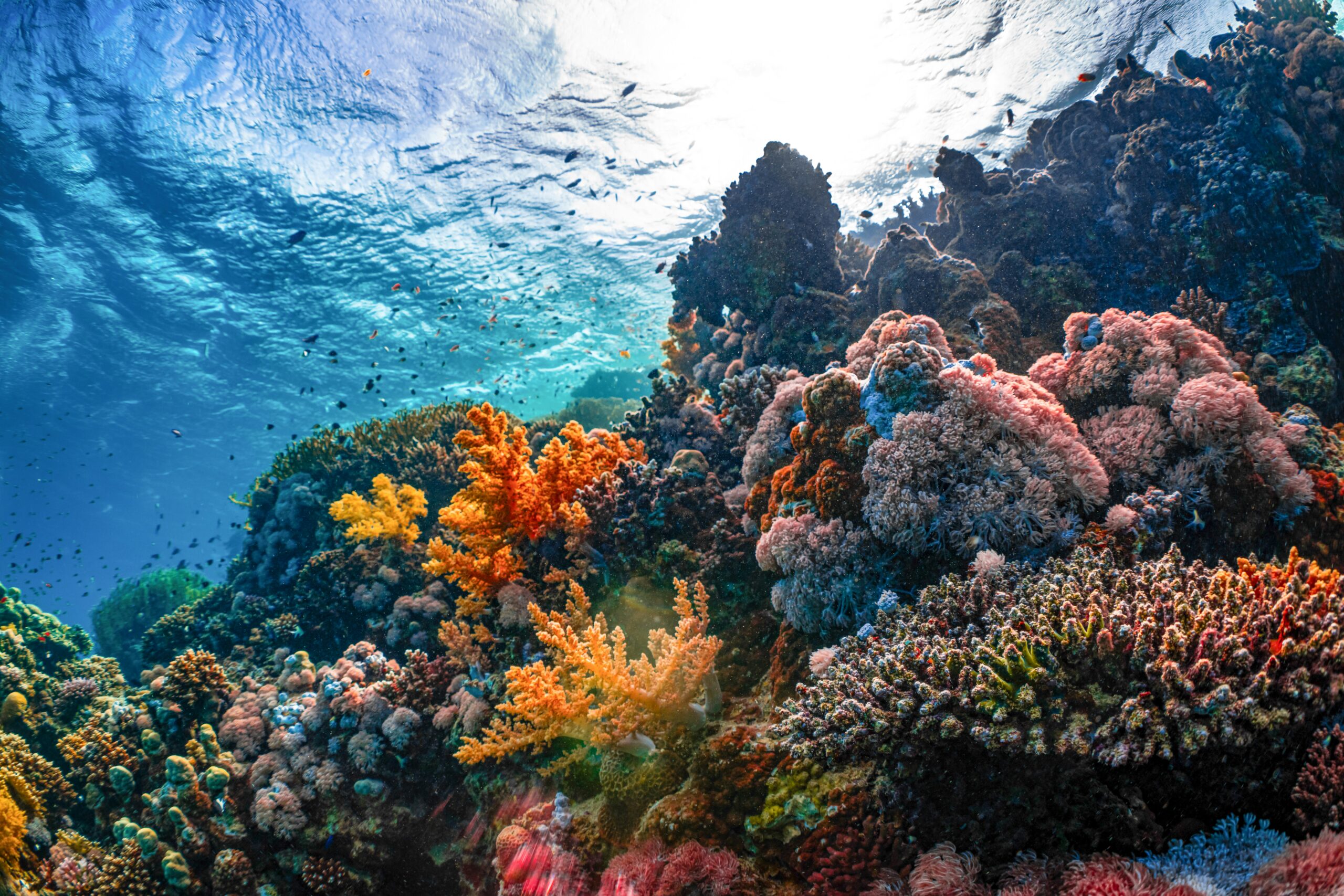
Coral is an animal. Not a plant, not a rock, not the mineral structure that the snorkeller holds onto to steady themselves in the surge: the coral is the living organism that the calcium carbonate skeleton both contains and produces, and the surface of the coral that appears to be the rock is the living tissue of the polyp colony that has been secreting that rock at the rate of one centimetre per year for the years or decades or centuries that the colony has been building.
The coral head in the Banda Sea reef that stands three metres above the surrounding substrate was growing when the VOC was buying nutmeg in the bay above it. One fin strike removes the living tissue from the surface of the structure that the three hundred years of the polyp’s annual centimetre produced. The tissue does not regrow in the timeframe that matters to the reef’s function.
The coral polyp is a tiny animal — most species between one and three millimetres in diameter — that lives in a colony with thousands or millions of genetically identical siblings, each secreting the calcium carbonate cup that the skeleton is built from and hosting the zooxanthellae, the single-celled algae that live in the polyp’s tissue in the symbiosis that provides the polyp with the majority of its energy through photosynthesis.
The zooxanthellae are what give the coral its colour: the bleaching event that the rising sea temperature produces is the event in which the thermal stress causes the polyp to expel the zooxanthellae from its tissue, turning the coral white and removing the energy source that the polyp requires to survive. The bleached coral is not dead: it is the coral whose symbiotic algae have been expelled and whose survival depends on whether the temperature stress that caused the expulsion passes quickly enough for the zooxanthellae to return before the polyp starves.
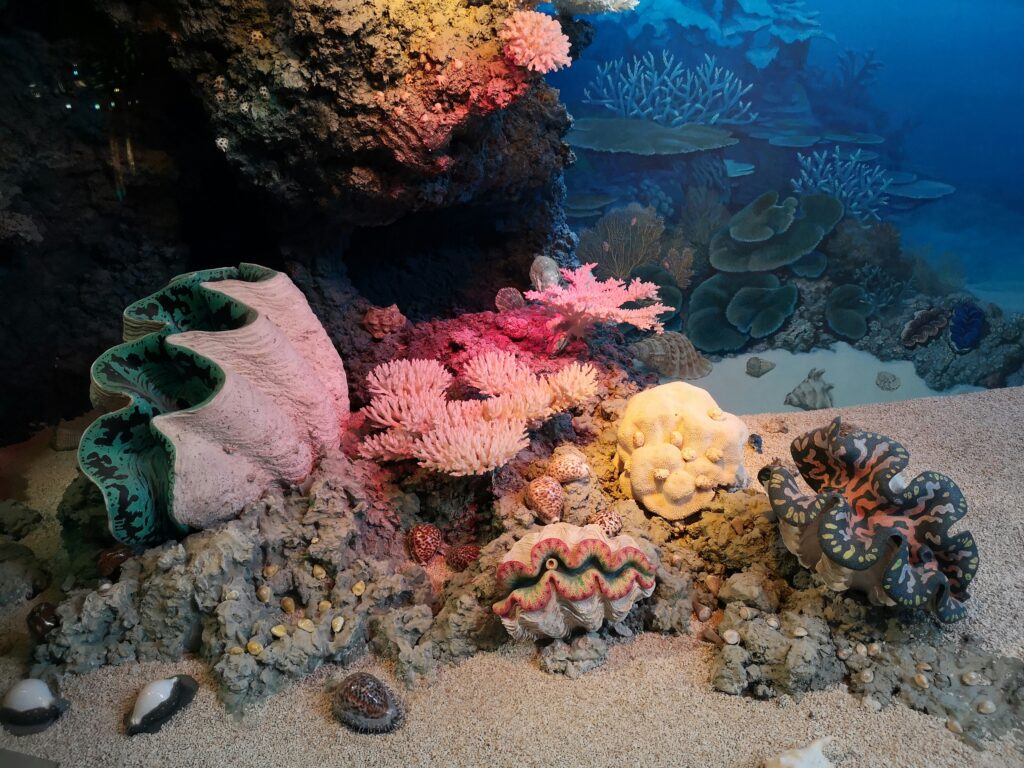
The Naora No-Touch Rule and Why It Is Absolute
The Naora diving programme has one rule that is absolute and that admits no exception: do not touch the coral. Not the dead coral, which is already dead but whose surface is the substrate for the new coral recruitment that the reef’s recovery depends on. Not the rock-looking structure that might be coral and might not be but that the diver who is not certain cannot distinguish from the coral that it will remove the living tissue from with the same careless touch.
Not the coral that is holding the diver in position while they take the photograph that the coral’s proximity makes possible. Buoyancy control is the skill that the touching replaces when the buoyancy control is insufficient to keep the diver off the substrate without the anchor of the hand. The Naora diving programme works on buoyancy control before it works on anything else.
The coral remains the thing that the no-touch rule keeps it: the living structure that the three hundred years of the polyp’s annual centimetre produced and that the diver’s fin strike removes in the second that the carelessness allows.
The reef that the Naora boat anchors above is not the backdrop to the diving programme. It is the reason the diving programme is where it is. We anchor in the sand. We dive in the water. We do not touch what we came to see. This is the simplest and the most important form of the respect that the offshore life requires from the people who live it.